Ejar platform decisions: Prohibiting the rental of property in Riyadh after vacating the premises

Details of the Ejar platform's decision to ban the re-renting of properties in Riyadh
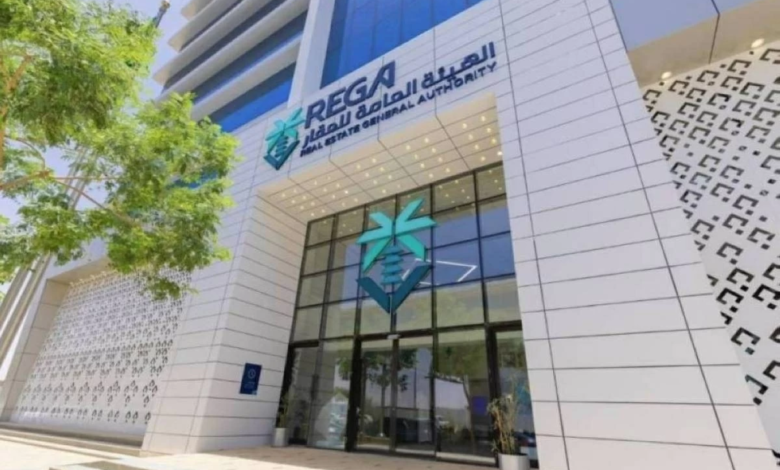
In a move aimed at regulating the real estate market and protecting the rights of all parties, the General Authority for Real Estate, represented by the "Ejar" platform, issued a decisive regulatory decision concerning owners of residential properties in the Saudi capital, Riyadh. The decision prohibits owners from subletting their residential properties for a period of 365 days (one full year) if the property has been vacated by the tenant at the owner's request, citing personal use or the use of a first-degree relative.
The authority approved a formal freeze on renting residential units through the system during this period. According to the new regulations, if the owner wishes to reclaim their residential unit for themselves or a first-degree relative, they are obligated to notify the tenant of their intention not to renew the contract at least 365 days before its expiry. If the remaining term of the lease is less than one year, the contract will be automatically extended by the system to allow the tenant to complete the full 365 days, starting from the date the notification is sent.
This legal notice period is granted to the tenant to give them sufficient time to find suitable alternative accommodation without the pressure of sudden eviction. After the notice period expires and the property is vacated, a new 365-day freeze period begins, during which the landlord is strictly prohibited from offering the property for rent again.
The CEO of the General Authority for Real Estate, Engineer Abdullah Al-Hammad, had previously approved raising the notice period for the landlord to the tenant of not wanting to renew standard residential lease contracts to a full year before the end of the contract, exclusively in the case of eviction for the purpose of personal use of properties located within the city of Riyadh.
General context and historical background of rental regulation
This decision comes amidst the radical transformations taking place in the housing and real estate sector in the Kingdom of Saudi Arabia. Since the launch of Saudi Vision 2030, the government has sought to restructure the real estate sector to be more transparent and reliable. The Ejar electronic network was launched as one of the most important national initiatives to regulate the contractual relationship between landlords, tenants, and real estate brokers, significantly contributing to reducing litigation in courts and preserving the rights of all parties through standardized electronic contracts that are legally binding.
The importance of the event and its expected impact on the real estate market
Local impact in Riyadh
The capital city of Riyadh is experiencing rapid demographic and economic growth, particularly with the relocation of numerous regional headquarters of international companies. This has led to a significant increase in demand for residential properties and a rise in rental values. In this context, the Ejar platform's decision is of paramount importance; it prevents some landlords from exploiting loopholes related to personal use to evict tenants and then re-rent the property at higher prices to capitalize on current market fluctuations. This regulation provides social and psychological stability for families residing in Riyadh, protecting them from sudden price volatility and arbitrary evictions.
Regional and international impact
At the regional level, this decision reinforces the Kingdom's position as an attractive and stable environment for talent and investors. The existence of robust legislation protecting tenants' rights reflects the maturity of the Saudi real estate market and aligns it with international best practices and standards in property management. Such regulations also increase foreign investors' confidence in the stability of laws and regulations, supporting macroeconomic objectives and contributing to sustainable urban development.