Falcons on Founding Day: A symbol of pride and an embodiment of national identity

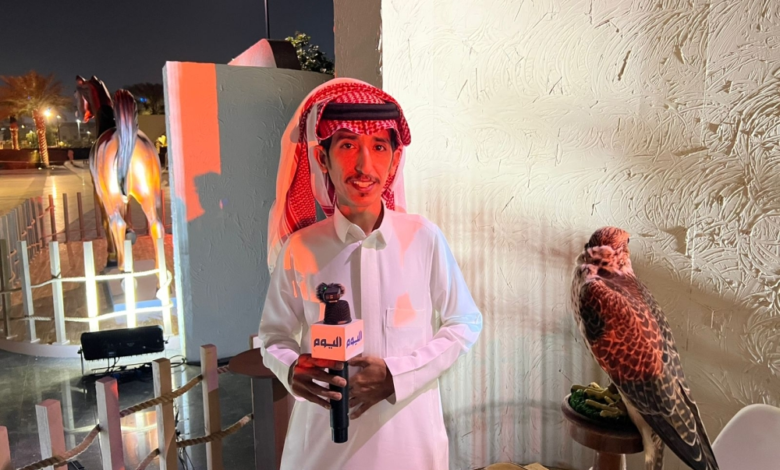
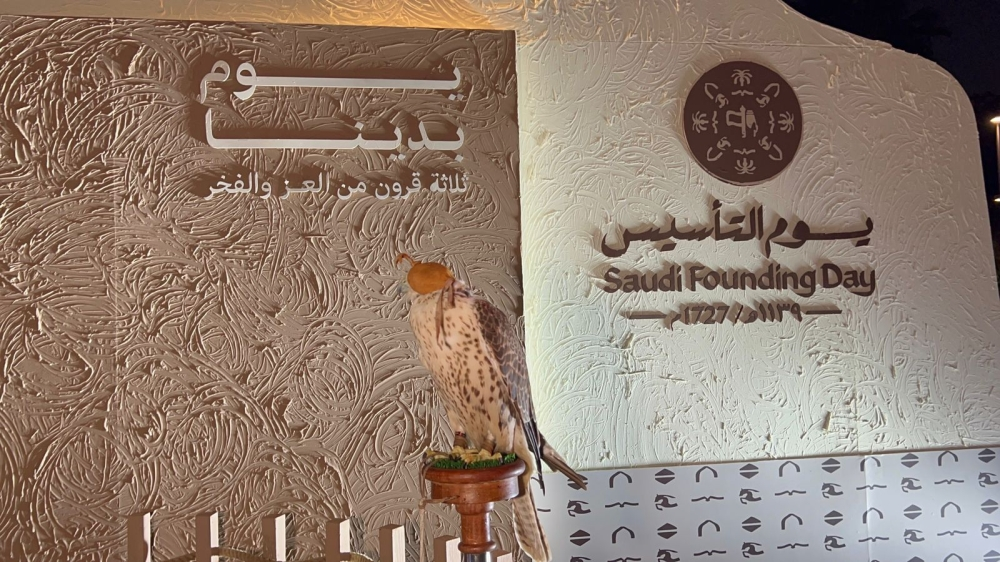
Founding Day in Jeddah witnessed of Saudi heritage , as the falcon has been inextricably linked to the lives of Arabs, both settled and nomadic, forming a unique duality of loyalty and strength.
The historical roots of falconry in the Arabian Peninsula
Falconry, or "falconry" as it is known, is a global human heritage registered on UNESCO's list of intangible cultural heritage, and it has deep historical roots in the Kingdom of Saudi Arabia. Before it became a sport or hobby, falcons were an essential means of survival for our ancestors, helping them secure food in a harsh desert environment. This fostered values of patience, endurance, and intelligence in the Arab falconer. Celebrating falconry on the Kingdom's founding day serves to remind us of that era, emphasizing that the Saudi state, since its inception, has given great importance to the components of the local environment and their adaptation to serve humanity.
Al-Suqoor: A school of values and traditions
In the context of the events, falconer Abdullah Al-Otaibi to Al-Youm newspaper that the participation of falcons in the Founding Day celebrations represents a genuine evocation of a heritage deeply rooted in the Saudi consciousness. Al-Otaibi emphasized that falconry transcends being merely a hunting method, becoming a complete "way of life," inherited by sons from their fathers and grandfathers. He added, "In our culture, the falcon is not just a bird of prey, but a symbol of pride, dignity, and freedom. Its presence today reflects self-esteem and a deep respect for the national identity that has shaped the character of the Saudi state."
Types of falcons and their symbolism in heritage
Al-Otaibi reviewed the most prominent types of falcons that abound in the Kingdom and are famous in the Arabian hunting environment, noting that the events included a display of distinctive types such as:
- The peregrine falcon: known for its exceptional speed and amazing dive.
- The free man: who is distinguished by his strength, endurance, and long patience.
- The lanner: a favorite among many due to its ease of training and handling.
He pointed out that these species have enjoyed a special status throughout history, as the skills of taming and dealing with them have been passed down from generation to generation, becoming an integral part of the social and cultural fabric of both Bedouin and urban people.
A bridge connecting the past and the future
Al-Otaibi noted that the live falconry displays and exhibitions featured during the Founding Day celebrations reflect a growing public awareness of the importance of preserving this heritage. He emphasized that presenting this heritage in a modern way helps introduce new generations to their history and connects them to the values of their ancestors, thus strengthening national identity.
He added that interest in falcons today has moved from traditional individual practice to an integrated institutional work system, thanks to the great support given by the wise leadership to this sector, through the establishment of falcon clubs and the organization of international festivals, which ensures the sustainability of this cultural heritage and protects it from extinction.
Cultural and economic dimensions
The impact of falconry extends beyond its heritage, encompassing cultural, economic, and tourism dimensions, as the Kingdom has become a global destination for falconers and those interested in this field. The integration of these events into the Kingdom's National Day celebrations underscores to the world that Saudi Arabia, as it embarks on its ambitious journey toward the future, remains firmly rooted in its heritage and cherishes its historical symbols that have accompanied its unification and development.