Family stability during Ramadan: Tips for self-control and resolving disputes

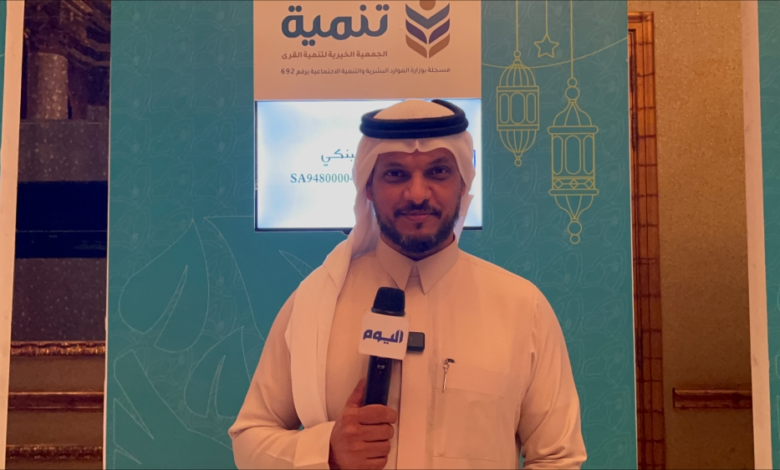
With the arrival of the holy month of Ramadan, hopes are renewed for strengthening family bonds and resolving disputes, as this blessed month is considered an important annual opportunity for psychological and social reflection. In this context, family counselor Dr. Emad Al-Farsi emphasized that Ramadan represents an invaluable opportunity to restructure family relationships, resolve accumulated conflicts, and reinforce the values of tolerance and forgiveness encouraged by Islam.
Psychological and physiological challenges during fasting
From a scientific and practical standpoint, fasting imposes physiological changes on the human body due to abstaining from food and drink for extended periods. This can lead to a drop in blood sugar levels or altered sleep patterns in some individuals. These factors can increase stress and irritability, making self-control even more crucial. Dr. Al-Farsi emphasizes that the essential advice for the community during this month is to strive earnestly for reconciliation and to avoid daily conflicts, stressing that true fasting is abstaining from harming others and controlling one's emotions.
Prophetic guidance and practical steps for managing anger
The family counselor cited the noble Prophetic guidance on anger management, recalling the Prophet's saying (peace and blessings be upon him): "The strong person is not the one who overpowers others, but the strong person is the one who controls himself when angry." To translate this guidance into practical action, he advised following simple and effective behavioral strategies when feeling stressed, such as seeking refuge from Satan, counting down calmly to distract oneself from the source of anger, taking deep breaths to regulate one's heartbeat, or temporarily leaving the situation until one calms down—steps that have proven effective in behavioral psychology.
Emotional support and role distribution within the family
Regarding marital relations, Al-Farsi emphasized the importance of husbands being considerate of their wives' circumstances, especially in the hours leading up to Iftar (the breaking of the fast). He explained that wives are often under significant physical and emotional strain due to the demands of cooking and preparing the meal. He added that kind words, moral support, and simple appreciation for their efforts can work wonders in alleviating this tension and creating a warm, positive atmosphere.
He also touched on the concept of “role theory” in sociology, explaining that family stability depends largely on each individual fulfilling their responsibilities; the husband’s commitment to his duties and the wife’s attention to her roles create a harmonious system that reduces the chances of friction and conflict.
The family is the nucleus of society
Dr. Emad Al-Farsi concluded his remarks by emphasizing that the family is the primary and fundamental building block of a healthy society. Understanding and tolerance within the home not only benefit individuals but also contribute to overall societal stability. He urged everyone to utilize the blessed days of Ramadan to cultivate stronger, more loving, and stable family relationships.