
Escalating tensions: Israeli warnings and unprecedented US threats against Iran
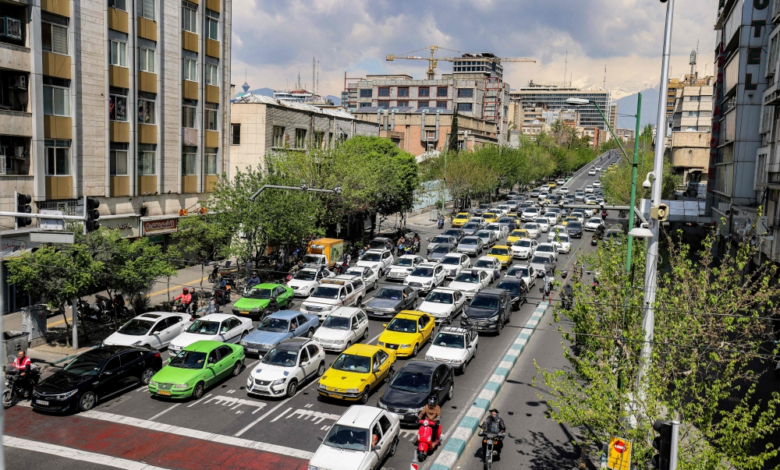
In a striking development reflecting the escalating tensions in the Middle East, the Israeli military issued an urgent warning to Iranian citizens to avoid using train networks and public transportation until Tuesday evening. This Israeli warning coincides with strongly worded statements by US President Donald Trump, who threatened devastating military strikes targeting civilian and vital infrastructure in the Islamic Republic of Iran, raising the specter of a dangerous escalation that could drag the entire region into open conflict.
Details of US threats to destroy Iranian infrastructure
US President Donald Trump continued to escalate his hostile rhetoric toward Tehran, threatening to destroy vital bridges and power plants in Iran within four hours unless a political agreement satisfactory to the US administration is reached. Trump clearly indicated that the recently proposed truce does not meet US expectations and is not sufficient.
In a resolute statement on Monday, the US president revealed the existence of military plans ready for implementation, saying: “We have a solid plan, thanks to the striking power of our armed forces, to destroy all of Iran’s bridges by midnight tomorrow and to render all of Iran’s power plants completely inoperable, ensuring they can never be used or repaired again.” These statements reflect the maximum pressure strategy adopted by the US administration to force Tehran to make substantial concessions on its nuclear and ballistic missile programs.
The historical context of shadow warfare and maximum pressure
These developments come within a complex historical context characterized by what is known as the “shadow war” between Israel and Iran, which over the past years has included reciprocal cyberattacks targeting infrastructure, including ports, railway networks, and nuclear facilities. Furthermore, since the United States withdrew from the Iran nuclear deal in 2018, Washington has imposed crippling economic sanctions on Tehran, accompanied by persistent threats of military action to protect American interests and those of its allies in the region.
Expected regional and international repercussions
These dual threats, from Israel and the United States, carry serious repercussions at both the regional and international levels. Domestically in Iran, such warnings are causing anxiety among civilians and directly impacting the stability of daily life and the already struggling domestic economy. Regionally, any military strike against Iranian infrastructure could trigger retaliatory attacks by Tehran or its allied factions in the region, threatening the security of navigation in the Strait of Hormuz, through which a significant portion of the world's oil supply passes.
Internationally, these threats present the international community with a significant challenge to prevent a slide into all-out war. These developments are prompting global powers to intensify their diplomatic efforts to contain the crisis, amid warnings that the destruction of civilian infrastructure could lead to a humanitarian and economic catastrophe extending beyond the Middle East, impacting the stability of energy markets and the global economy as a whole.