Federal Reserve: Closing the Strait of Hormuz threatens global economic growth

Introduction: Federal Reserve warnings of a global energy crisis
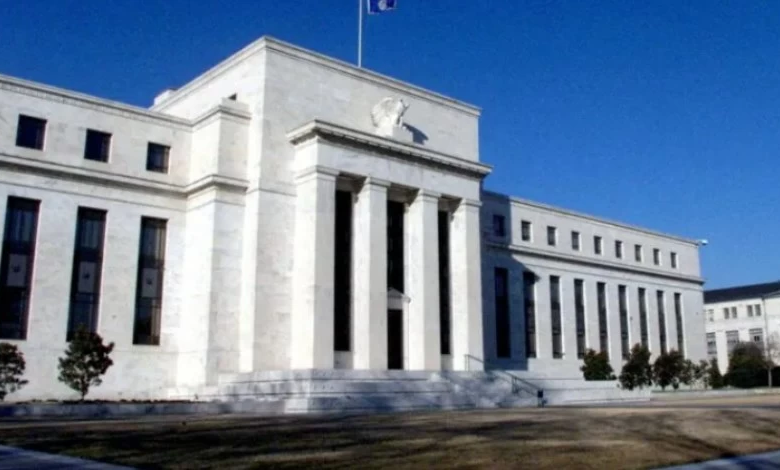
The Federal Reserve Bank of Dallas issued a stark warning about the potentially catastrophic consequences for the global economy should oil shipments through the strategic Strait of Hormuz be halted. The report stated that a continued closure of this vital waterway until June, as a result of any military escalation or potential war involving Iran, would inevitably reduce global economic growth by 2.9 percentage points year-on-year in the second quarter of this year.
Historical context and strategic importance of the Strait of Hormuz
The Strait of Hormuz, which connects the Persian Gulf, the Gulf of Oman, and the Arabian Sea, is one of the world's most important and sensitive waterways. Historically, the strait has been a flashpoint for geopolitical tensions, from the Tanker War of the 1980s to contemporary conflicts. Its paramount importance lies in its role as a major energy artery, with approximately one-fifth of the world's oil supply passing through it. Any actual closure of the strait due to armed conflict would send energy markets into a state of panic, a fact already reflected in estimates suggesting that West Texas Intermediate crude oil prices could surpass $97 per barrel once a crisis erupts.
Possible economic scenarios for the lockdown
Researchers at the Federal Reserve's regional bank conducted detailed economic models to measure the potential impact of closing this waterway to shipping for varying periods. The data indicates that if the strait were to reopen after one quarter, oil prices are expected to decline and stabilize at $68 per barrel between July and September, while GDP growth is projected to recover by 2.2 percentage points.
However, if the shutdown extends for two consecutive quarters, the repercussions will be far more severe; oil prices could surge to $115 in the third quarter before settling back to around $76 during the final three months of the year. In the most pessimistic scenario, assuming the shutdown lasts for three quarters, researchers warn that oil prices could soar to record highs of $132 per barrel by year-end.
Expected impacts at the local and international levels
Internationally, this dramatic rise in energy prices will trigger a new wave of inflation affecting both major and emerging economies, complicating central banks' efforts to control inflation. Regionally, while some countries may experience a temporary increase in oil revenues, disruptions to supply chains and security risks will pose a significant challenge to regional stability.
Domestically in the United States, economists are closely monitoring the impact of rising gasoline, diesel, and other petroleum product prices on inflation and consumer demand. The surge in gasoline prices has already begun to curtail spending in other vital sectors, as consumers are forced to find ways to cope with high fuel costs, including reducing travel and waiting in line at gas stations to save a few cents. Adding to this troubling situation, the average price of a gallon of diesel in the US has surpassed $5, a milestone reached only twice in history. This price hike has a direct and serious impact on overall economic activity, given that most industries and the transportation and shipping sectors rely almost entirely on diesel fuel.