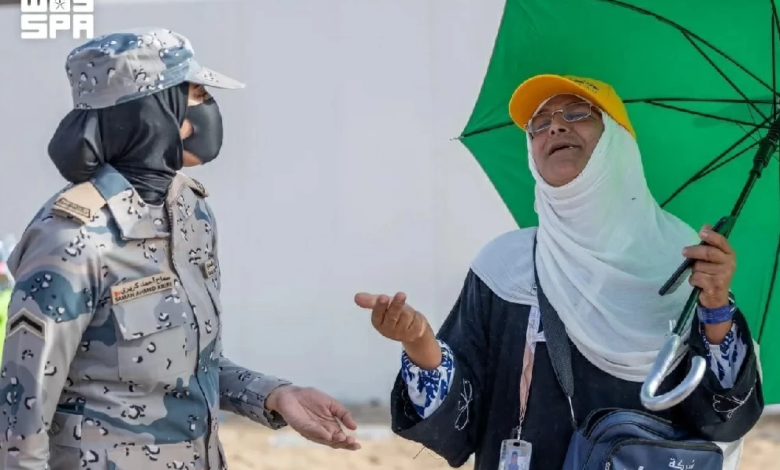

تتواصل الجهود المبذولة لضمان راحة وسلامة ضيوف الرحمن في المشاعر المقدسة، وفي إطار هذه الجهود، تشارك منسوبات المديرية العامة لحرس الحدود بفعالية في موسم حج هذا العام 1447هـ، مؤكدات على دورهن الحيوي في خدمة الحجاج وتقديم الدعم اللازم لهم.
يُعد موسم الحج ركناً أساسياً من أركان الإسلام، ويجذب ملايين المسلمين من شتى بقاع الأرض إلى المملكة العربية السعودية لأداء هذه الفريضة العظيمة. ومع هذا التجمع البشري الهائل، تبرز الحاجة الماسة إلى منظومة متكاملة من الخدمات الأمنية والتنظيمية والإنسانية لضمان سير المناسك بسلاسة وأمان. ولطالما كانت المملكة في طليعة الدول التي تسخر كافة إمكانياتها البشرية والمادية لخدمة ضيوف الرحمن، وتطوير البنية التحتية للمشاعر المقدسة باستمرار لتستوعب الأعداد المتزايدة من الحجاج.
في السنوات الأخيرة، شهدت المملكة العربية السعودية تطوراً ملحوظاً في تمكين المرأة السعودية وإشراكها في مختلف القطاعات الحيوية، ومنها القطاع الأمني والعسكري. وتأتي مشاركة منسوبات حرس الحدود في خدمة الحج كنموذج بارز لهذا التمكين، وتجسيداً لرؤية المملكة 2030 التي تهدف إلى تعزيز دور المرأة في التنمية الوطنية والمساهمة الفاعلة في جميع المجالات. إن وجود الكوادر النسائية في الميدان يضيف بعداً إنسانياً واجتماعياً مهماً، خاصة في التعامل مع الحاجات النسائية، مما يوفر لهن شعوراً أكبر بالراحة والطمأنينة والخصوصية أثناء أداء مناسكهن.
تتنوع المهام التي تقوم بها منسوبات حرس الحدود لتشمل جوانب متعددة من التنظيم والإشراف. فبالإضافة إلى تنظيم حركة الحشود وتوجيهها في المسارات المحددة لضمان الانسيابية وتجنب الازدحام، يقمن بعمليات التفتيش الأمني الدقيقة التي تساهم في الحفاظ على سلامة الجميع. كما يقدمن الإرشاد والتوجيه للحاجات، ويساعدن في إدارة حركة المرور داخل وخارج المشاعر، فضلاً عن دعم العمليات الميدانية الأخرى التي تهدف إلى توفير بيئة آمنة ومريحة لضيوف الرحمن. هذه المهام لا تقتصر على الجانب الأمني فحسب، بل تمتد لتشمل الدعم اللوجستي والإنساني، مما يعكس شمولية الدور الذي يقمن به في خدمة الحجاج.
إن هذه المشاركة الفاعلة لمنسوبات حرس الحدود تعزز من جودة الخدمات المقدمة للحجاج، وتؤكد على التزام المملكة العربية السعودية بتوفير أفضل الظروف لأداء المناسك. محلياً، تعكس هذه الخطوة التقدم الذي تحرزه المملكة في دمج المرأة في القوى العاملة الأمنية، وتوسيع نطاق مشاركتها في المهام الوطنية الكبرى. إقليمياً ودولياً، تبعث هذه الجهود برسالة واضحة حول قدرة المملكة على إدارة أكبر التجمعات البشرية في العالم بكفاءة واحترافية عالية، مع التركيز على الجوانب الإنسانية والأمنية على حد سواء. كما أنها تبرز الصورة المشرقة للمرأة السعودية ودورها المتنامي في خدمة وطنها ومجتمعها، وتساهم في إنجاح موسم الحج الذي يحظى باهتمام عالمي واسع.
في الختام، تُعد مشاركة منسوبات حرس الحدود في خدمة ضيوف الرحمن خلال موسم الحج 1447هـ خطوة نوعية تعكس التطور المستمر في منظومة الخدمات الأمنية والإنسانية بالمملكة. إنها شهادة على الكفاءة العالية والتفاني الذي تتحلى به الكوادر النسائية، وتأكيد على حرص القيادة الرشيدة على تسخير كافة الطاقات لضمان حج آمن وميسر لكل حاج وحاجة، مما يعزز من مكانة المملكة كقلب للعالم الإسلامي.