Saudi Arabia launches development projects in Yemen to support the economy and infrastructure

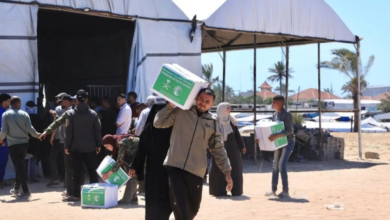
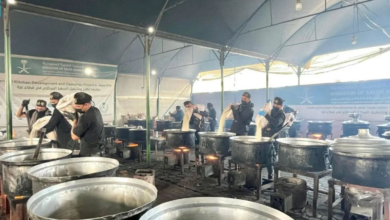
In a move reflecting the deep fraternal ties and historical bonds between the two countries, the Kingdom of Saudi Arabia launched a new package of vital development projects in the Republic of Yemen. This initiative is a continuation of the Kingdom's unwavering commitment to supporting the brotherly Yemeni people, not only through humanitarian and relief aid, but also through sustainable projects aimed at revitalizing dilapidated infrastructure and bolstering the national economy.
The role of the Saudi Program for the Development and Reconstruction of Yemen
These projects are managed and implemented by the Saudi Development and Reconstruction Program for Yemen, the Kingdom's development arm within Yemen. The Saudi strategy in this context focuses on transitioning from emergency relief to development and reconstruction, encompassing projects across multiple vital sectors that directly impact the lives of Yemeni citizens, such as health, education, energy, water, transportation, agriculture, and fisheries.
The importance of projects and their economic impact
The importance of these projects extends beyond mere service provision, encompassing broad economic and social dimensions. By inaugurating power plants, rehabilitating hospitals and medical centers, and constructing model schools, the Kingdom is contributing to the creation of thousands of direct and indirect job opportunities for Yemeni youth. These projects also stimulate the local economy in the liberated governorates, helping to stabilize the currency and improve citizens' purchasing power.
Context of Saudi support for Yemen
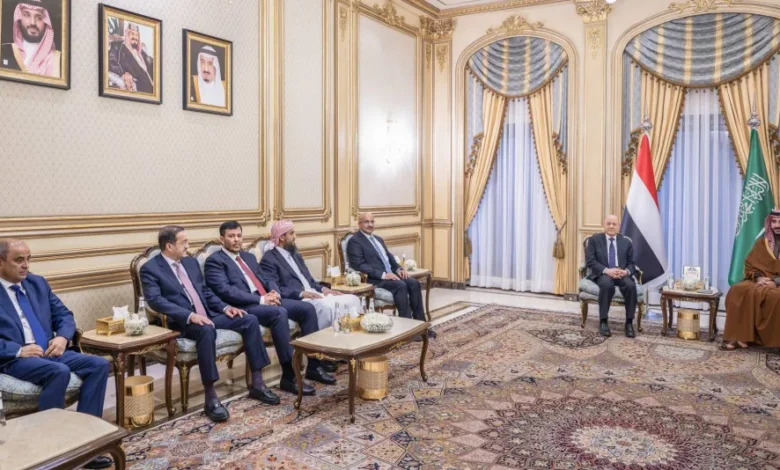
Historically, Saudi Arabia has been Yemen's primary supporter, providing substantial financial and economic assistance over the past decades, including cash deposits in the Central Bank of Yemen to bolster the stability of the Yemeni rial. This new package of projects reaffirms Riyadh's commitment to supporting the legitimate government and state institutions, with the aim of restoring stability, achieving food and water security, and addressing the economic challenges left by years of conflict.
Regional and international impact
These efforts are widely appreciated by the international community and the United Nations, which views Saudi Arabia's development role as a cornerstone in preventing the collapse of Yemeni state institutions. These projects contribute to reducing reliance on emergency foreign aid and lay the foundation for a more stable future, positively impacting the security and stability of the entire region and mitigating the waves of displacement and migration resulting from deteriorating living conditions.