
أعلن الاتحاد الدولي لكرة القدم (فيفا) عن خطوة تاريخية ستغير وجه التحكيم في أكبر محفل كروي عالمي، وذلك عبر الاعتماد الرسمي على مجموعة تقنيات متطورة مدعومة بـ الذكاء الاصطناعي في كأس العالم 2026. تهدف هذه الخطوة الجريئة إلى تسريع القرارات التحكيمية الحاسمة، تقليل الأخطاء البشرية، وإنهاء الجدل الذي طالما أحاط باللحظات المفصلية في المباريات، مما يعد بتجربة مشاهدة أكثر سلاسة وعدالة للجماهير حول العالم.
مسيرة التكنولوجيا في كرة القدم: من خط المرمى إلى الأنظمة الذكية
لم تكن رحلة دمج التكنولوجيا في كرة القدم وليدة اللحظة، بل هي نتاج تطور استمر لسنوات. بدأت القفزات الكبرى مع تطبيق “تكنولوجيا خط المرمى” (GLT) التي حسمت بشكل قاطع الجدل حول عبور الكرة للخط بكامل محيطها. تبعتها ثورة “حكم الفيديو المساعد” (VAR) التي تم تطبيقها رسميًا في كأس العالم 2018، وأصبحت جزءًا لا يتجزأ من اللعبة لمراجعة الأهداف، ركلات الجزاء، البطاقات الحمراء المباشرة، وتصحيح هويات اللاعبين. الآن، يمثل استخدام الذكاء الاصطناعي في كأس العالم 2026 المرحلة التالية والأكثر تقدمًا في هذه المسيرة، حيث تنتقل التكنولوجيا من دور المساعد إلى شريك استباقي في اتخاذ القرار.
تقنيات مبتكرة لمونديال أكثر دقة
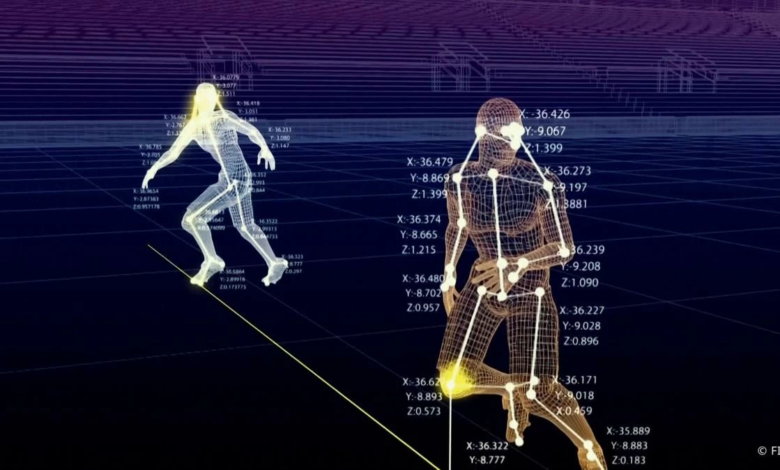
ستشهد البطولة القادمة، التي ستقام في الولايات المتحدة وكندا والمكسيك، تطبيقًا لنظام التسلل شبه الآلي بشكل موسع وأكثر تطورًا. يعتمد هذا النظام على كاميرات متخصصة لتتبع حركة اللاعبين والكرة، وإنشاء نماذج ثلاثية الأبعاد دقيقة لتحديد موقع كل لاعب بدقة متناهية. ومع ذلك، أكد الفيفا أن دور التكنولوجيا سيقتصر على حالات التسلل الموضعية الواضحة، بينما ستبقى الحالات التفسيرية، مثل تأثير اللاعب على المنافس أو حجب الرؤية، خاضعة للتقدير البشري للحكم. بالإضافة إلى ذلك، سيتم استخدام تقنية متقدمة لتحديد خروج الكرة من الملعب، عبر دمج بيانات الشريحة الإلكترونية الموجودة داخل الكرة مع أنظمة المحاكاة ثلاثية الأبعاد، مما يوفر قرارًا فوريًا ودقيقًا في حالات الرميات الجانبية والركلات الركنية التي تسبق تسجيل الأهداف.
تأثير الذكاء الاصطناعي في كأس العالم 2026 وما بعده
لا يقتصر تأثير هذه التقنيات على أرض الملعب فقط، بل يمتد ليشمل الأجهزة الفنية والتحليلية للمنتخبات المشاركة. سيقدم الفيفا منصة بنية تحتية مدعومة بالذكاء الاصطناعي، تتيح للمنتخبات الوصول الفوري إلى ملخصات وبيانات شاملة بعد كل مباراة. ستشمل هذه البيانات تحليلات فنية متعمقة، إحصاءات فردية وجماعية، وصورًا ثلاثية الأبعاد لكل هدف يتم تسجيله. هذا التحول سيساهم في إضفاء طابع ديمقراطي على الوصول للمعلومات التحليلية المتقدمة، مما يمنح جميع الفرق، بغض النظر عن إمكانياتها المالية، أدوات قوية لتحسين الأداء. على المستوى العالمي، يضع هذا التوجه معيارًا جديدًا للبطولات الكبرى، ومن المتوقع أن تبدأ الاتحادات القارية والدوريات المحلية الكبرى في تبني أنظمة مشابهة، مما يرفع من مستوى الدقة والشفافية في كرة القدم عالميًا.