
أعلن الاتحاد الدولي لكرة القدم (فيفا) عن إحصائية لافتة تعكس التحول الكبير الذي ستشهده بطولة مونديال 2026، حيث كشفت القوائم النهائية للمنتخبات المشاركة أن 891 لاعباً سيظهرون للمرة الأولى في تاريخ البطولة. يأتي هذا الرقم الضخم ليؤكد على الأثر المباشر لزيادة عدد المنتخبات المشاركة، ويفتح الباب أمام جيل جديد من المواهب لعرض قدراتهم على الساحة العالمية، وذلك مقابل 357 لاعباً فقط يمتلكون خبرة سابقة في المونديال.
هذه النسخة، التي تستضيفها الولايات المتحدة وكندا والمكسيك، تُعد نقطة تحول في تاريخ كأس العالم. فبعد عقود من الاعتماد على نظام الـ 32 منتخباً الذي بدأ في مونديال فرنسا 1998، قرر فيفا تطبيق التوسع التاريخي ليصل عدد المشاركين إلى 48 منتخباً. هذا القرار لم يأتِ من فراغ، بل هو نتاج رؤية تهدف إلى تعزيز عالمية اللعبة ومنح فرصة أكبر لدول لم تكن لتشارك في ظل النظام القديم، مما يثري البطولة بتنوع ثقافي وكروي غير مسبوق ويضمن وصول حمى المونديال إلى مناطق جغرافية جديدة.
نسخة تاريخية: توسع غير مسبوق يفتح الأبواب لمواهب جديدة
إن زيادة عدد اللاعبين الجدد ليس مجرد رقم، بل هو مؤشر على بداية حقبة جديدة في كرة القدم العالمية. فمع مشاركة 16 منتخباً إضافياً، تزداد فرص اكتشاف لاعبين مميزين من دوريات قد لا تحظى بنفس القدر من التغطية الإعلامية. وأشار تقرير فيفا إلى أن اللاعبين المختارين يمثلون 449 نادياً من 71 دولة مختلفة، وهو ما يعكس الانتشار الواسع للعبة ويعزز من مكانة مونديال 2026 كأكبر حدث رياضي على الإطلاق. هذا التنوع لا يقتصر على جنسيات اللاعبين فحسب، بل يمتد ليشمل أساليب اللعب والمدارس الكروية المختلفة، مما يعد الجماهير بمباريات أكثر إثارة وتنافسية.
استراتيجيات متباينة في بناء المنتخبات
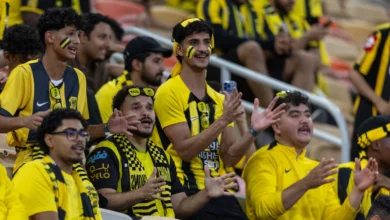
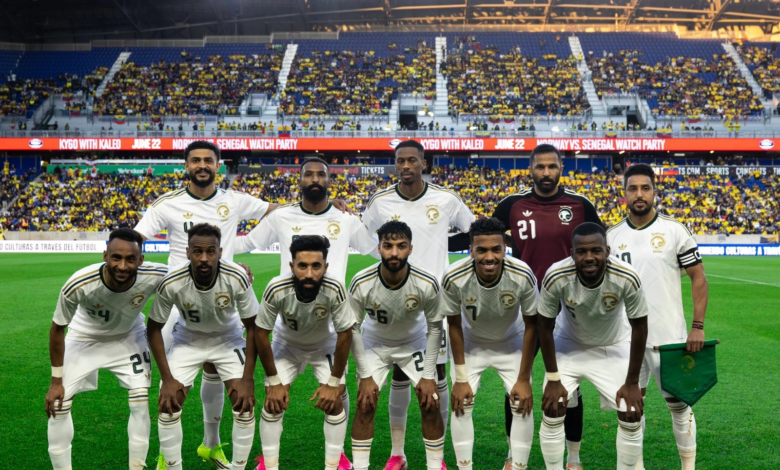
أظهرت القوائم النهائية تبايناً واضحاً في فلسفة بناء المنتخبات المشاركة. فعلى سبيل المثال، تعتمد منتخبات مثل السعودية وقطر بشكل شبه كامل على اللاعبين الناشطين في دورياتها المحلية، حيث يضم كل منتخب 25 لاعباً من أصل 26 من الدوري المحلي. يعكس هذا النهج قوة الدوريات المحلية في هذين البلدين وقدرتها على إنتاج مواهب قادرة على المنافسة على أعلى المستويات.
في المقابل، تسير منتخبات أخرى على نهج مختلف تماماً. فمنتخبات مثل السنغال، أوروغواي، كوت ديفوار، والكونغو الديمقراطية، تعتمد قوائمها بالكامل على لاعبين محترفين خارج بلدانهم. هذا الأمر يسلط الضوء على نجاح هذه الدول في تصدير مواهبها إلى أكبر الدوريات الأوروبية والعالمية، واعتمادها على الخبرات التي يكتسبها هؤلاء اللاعبون في بيئات تنافسية عالية لصناعة الفارق في المحفل العالمي.