Zoho Indoor Championship Quarter-Finals: Anticipated Matchups in Al-Qadisiyah Season

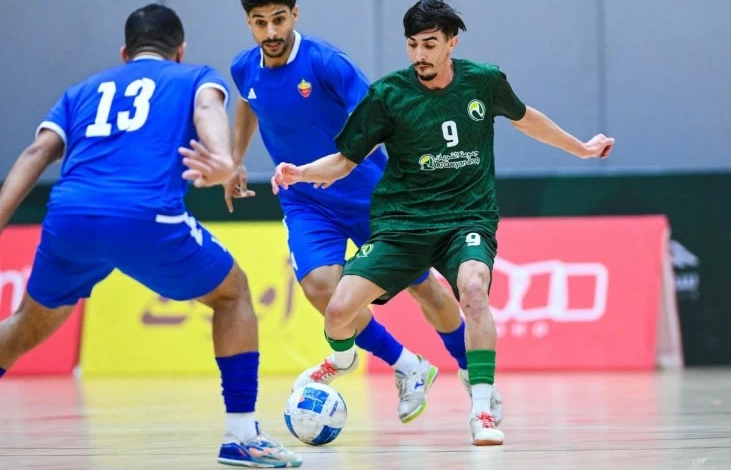
The Zoho Futsal Tournament, held as part of Al-Qadisiyah's Ramadan Season in the Eastern Province, enters its decisive phase with the start of the quarter-final matches, amidst great anticipation from fans for high-caliber encounters. This tournament is an extension of the long-standing sporting tradition of Ramadan tournaments in Saudi Arabia, which serve as a sporting and social outlet that brings together professionals and amateurs, reflecting the active sporting scene witnessed by the Kingdom's clubs during the holy month.
The Al-Qadisiyah Club hall will host two pivotal matches in this round. The host team, Al-Qadisiyah, will face Al-Qurayyan in a mini-derby with a strong sense of challenge, while Al-Thaqbah will clash with Morocco's Saqr Agadir in a match that takes on an international dimension and underscores the regional reputation the tournament has gained. These matches are crucial for the teams aspiring to reach the semi-finals, especially given the high level of play displayed by the teams during the group stage.
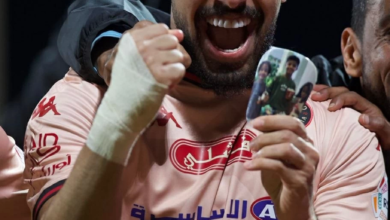
The Ghadran Group team sent a strong warning to their rivals by consolidating their lead in Group C and officially securing their place in the quarterfinals after a resounding 4-1 victory over Oman's Al-Shaab. The match saw a standout performance from Soufiane Chaaraoui, who was named Man of the Match, highlighting the tournament's attraction of top players and the heightened competitiveness. Meanwhile, the Media Club also secured their quarterfinal berth with a 2-1 win over Al-Qurayyan. Despite the loss, Al-Qurayyan still qualified as one of the best third-placed teams.
In terms of the overall atmosphere, the sports fans in the Eastern Province demonstrated their great enthusiasm, with the Al-Qadisiyah Club headquarters witnessing a large turnout to follow the events, overcoming the challenges of the weather and the rain that fell on the region. This attendance reflects the community's confidence in the professional organization of the tournament and the efforts of the organizing committees, who worked efficiently to ensure the smooth continuation of the events in accordance with precautionary measures, creating a distinctive, enthusiastic, and family-friendly atmosphere.
Alongside the sporting excitement, the organizing committee concluded the Holy Quran competition, held in cooperation with the Eastern Province Quran Memorization Society under the slogan "Building a Society that Lives by the Quran." The competition witnessed a spirit of fair play among 375 participants who qualified for the final stage after a rigorous selection process. They were divided into five different categories, including memorization and recitation. The committee allocated valuable cash prizes totaling 75,000 riyals, to be distributed among 20 winners. This initiative underscores the comprehensive nature of the Al-Qadisiyah Ramadan season and its focus on spiritual and cultural aspects alongside sporting competitions.