
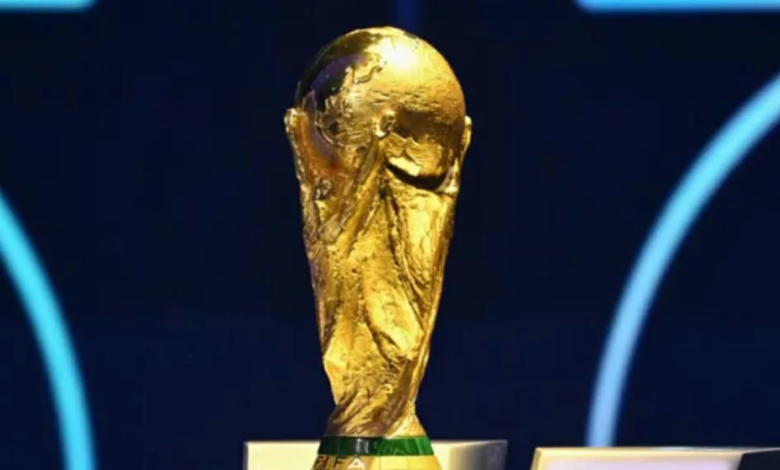

أعلن الاتحاد الدولي لكرة القدم (فيفا) عن تفاصيل النظام الجديد الذي سيحكم منافسات مونديال 2026، والذي يمثل النسخة الأكبر في تاريخ البطولة. مع زيادة عدد المنتخبات المشاركة إلى 48 فريقاً، يقدم نظام التأهل في كأس العالم 2026 تغييراً جذرياً يهدف إلى زيادة الإثارة والشمولية. ستقام البطولة بتنظيم مشترك بين الولايات المتحدة وكندا والمكسيك، وستشهد 104 مباريات على مدار 40 يوماً، مما يعد بحدث كروي استثنائي وغير مسبوق.
تطور تاريخي: من 32 إلى 48 منتخبًا
يمثل مونديال 2026 نقطة تحول في تاريخ كأس العالم، حيث يعد التوسع من 32 إلى 48 منتخباً هو الأكبر على الإطلاق. جاء هذا القرار بعد دراسات مستفيضة أجراها مجلس فيفا، والذي استقر على الصيغة الحالية بعد تقييم عدة مقترحات، كان من بينها نظام يقسم الفرق إلى 16 مجموعة تضم كل منها 3 منتخبات. يعود النظام السابق بمشاركة 32 فريقاً إلى نسخة فرنسا 1998، وقد أثبت نجاحه على مدار سبع نسخ متتالية. يهدف التوسع الجديد إلى منح فرصة تاريخية لعدد أكبر من الدول للمشاركة في المحفل الكروي العالمي، مما يعزز من شعبية اللعبة وانتشارها على المستوى الدولي، ويعكس التزام فيفا بجعل كرة القدم أكثر عالمية.
كيف يعمل نظام التأهل في كأس العالم 2026؟
يعتمد النظام الجديد على تقسيم المنتخبات الـ 48 إلى 12 مجموعة، تتألف كل مجموعة من 4 فرق. يخوض كل منتخب 3 مباريات في دور المجموعات، تماماً كما في النظام السابق. يتأهل متصدر ووصيف كل مجموعة (24 منتخباً) مباشرة إلى الأدوار الإقصائية، وينضم إليهم أفضل 8 منتخبات احتلت المركز الثالث في مجموعاتها. بهذا يكتمل عقد دور الـ 32، وهو دور إقصائي جديد يُضاف إلى البطولة.
تبدأ الأدوار الإقصائية من دور الـ 32 بنظام خروج المغلوب من مباراة واحدة، وتستمر المنافسات عبر أدوار الـ 16، وربع النهائي، ونصف النهائي، وصولاً إلى المباراة النهائية. هذا يعني أن الفريق الذي سيصل إلى المباراة النهائية ويتوج باللقب سيخوض 8 مباريات بدلاً من 7 في النظام القديم.
معايير حسم التأهل والترتيب
لضمان العدالة في المنافسة، وضع فيفا معايير واضحة لحسم الترتيب في حال تساوي فريقين أو أكثر في عدد النقاط بدور المجموعات، وهي كالتالي:
- للمركزين الأول والثاني: يتم الاحتكام أولاً إلى فارق الأهداف العام في جميع مباريات المجموعة، ثم عدد الأهداف المسجلة، ثم نتيجة المواجهات المباشرة بين الفرق المعنية، وفي حال استمرار التعادل، يتم اللجوء إلى معيار اللعب النظيف (أقل عدد من البطاقات الصفراء والحمراء).
- لاختيار أفضل 8 منتخبات في المركز الثالث: يتم ترتيب المنتخبات الـ 12 التي احتلت المركز الثالث في جدول خاص بناءً على المعايير التالية بالترتيب: أكبر عدد من النقاط، أفضل فارق أهداف، أكبر عدد من الأهداف المسجلة، ثم نقاط اللعب النظيف. وفي حال استمرار التعادل بين فريقين أو أكثر في كل هذه المعايير، يتم اللجوء إلى القرعة كحل أخير.
التأثير المتوقع للنظام الجديد
أثار النظام الجديد نقاشاً واسعاً في الأوساط الرياضية. فمن ناحية، يُنظر إليه كخطوة إيجابية تمنح منتخبات من قارات مثل آسيا وأفريقيا وأمريكا الشمالية فرصة أكبر للظهور والمنافسة، مما قد يساهم في تطوير كرة القدم في تلك المناطق. كما أن زيادة عدد المباريات يعني زيادة في العوائد المالية والإيرادات من البث التلفزيوني والرعاة. من ناحية أخرى، يبدي بعض المحللين قلقهم من احتمال انخفاض المستوى الفني العام للبطولة في أدوارها الأولى بسبب وجود فرق أقل خبرة، بالإضافة إلى زيادة العبء البدني على اللاعبين والضغط اللوجستي على الدول المضيفة. ومع ذلك، تبقى هذه مجرد تكهنات حتى انطلاق البطولة التي ستكشف عن الوجه الحقيقي لكرة القدم في عصرها الجديد.
