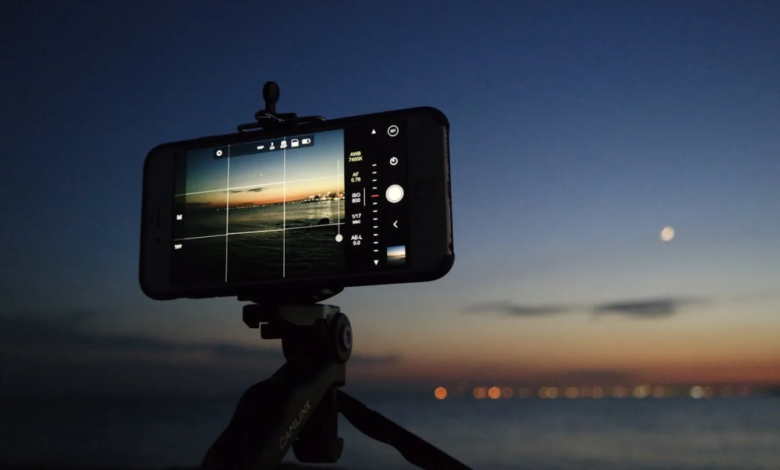

أكد خبراء ومختصون أمنيون وعسكريون أن ظاهرة تصوير ونشر مقاطع الفيديو التي توثق عمليات التصدي العسكري للصواريخ والطائرات المسيرة المعادية، أو توثيق مواقع سقوط شظاياها، تُعد عملاً غير مسؤول يمس بشكل مباشر بالأمن الوطني والاستقرار المجتمعي في المملكة العربية السعودية. وتأتي هذه التحذيرات متوافقة مع بيانات وزارة الداخلية التي شددت مراراً على أن هذه الأفعال تشكل خطراً حقيقياً على سلامة الوطن والمواطن.
تاريخياً، واجهت المملكة العربية السعودية على مدار السنوات الماضية تحديات أمنية إقليمية تمثلت في محاولات متكررة من قبل ميليشيات مسلحة لاستهداف الأعيان المدنية والاقتصادية باستخدام الصواريخ الباليستية والطائرات بدون طيار. وقد أثبتت قوات الدفاع الجوي الملكي السعودي كفاءة عالية في اعتراض وتدمير هذه التهديدات بنسب نجاح غير مسبوقة عالمياً، باستخدام أحدث المنظومات الدفاعية. ومع التطور التكنولوجي وسهولة استخدام الهواتف الذكية، برزت ظاهرة التوثيق العفوي من قبل بعض الأفراد، وهو ما استدعى تدخلاً توعوياً وقانونياً حازماً لمنع استغلال هذه المواد من قبل الاستخبارات المعادية.
مساعدة مجانية للعدو وحرب نفسية
وفي هذا السياق، أوضح الأستاذ الدكتور عبدالرحمن بدوي، أستاذ علم الاجتماع والجريمة بكلية الملك خالد العسكرية، أن الوعي المجتمعي يمثل حائط الصد الأول وأقوى خطوط الدفاع التي تتجاوز في أهميتها الأنظمة التقنية البحتة. وأشار إلى أن المواطن أو المقيم الذي ينشر هذه المقاطع، حتى وإن كان ذلك بحسن نية، يتحول دون أن يشعر إلى أداة استخباراتية تخدم العدو، حيث تسهل هذه اللقطات تحديد المواقع الجغرافية والإحداثيات الدقيقة لاستهداف المقرات الحيوية بكل سهولة ويسر.
وأضاف الدكتور بدوي أن تداول معلومات غير رسمية، والتي قد تكون مفبركة باستخدام تقنيات الذكاء الاصطناعي، يفتح باباً واسعاً لنشر الشائعات وإثارة الرعب بين السكان، مما يهدد الأمن النفسي والاجتماعي، مشدداً على ضرورة الالتزام بالمصادر الرسمية ووقف تداول المقاطع المغرضة دعماً للجنود المرابطين.
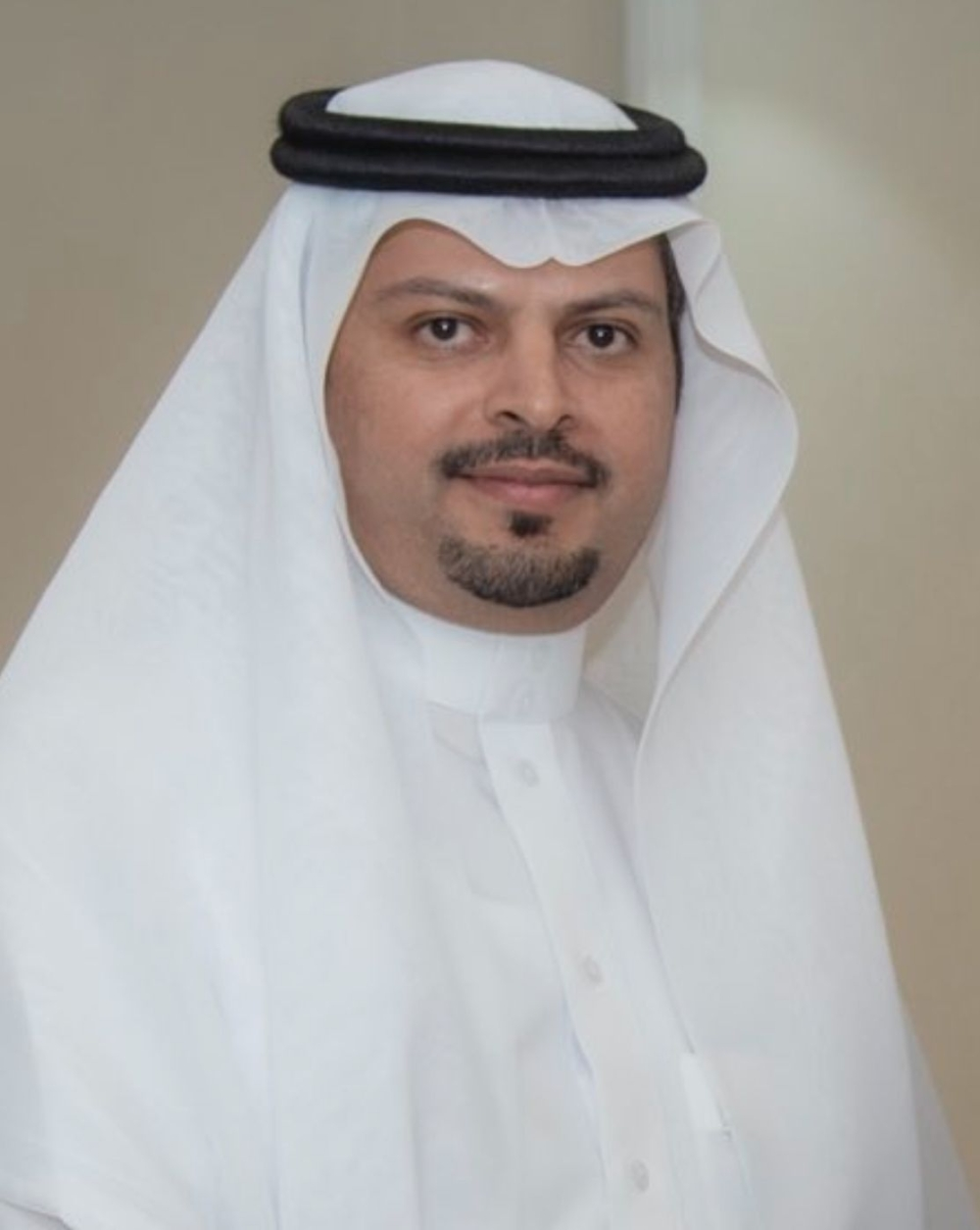
د. عبدالرحمن بدوي
تهديد مباشر للأمن القومي والتكتيك العسكري
من الناحية العسكرية والاستراتيجية، بيّن اللواء متقاعد مسفر الغامدي أن المنطقة تمر بظروف غير عادية شملت رشقات صاروخية ومسيرات تستهدف مواقع حيوية بشكل مستمر وبكثافة كبيرة. وأكد الغامدي أن تصوير أماكن سقوط المقذوفات أو مسارات الاعتراض في السماء يمنح الجهات المعادية معلومات استخباراتية مفتوحة المصدر (OSINT) ومجانية بالكامل. هذه المعلومات تمكن العدو من تحليل مسارات الصواريخ، ومعرفة أوقات الاستجابة، وتحديد مواقع منصات الدفاع الجوي بدقة، مما يسمح لهم بتطوير تكتيكاتهم الهجومية وإعادة ضربها أو استهداف مواقع استراتيجية أخرى.
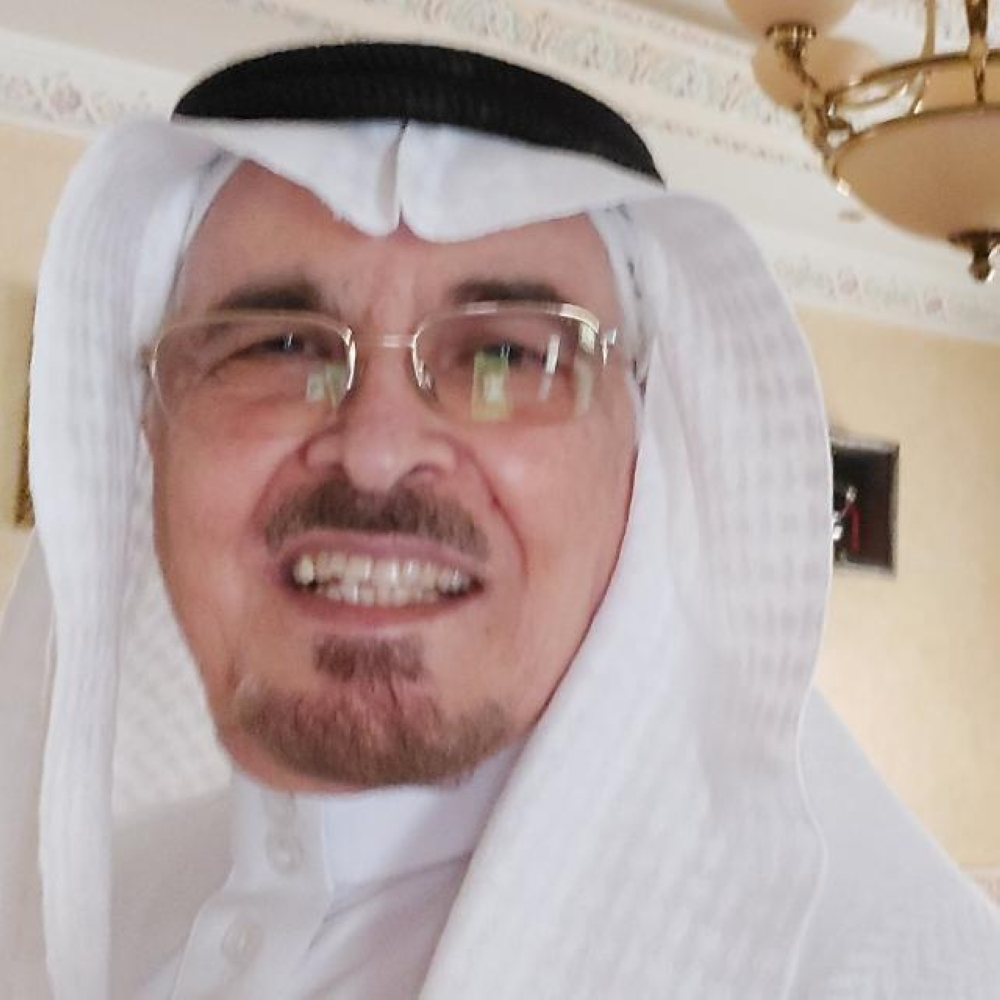
مسفر الغامدي
واعتبر اللواء الغامدي أن هذا الفعل يوازي في خطورته العمل جنباً إلى جنب مع العدو ضد أمن البلاد وسلامتها. ونوه بالوعي الذي يتمتع به المواطن والمقيم في المملكة وإدراكهم لضرورة التبليغ عن أي شخص يقوم بهذا التصوير التخريبي حتى ينال جزاءه الرادع حفظاً للوطن من كل سوء.
ملاحقة قانونية مشددة وجرائم معلوماتية
وعلى الصعيد القانوني، حذر المختص في علم الجريمة الدكتور عبدالعزيز آل حسن من استخدام عدسات الهواتف لتوثيق اعتراض الصواريخ بحثاً عن سبق إعلامي أو زيادة المتابعين والشهرة. وأكد أن هذه المقاطع تكشف بدقة مواقع منصات الدفاع الجوي وتوقيت استجابتها وآلية عملها، مما يعرض القوات الميدانية لخطر الاستهداف المباشر من قبل المتربصين.

د. عبدالعزيز آل حسن
ونبه إلى أن هذه التصرفات تخضع لنظام مكافحة الجرائم المعلوماتية، حيث إن إنتاج أو نشر ما يمس النظام العام أو الأمن الوطني يعد جريمة موجبة للعقوبات المشددة التي تشمل السجن والغرامات المالية. وشدد على أن أمن الوطن واجب وليس مادة للتريند، وأن الوعي هو جزء لا يتجزأ من منظومة الدفاع عن استقرار البلاد.
إضعاف كفاءة العمليات الأمنية
وفي سياق متصل، أكدت الكاتبة والمحققة الجنائية آلاء الحمد أن نشر مقاطع اعتراض المسيرات يؤثر بشكل مباشر على كفاءة العمليات الأمنية من خلال كشف تفاصيل الانتشار وآليات الاستجابة الميدانية. وذكرت الحمد أن هذه المعلومات العفوية تُستخدم لتحليل أنماط الأداء الأمني، مما يحد من عنصر المفاجأة ويؤثر على فعالية الإجراءات الوقائية مستقبلاً ويعرض سلامة الفرق للخطر.

آلاء الحمد
وأوضحت أن تداول هذه المواد يفتح المجال أمام الجهات المعادية لتطوير تكتيكات هجومية مضادة بناءً على تحليل نقاط القوة والضعف الدفاعية. واختتمت بأن الوعي والالتزام بعدم النشر يمثل ركيزة أساسية في حماية منظومة الأمن الوطني من الاختراقات المعلوماتية التي قد تستغلها أطراف خارجية.