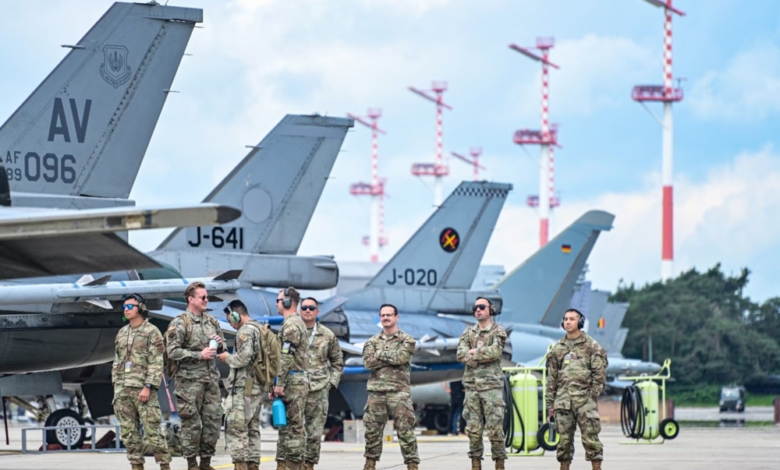

في خضم النقاشات المتصاعدة داخل القارة العجوز حول مستقبل الأمن الدفاعي، وصفت فنلندا فكرة تولي أوروبا وحدها مسؤولية الردع النووي، كبديل عن المظلة الأمريكية، بأنها فكرة "غير واقعية" في ظل المعطيات الراهنة. وتأتي هذه التصريحات لتعكس موقف هلسنكي البراغماتي تجاه التحالفات العسكرية، خاصة بعد انضمامها حديثًا إلى حلف شمال الأطلسي (الناتو).
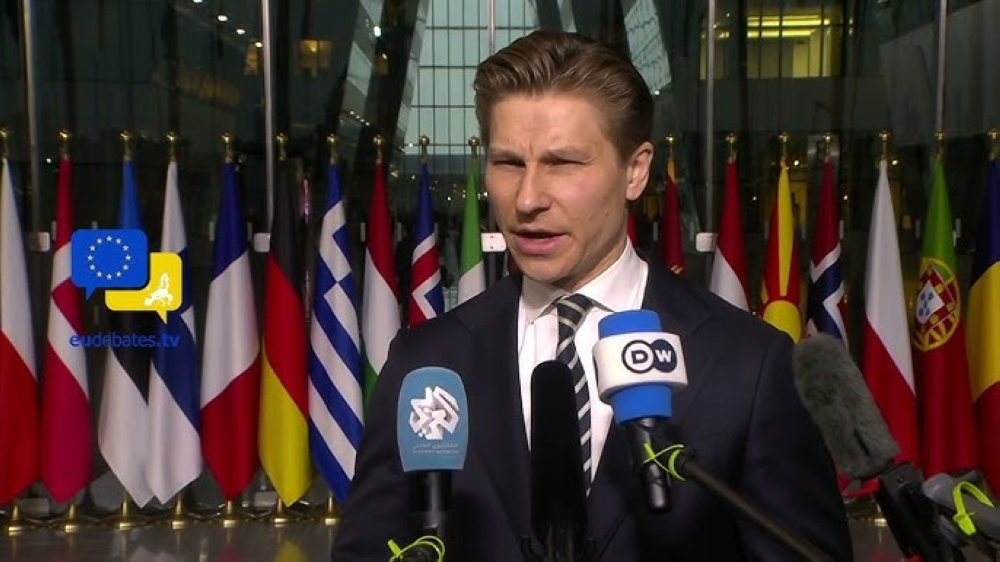
وأكد وزير الدفاع الفنلندي، أنتي هاكانين، في تصريحات صحفية يوم الثلاثاء، أن الاعتقاد بإمكانية استغناء أوروبا عن القدرات النووية للولايات المتحدة في الوقت الحالي هو ضرب من الخيال، مشددًا على ضرورة التمسك بالترتيبات الأمنية القائمة التي تضمن استقرار القارة.
السياق الجيوسياسي والمخاوف الأوروبية
تأتي هذه التصريحات في وقت تشهد فيه أوروبا حالة من القلق الاستراتيجي، مدفوعة بالشكوك المتزايدة حول استمرارية الدعم العسكري الأمريكي بنفس الوتيرة، خاصة مع التجاذبات السياسية الداخلية في واشنطن واحتمالية تغير السياسات الخارجية الأمريكية في المستقبل. وقد دفع هذا القلق بعض القادة الأوروبيين إلى فتح ملف "الاستقلال الاستراتيجي"، بما في ذلك بحث سبل تشكيل قوة ردع نووي أوروبية مشتركة.
وفي هذا الصدد، صرحت مسؤولة العلاقات الخارجية في الاتحاد الأوروبي، كايا كالاس، لصحيفة "هلسينجين سانومات" الفنلندية، بأنه يتعين فتح نقاش جدي حول تطوير قوة ردع أوروبية. إلا أن الواقع العسكري يشير إلى تحديات ضخمة، حيث أن فرنسا وبريطانيا هما الدولتان الوحيدتان في أوروبا اللتان تمتلكان ترسانة نووية، وقدراتهما مجتمعة لا تضاهي الترسانة الأمريكية الضخمة التي تشكل عماد الردع للناتو.
التزام أمريكي راسخ بالردع النووي
من جانبه، جدد الوزير هاكانين الثقة في التحالف عبر الأطلسي، قائلًا: "لدينا ثقة كاملة بالاتفاق الذي أبرم العام الماضي داخل حلف شمال الأطلسي، والذي نص بوضوح على أن الولايات المتحدة ملتزمة بالكامل بمبدأ الردع النووي لحماية الحلفاء". وأشار إلى أن أي استثمار أوروبي إضافي في الدفاع هو أمر مرحب به، لكنه يجب أن يكون مكملًا وليس بديلًا.
وأضاف موضحًا: "إن كانت أوروبا تعتزم الاستثمار أكثر في الردع النووي في فرنسا أو المملكة المتحدة، فهذا لا يمكن إلا أن يكون إيجابيًا لتعزيز القدرات الدفاعية الشاملة، لكن الحديث عن الاستعاضة عن الدور الأمريكي هو أمر غير واقعي في الوقت الراهن"، منوهًا إلى الفجوة الكبيرة في القدرات العسكرية والتقنية بين أوروبا والولايات المتحدة.
تكلفة الاستقلال الدفاعي وتحديات الناتو
على الصعيد الاستراتيجي، يرى الخبراء أن بناء مظلة نووية أوروبية مستقلة يتطلب عقودًا من الزمن واستثمارات مالية هائلة قد ترهق ميزانيات الدول الأوروبية التي تعاني أصلًا من تحديات اقتصادية. وكان الأمين العام لحلف الناتو قد حذر في نهاية يناير الماضي من أن أوروبا لا تستطيع الدفاع عن نفسها بمفردها دون الولايات المتحدة.
وشدد الأمين العام على أن محاولة بناء تحالف دفاعي أوروبي منفصل سيكلف القارة "المليارات" وسيؤدي إلى تشتيت الجهود، محذرًا النواب الأوروبيين بقوله: "في هذا السيناريو، ستخسرون الضمانة القصوى لحريتنا وأمننا، وهي المظلة النووية الأمريكية التي شكلت حجر الزاوية في حفظ السلام في أوروبا منذ نهاية الحرب العالمية الثانية".
وتدرك فنلندا، التي تشترك في حدود برية تمتد لأكثر من 1300 كيلومتر مع روسيا، أكثر من غيرها أهمية الردع الفعال. فبعد عقود من عدم الانحياز العسكري، اختارت هلسنكي الانضمام للناتو للحصول على ضمانات المادة الخامسة للدفاع المشترك، مما يجعلها حريصة على عدم إضعاف الرابط الأطلسي بأي طروحات قد تبدو غير عملية.