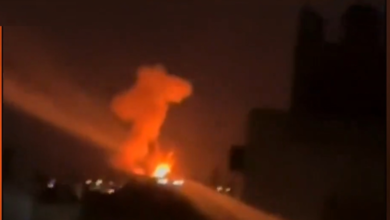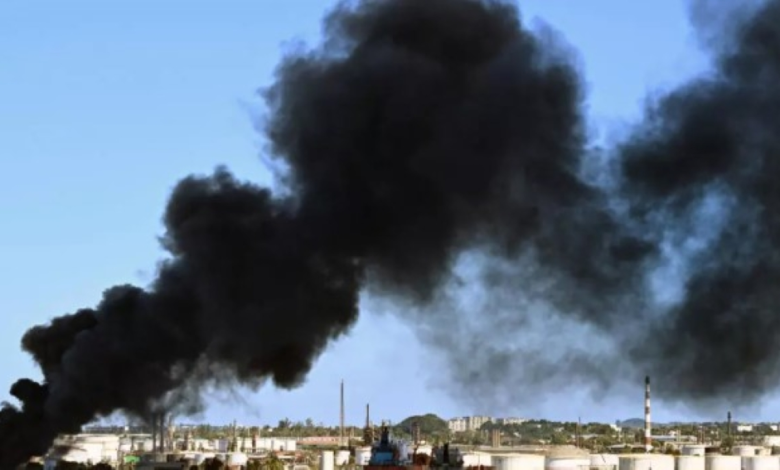

شهدت العاصمة الكوبية هافانا، يوم الجمعة، حادثاً مقلقاً تمثل في اندلاع حريق كبير في مصفاة النفط الرئيسية "نيكو لوبيز" الواقعة في خليج العاصمة. وقد رصد شهود عيان وسكان المناطق المجاورة سحابة كثيفة من الدخان الأسود تتصاعد من حرم المصفاة، مما أثار مخاوف واسعة النطاق في ظل الأزمة الاقتصادية الخانقة التي تعيشها الجزيرة. وعلى الرغم من وضوح ألسنة اللهب والدخان من الجانب الآخر لقناة الخليج، لم يصدر تأكيد فوري حول ما إذا كانت النيران قد امتدت لتلتهم خزانات النفط الاستراتيجية في المنشأة، وهو ما قد يشكل كارثة بيئية واقتصادية إضافية.
تداعيات أزمة الوقود والعقوبات
يأتي هذا الحادث في توقيت حرج للغاية بالنسبة لكوبا، التي تعاني بالفعل من شلل شبه تام في قطاع الطاقة. وتواجه البلاد تداعيات قاسية نتيجة وقف شحنات النفط القادمة من كاراكاس، الحليف الاستراتيجي لهافانا. ويرتبط هذا التوقف بالتطورات الجيوسياسية الأخيرة والضغوط الأمريكية المتزايدة، بما في ذلك الإجراءات التي طالت القيادة الفنزويلية، مما أدى إلى خنق الإمدادات الحيوية التي كانت تعتمد عليها محطات التوليد الكوبية لعقود.
شلل في حركة الطيران والسياحة
لم تقتصر آثار أزمة الوقود على القطاع الصناعي أو الكهرباء المنزلية فحسب، بل امتدت لتضرب شريان السياحة الحيوي. فقبل يومين فقط من الحادث، أعلنت الخطوط الجوية الكندية (إير كندا)، التي تعد ناقلاً رئيسياً للسياح إلى الجزيرة، تعليق رحلاتها إلى كوبا. وجاء هذا القرار نتيجة العجز عن تأمين وقود الطائرات في المطارات الكوبية، وهو مؤشر خطير على عمق الأزمة التي تعيشها البلاد تحت وطأة الحظر الأمريكي المستمر ومشاكل سلاسل الإمداد العالمية.
خلفية تاريخية وأهمية المصفاة
تعتبر مصفاة "نيكو لوبيز" في هافانا واحدة من أهم البنى التحتية للطاقة في كوبا، حيث لعبت دوراً محورياً في تكرير النفط الخام المستورد وتوزيعه. وتاريخياً، عانت البنية التحتية للطاقة في كوبا من التقادم ونقص الصيانة بسبب العقوبات الاقتصادية طويلة الأمد، مما يجعل أي حادث عرضي مثل هذا الحريق ذا تأثير مضاعف. إن خروج أي جزء من هذه المصفاة عن الخدمة يعني زيادة ساعات انقطاع الكهرباء التي يعاني منها المواطنون بالفعل، والتي قد تصل في بعض المناطق إلى فترات طويلة يومياً.
التأثير الإقليمي والمحلي المتوقع
من المتوقع أن يلقي هذا الحادث بظلاله على الوضع المعيشي لآلاف الكوبيين، حيث يرتبط توفر الوقود بشكل مباشر بأسعار السلع الغذائية والمواصلات العامة. كما أن الضغط المتزايد على الحكومة الكوبية لإيجاد بدائل للطاقة في ظل تعثر الحليف الفنزويلي قد يدفع نحو تغييرات في السياسات الاقتصادية أو البحث عن شركاء دوليين جدد لتفادي انهيار شبكة الطاقة الوطنية بالكامل.