
In a move reflecting its growing status as a global economic powerhouse, Saudi Arabia is preparing to host the second edition of the AlUla Emerging Markets Economies Conference, scheduled for February 8 and 9, 2026, in the historic AlUla region. This prestigious event, jointly organized by the Saudi Ministry of Finance and the International Monetary Fund, will bring together leading finance ministers, central bank governors, policymakers, and heads of international financial institutions from around the world.
A global platform for economic dialogue
Saudi Finance Minister Mohammed Al-Jadaan affirmed that the Kingdom's hosting of this conference stems from its unwavering commitment to supporting international financial and economic stability. Al-Jadaan emphasized the crucial role of emerging market economies in the global growth equation, explaining that the conference provides a unique platform for exchanging perspectives on economic developments and discussing the structural reforms necessary to enhance economic resilience in the face of rapid changes.
For her part, Kristalina Georgieva, Managing Director of the International Monetary Fund, stressed the importance of this timing, noting that the world is undergoing profound transformations driven by technology, demographic changes, and geopolitical tensions, which require policymakers to work in greater coordination to enhance financial resilience.
Why Al-Ula? Significance of place and time
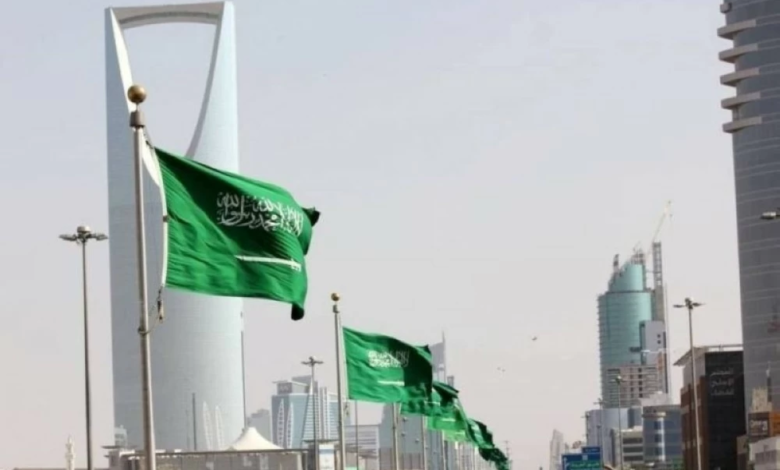
The choice of AlUla to host this event is no coincidence. Historically a crossroads of civilizations and ancient trade routes, AlUla is repositioning itself within the framework of Saudi Vision 2030 to become a global destination for intellectual, economic, and cultural dialogue. The unique geographical and historical character of the location adds an exceptional dimension to the conference, bringing together economic leaders in an environment that inspires innovation, far removed from the hustle and bustle of traditional capitals, thus enhancing the chances of developing innovative solutions to complex challenges.
The importance of emerging markets in the global economy
This conference is of particular importance given the current economic climate. Emerging markets are the primary engine of global growth, yet they face numerous challenges, ranging from exchange rate volatility and high inflation to sovereign debt burdens. The conference is expected to discuss mechanisms for adapting to these changes and how to leverage digital transformation and clean energy as promising opportunities for sustainable growth.
This event underscores the leading role of the Kingdom of Saudi Arabia in the G20 and international institutions, as Riyadh seeks to bridge the gap between advanced and emerging economies and ensure that global financial policies are more inclusive and equitable.
Strategic objectives and expected outcomes
The conference aims to achieve a number of strategic objectives, most notably:
- Policy coordination: Strengthening international cooperation to address cross-border economic shocks.
- Attracting investments: Highlighting the investment opportunities inherent in emerging markets.
- Exchange of experiences: Transferring successful experiences in the areas of financial and structural reform between participating countries.
The conference is expected to produce practical recommendations that will contribute to drawing a roadmap for emerging market economies, enabling them to overcome economic "uncertainty" and achieve growth rates that will positively impact the living standards and well-being of their people.