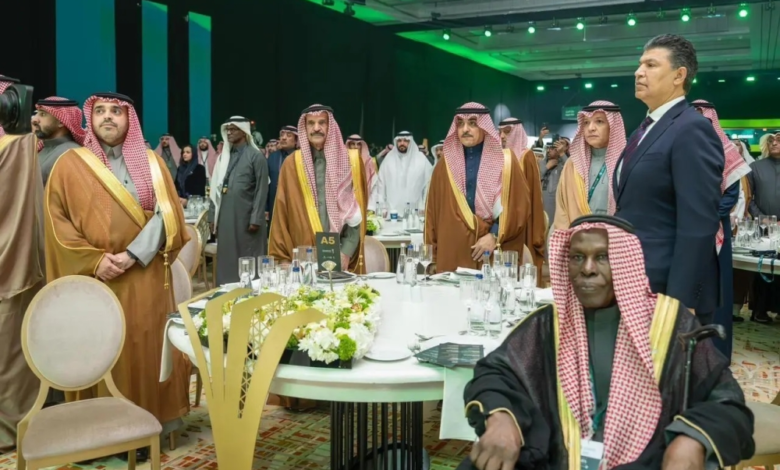

In a historic achievement reflecting the rapid development of the media sector in Saudi Arabia, the Saudi Media Forum its fifth edition in Riyadh, setting a new world record. This massive event was officially recognized by Guinness World Recordsafter attracting over 65,603 visitors, further cementing Riyadh's position as one of the most important emerging media capitals in the region and the world.
An exceptional closing ceremony with high-ranking officials in attendance
The closing ceremony, held Wednesday evening, was attended by Minister of Media Salman bin Yousef Al-Dossari, along with a large gathering of dignitaries, media professionals, and content creators from within the Kingdom and abroad. This edition, themed "Media in a Changing World," reflected the challenges and opportunities facing the sector in light of the digital revolution and artificial intelligence technologies. This success comes within the context of the cultural and media movement underway in the Kingdom, aligned with the goals of Vision 2030, which places great emphasis on developing the media infrastructure and enhancing the Kingdom's soft power.
Strategic shift towards institutional work
In his address at the opening ceremony, Mohammed bin Fahd Al-Harthi, Chairman of the Saudi Media Forum, affirmed that the forum is no longer a fleeting seasonal event, but has transformed into a sustainable, institutional framework. He highlighted the launch of several impactful initiatives aimed at empowering the sector, most notably the Media Innovation Center, the "Growth" initiative to support entrepreneurs in the media field, and the "Media Ambassadors" initiative targeting young talent in universities. This transformation reflects the Kingdom's strategy of cultivating a generation of professional media professionals capable of keeping pace with global changes.
Future Media Exhibition "FOMEX"
Alongside the forum sessions, the Future of Media Exhibition (FOMEX) achieved remarkable success with the participation of over 250 local and international companies. These companies showcased the latest technologies in content creation, broadcasting, and production, providing visitors and professionals with a firsthand look at the future of media. The presence of approximately 300 speakers from around the world enriched the discussions, transforming the event into a global platform for exchanging expertise and insights.
List of winners of the Saudi Media Forum awards
The ceremony saw the crowning of innovators across the various award categories, which aim to create a competitive environment that stimulates creativity. The list of winners is as follows:
- Media Personality of the Year: Awarded to the esteemed media figure, Dr. Hussein Najjar, in recognition of his distinguished career and continuous contributions.
- Global Competitor Award: Won by Dr. Abdullah bin Abdulaziz Al-Rabeeah, General Supervisor of the King Salman Relief Center.
- Press report: Journalist Khaled Al-Badr won it.
- The press interview: The award went to journalist Abdulhadi Habtour.
- Academic research: The researcher Lama Al-Sahli won it.
- Social talk shows: The "Rachid Show" program from the Kingdom of Morocco won.
- Podcasts and radio programs: The Ministry of Culture won it for the "Podcast 1949" program.
- Best National Day Work: The Tourism Development Fund won for their work "What have you heard about Saudi Arabia?".
- Best work for Founding Day: The Ministry of Defense won for the film "Al-Awja".
- Best work for Science Day: Won by the Saudi Vision 2030 account.
- The newspaper column was won by Dr. Mohammed Al-Rumaihi.
At the conclusion of the ceremony, the Minister of Information honored the partners and sponsors who contributed to the success of this global event, and commemorative photos were taken with the winners, bringing to a close an exceptional edition that set new standards for media events in the region.