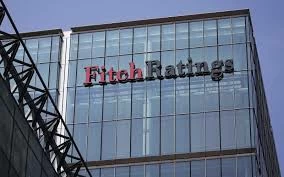

Fitch Ratings warns of a decline in global economic indicators
Amidst rapidly evolving geopolitical developments, Fitch Ratings announced that the current and sustained rise in oil prices, coupled with volatile movements in global stock markets, paints a bleak and negative picture of the impact of current tensions, particularly the repercussions of the conflict with Iran, on global macroeconomic indicators. This warning underscores the fragility of the economic recovery in the face of the renewable energy crisis.
Historical context: The Middle East and global energy security
Historically, the Middle East, and specifically strategic waterways like the Strait of Hormuz, has been a vital artery for global energy flows. Any threat to disrupt these supplies evokes memories of the major oil shocks of past decades, which led to waves of stagflation. Current tensions are no exception, as fears of large-scale military confrontations are prompting investors to price in a "geopolitical risk premium" within the price of a barrel of oil, putting pressure on production and transportation costs across all critical sectors.
The impact of the energy crisis on economic growth rates
Fitch Ratings explained in its reports that the continued rise in energy prices will have a direct and severe impact on global economic growth rates. The risk is particularly pronounced in major industrialized nations that rely heavily on energy imports to power their factories and meet domestic needs. The agency identified the United States, Japan, and South Korea as the most vulnerable economies to a slowdown in growth. Japan and South Korea lack domestic oil resources and depend on imports, while the United States faces challenges related to high inflation rates, which may compel the central bank to adopt tighter monetary policies.
Sharp fluctuations in crude oil prices
Regarding prices and market activity, oil prices saw a notable rise today, recovering some of the losses incurred in previous sessions. This volatility comes as investors reassess the prospects for de-escalation in the Middle East. It coincides with Iran's announcement that it is still considering the US proposal aimed at ending the conflict that has disrupted energy flows and thrown global supply chains into disarray.
These developments were clearly reflected in the figures; Brent crude futures rose by $3.91, or 3.83%, to reach $106.1 per barrel. Similarly, West Texas Intermediate (WTI) crude futures increased by $3.29, or 3.64%, settling at $93.61 per barrel, reflecting the prevailing anxiety and uncertainty among market participants.
Expert views and expected future impacts
To better assess the situation, Tsuyoshi Ueno, chief economist at the NLI Research Institute, stated, “Optimism regarding a ceasefire has gradually faded, and the parameters and conditions set by Washington appear high and difficult to achieve.” The economist added that this situation makes oil prices vulnerable to further sharp fluctuations, depending on the course of political negotiations and potential military actions by both sides.
In conclusion, it is clear that the anticipated impact of this crisis extends beyond regional boundaries, striking deep into the global economy. The rising cost of energy inevitably leads to higher commodity prices, threatening the purchasing power of consumers worldwide and presenting economic policymakers with unprecedented challenges in maintaining market stability and preventing a slide into a new global recession.