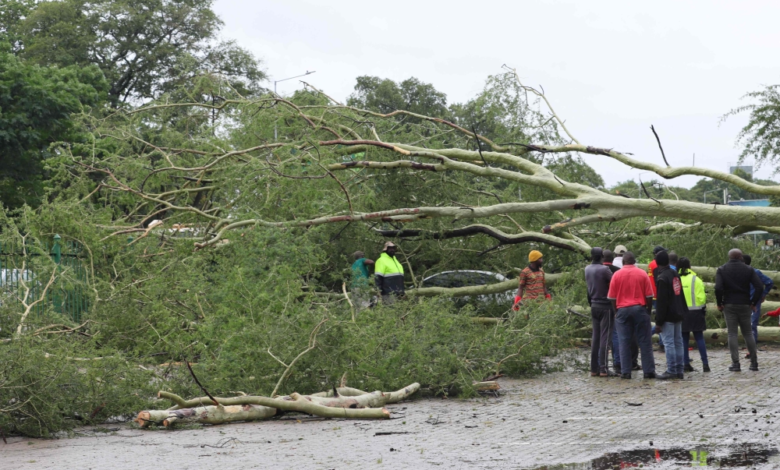

Southern Africa has been hit by a severe weather system in recent days, with torrential rains and flash floods killing more than 100 people across three major countries: South Africa, Mozambique, and Zimbabwe. This natural disaster compounds the suffering of a region already facing increasing climate challenges, amid official warnings of continued atmospheric instability.
Casualty figures and the situation on the ground
Official reports indicate that the human toll has been devastating, particularly in Mozambique, which bore the brunt of the disaster. Mozambique's Institute for Disaster Management and Risk Reduction announced that 103 people have died as a result of an exceptionally intense rainy season that began late last year and has continued to intensify. In neighboring South Africa, authorities have recorded at least 19 deaths in two northern provinces, where torrential rains began last month, causing widespread flooding that has swept away infrastructure and homes.
The climatic and geographical context of the disaster
These floods are part of an extreme weather pattern that periodically strikes southern Africa, though its frequency has increased in recent years. Mozambique and its neighbors lie in the path of tropical cyclones and low-pressure systems originating in the Indian Ocean. Meteorologists indicate that climate change plays a pivotal role in increasing rainfall intensity, making winter and summer seasons more extreme, with typical seasonal rains transforming into devastating flash floods that overwhelm the land's absorption capacity and the ability of dams and rivers to cope.
Expected economic and humanitarian repercussions
The effects of these floods extend far beyond the tragic loss of life, encompassing long-term economic and humanitarian repercussions. Floodwaters typically destroy crops, threatening food security in countries heavily reliant on agriculture. Furthermore, damage to roads and bridges hinders the delivery of humanitarian aid to affected areas, exacerbating the suffering of displaced people who have lost their homes.
Health risks and ongoing warnings
Health authorities in the three countries have warned of the environmental risks following the receding waters, including the increased likelihood of outbreaks of waterborne diseases such as cholera and malaria, particularly in areas where sanitation and drinking water systems have been damaged. With weather forecasts predicting further rainfall, the region remains on high alert, amid international calls for urgent support for those affected and for strengthening infrastructure to address future climate challenges.