
Introduction to energy security in the Gulf region
The Arabian Gulf region, with its major producing countries such as Saudi Arabia, Qatar, Kuwait, and Bahrain, is a vital artery for global energy supplies. During times of geopolitical tension, the stability of these supplies is crucial for ensuring the balance of the global economy. Markets often circulate rumors or unconfirmed reports about force majeure declarations in the oil and gas sector as a result of regional events. In such cases, it is essential to rely on official statements issued by national companies, such as Bapco Energies in Bahrain, Qatar Energy, or Kuwait Petroleum Corporation, to distinguish facts from speculation that could trigger panic in the markets.
What is the status of "force majeure" in energy contracts?
In legal and commercial practice, "force majeure" is defined as a contractual clause that releases parties from their legal obligations in the event of exceptional circumstances beyond their control, such as natural disasters, full-scale wars, or global pandemics. In the energy sector, invoking this clause is a rare and highly sensitive step, as it sends strong warning signals to global markets about the potential for supply disruptions. This declaration is only made after a thorough and comprehensive assessment of the actual damages that prevent the extraction, refining, or export of oil and gas.
The historical context of force majeure declarations
Historically, global markets have witnessed limited and documented instances where the force majeure clause has been invoked. For example, during the COVID-19 pandemic in 2020, some international companies were forced to declare force majeure due to the sudden collapse in demand and disruptions to supply chains. Similar situations have also occurred in countries experiencing protracted internal armed conflicts that led to the closure of oil ports. These examples demonstrate that the invocation of this clause is linked to tangible, internationally documented facts, and not merely to political tensions or media reports unsupported by official statements from the governments concerned.
Economic impact on local and global markets
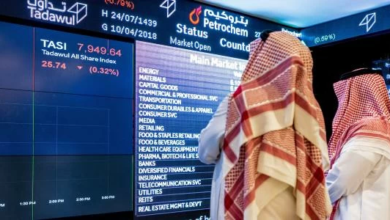
When energy markets face genuine threats, prices react immediately, with oil and gas prices rising due to concerns about energy security. However, Gulf countries, including the Kingdom of Bahrain, have robust proactive crisis management plans in place. As national companies consistently emphasize, meeting domestic market needs and ensuring supply continuity are top priorities. Companies like Bapco Energies work to ensure the stability of their refining and domestic distribution operations according to the highest safety standards, thus minimizing the impact of any external fluctuations on local consumers.
The importance of obtaining information from reliable sources
With the rapid pace of news dissemination, it becomes easy for inaccurate information to spread regarding attacks on vital infrastructure or the outbreak of large-scale conflicts. Therefore, economists and energy experts emphasize the importance of caution and verifying news through official news agencies and international energy organizations. Market stability depends not only on the flow of oil but also on the flow of accurate and reliable information, which prevents sharp and unjustified price fluctuations and maintains confidence in the regional and global economy.