The Foreign Minister participates in an international meeting to discuss Iranian aggression

High-level diplomatic participation
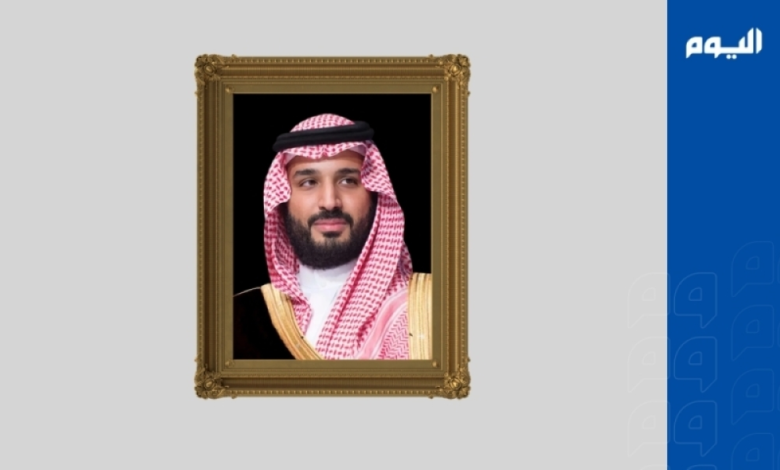
On behalf of His Royal Highness Prince Mohammed bin Salman bin Abdulaziz Al Saud, Crown Prince and Prime Minister, His Highness the Minister of Foreign Affairs participated in a high-level international and regional meeting. This meeting included leaders and representatives from the Gulf Cooperation Council (GCC) countries, as well as Jordan, Egypt, Iraq, Syria, Lebanon, Turkey, and Armenia. The meeting also witnessed prominent international participation, including the President of the European Council and the President of the European Commission. Discussions focused primarily on Iranian aggression and interference in the region and its repercussions on security and peace.
General context and historical background of the event
This participation comes at a time when the Middle East region is facing complex security and political challenges that require international cooperation. Historically, Saudi Arabia and other countries in the region have sought to establish stability and peace and to counter any external interference that undermines regional security. Iranian policies, characterized by interference in the internal affairs of Arab states and threats to shipping lanes, have been a constant source of concern for the international community. The Gulf Cooperation Council (GCC) countries, in cooperation with their regional and international allies, have consistently held summits and consultative meetings to unify their visions and positions regarding these threats, emphasizing the importance of respecting the sovereignty of states and the principles of good neighborliness in accordance with the UN Charter and international law.
The importance of the event and its expected regional and international impact
This summit is of paramount importance given its timing and the scale of participation. On both the local and regional levels, the Kingdom's participation, on behalf of His Royal Highness the Crown Prince, underscores Riyadh's leading and pivotal role in spearheading diplomatic efforts to safeguard Arab and Gulf national security. Coordination with strategically influential countries such as Egypt, Turkey, and Jordan sends a firm message about the necessity of confronting any practices that threaten regional stability and impede development.
On the international level, the presence of top EU leaders reflects a global awareness of the seriousness of the tensions in the Middle East. Regional security is inextricably linked to global security, particularly with regard to ensuring energy supplies and freedom of navigation in strategic waterways. This meeting is expected to contribute to forging a unified international position that will exert pressure on Tehran to comply with international resolutions and curb its destabilizing activities, thus paving the way for a more secure and prosperous regional environment.
The Kingdom's commitment to peace and stability
In conclusion, through these intensive diplomatic efforts, the Kingdom of Saudi Arabia reaffirms its unwavering commitment to supporting all endeavors aimed at achieving peace. The wise leadership believes that dialogue and international cooperation are the best way to address shared challenges and build a brighter future for the peoples of the region, free from the conflicts and tensions that hinder economic and social development.