The crisis of foreign referees in the Saudi League: Al-Fateh coach's statements

Growing controversy surrounding foreign referees in the Saudi League
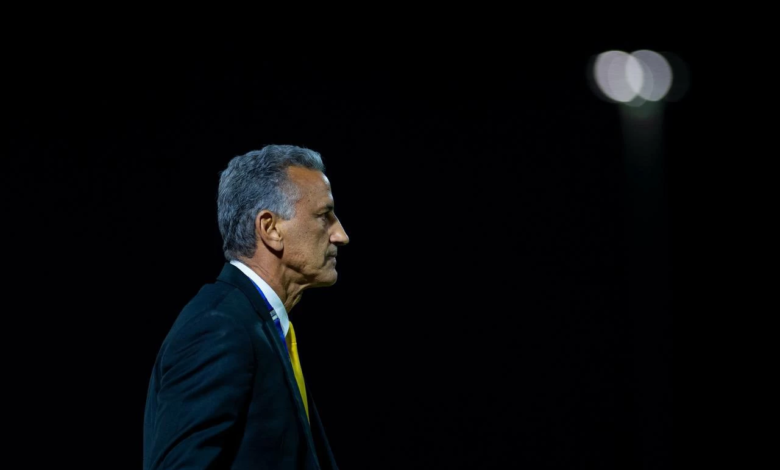
The issue of refereeing in the Saudi Professional League has once again become a major topic of discussion following the fiery statements made by Portuguese coach José Gomes, manager of Al-Fateh FC. Gomes has opened a wide-ranging debate about the continued reliance on foreign referees in the Saudi league, sharply criticizing the mechanism used to appoint refereeing teams for crucial matches. The Portuguese coach asserted that Saudi referees possess the competence and ability to be on par with their foreign counterparts, pointing to a double standard in media coverage of refereeing errors. He noted that mistakes by local referees are amplified while those of foreign referees are downplayed.
Historical context and development of refereeing in Saudi football
Historically, the Saudi Arabian Football Federation has resorted to bringing in foreign referees to officiate major matches, such as derbies and classics, to relieve pressure on local referees and alleviate the intense media and fan pressure. With the tremendous development of the sports sector in the Kingdom and the recruitment of international football stars as part of the sports transformation project, the need to raise the standard of refereeing has increased. However, many experts believe that marginalizing local referees could harm the future of Saudi refereeing in the long run, especially as the Kingdom strives to develop all its sports personnel to meet global standards and high levels of professionalism.
Details of the crisis surrounding the Al-Fateh vs. Al-Hilal match
Gomez's remarks came during the pre-match press conference ahead of his team's highly anticipated clash against Al-Hilal. The coach used the opportunity to recall last season's controversial encounter, which ended in a 3-4 defeat for Al-Fateh despite his team's strong attacking performance and five goals. Gomez bitterly pointed out that the foreign refereeing team in that match disallowed two of his team's goals while awarding a highly questionable goal to Al-Hilal. The coach asked frankly, "Since we are the home team, why are we denied the right to choose the refereeing team? Why can't we use Saudi referees if that's what we want? And how is it that some clubs are allowed to request foreign referees for all their matches, whether home or away?".
Expected impact on the sports system
These legitimate questions have reignited the debate surrounding transparency in referee selection within local and regional sporting circles. The Saudi League is no longer merely a local affair; it has become a global phenomenon, with its matches broadcast in dozens of countries. Consequently, any controversy concerning refereeing fairness could negatively impact the tournament's international reputation. This situation necessitates that the Saudi Professional League and the Saudi Arabian Football Federation establish strict and clear regulations that precisely define when and how clubs are entitled to request foreign referees, and whether financial cost is the sole obstacle or if other regulatory considerations govern this matter.
In conclusion: Towards a more professional sporting environment
In conclusion, this controversy comes at a sensitive time as the Saudi League seeks to enhance its professionalism and solidify its position as one of the best leagues in the world. Ensuring fairness and transparency in the mechanisms for appointing referees, whether local or foreign, is fundamental to maintaining the trust of clubs, players, and the wider public. Furthermore, supporting Saudi referees and providing a suitable environment for their development, while protecting them from negative media hype, will undoubtedly contribute to the advancement of the entire Saudi football system.