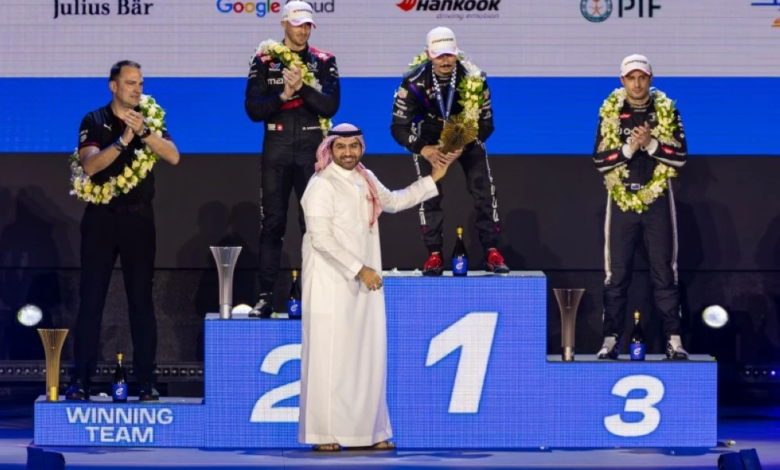

في جولة اتسمت بالإثارة والندية العالية، نجح السائق الألماني باسكال فيرلاين، نجم فريق «تاغ هوير بورش»، في خطف الأضواء خلال منافسات الجولة الرابعة من بطولة العالم لسباقات «فورمولا إي» للسيارات الكهربائية. وقد أثبت فيرلاين أن الفوز في هذه السباقات لا يعتمد فقط على السرعة القصوى، بل يرتكز بشكل أساسي على الذكاء الاستراتيجي وإدارة الموارد المتاحة داخل المضمار.
استراتيجية الطاقة: مفتاح التفوق لـ «بورش»
أكد فيرلاين في تصريحاته عقب التتويج أن الاستراتيجية التي وضعها الفريق كانت العامل الحاسم خلف هذا الانتصار. وأوضح أن السباقات الكهربائية الحديثة تتطلب توازناً دقيقاً بين الهجوم والدفاع، مشيراً إلى أن الحفاظ على الفارق الزمني مع صاحب المركز الثاني كان يتطلب إدارة استثنائية لطاقة البطارية، خاصة في اللفات الخمس الأخيرة التي عادة ما تشهد استنزافاً كبيراً للموارد.
وأضاف السائق الألماني: «تمكنت من توسيع الفارق مع إدواردو بفضل الاستخدام الذكي للوضع التقني للسيارة. الأمر المميز في هذا السباق هو خوض منافسة نظيفة تعتمد على المهارة البحتة دون الحاجة إلى الاحتكاكات الخطرة في المنعطفات أو مناطق التوقف، مما يعكس نضج المنافسة في البطولة».
تحديات المنافسين وصعوبة التجاوز
على الجانب الآخر، لم تكن المهمة سهلة لبقية السائقين. فقد عبر السويسري إدواردو مورتارا، سائق فريق «ماهيندرا ريسينغ»، عن مشاعر مختلطة بعد حلوله في المركز الثاني. ورغم تحقيقه لمنصة التتويج، إلا أن مورتارا أشار إلى أن الانطلاقة لم تكن مثالية بسبب الازدحام الشديد في بداية السباق، وهو أمر شائع في حلبات الشوارع الضيقة التي تميز سباقات الفورمولا إي.
وشدد مورتارا على أهمية الجولة القادمة، مؤكداً أن الفريق بحاجة إلى تحضير أقوى ودقة أكبر في حسابات استهلاك الطاقة لضمان المنافسة على المركز الأول، وليس فقط الاكتفاء بمراكز الوصافة.
نظام الهجوم وتعقيدات السباق
من جانبه، وصف النيوزيلندي ميتش إيفانز، سائق فريق «جاكوار تي سي إس ريسينغ» الذي حل ثالثاً، السباق بأنه فاق التوقعات من حيث الصعوبة البدنية والذهنية. ويُعد نظام «وضع الهجوم» (Attack Mode) الذي أشار إليه إيفانز أحد أبرز الابتكارات في عالم الفورمولا إي، حيث يُلزم السائقين بالخروج عن خط التسابق المثالي للمرور عبر مناطق تفعيل محددة للحصول على دفعة طاقة إضافية مؤقتة.
وأوضح إيفانز أن هذا النظام يمنح الجماهير بُعداً تنافسياً مثيراً، لكنه يضع عبئاً كبيراً على السائقين لاتخاذ قرارات مصيرية في أجزاء من الثانية. واختتم حديثه بالتأكيد على أن الحصول على المركز الثالث وسط هذه الظروف يعد دليلاً على قوة فريق جاكوار وقدرته على إدارة الأزمات داخل الحلبة، متطلعاً لتحقيق نتائج أفضل في الجولات المستقبلية.
وتعكس هذه النتائج التطور الكبير الذي تشهده رياضة السيارات الكهربائية، حيث باتت التكنولوجيا وكفاءة إدارة الطاقة تلعب دوراً يوازي مهارة السائق، مما يجعل من كل جولة درساً في التكتيك والسرعة.