2026 World Cup Crisis: Will Foxborough withdraw from hosting due to funding issues?

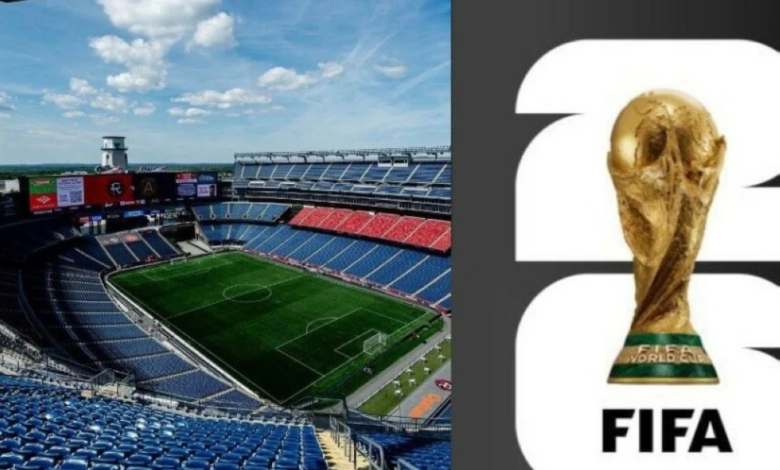
Plans for Foxborough, Massachusetts, to host the 2026 World Cup have taken a serious turn, potentially jeopardizing the city's dream of hosting the global event. A severe financial crisis related to security and safety costs has emerged, prompting local authorities to threaten a shocking decision: withdrawing from hosting and canceling the events scheduled at the iconic Gillette Stadium, unless the financial situation is addressed before it's too late.
In detailing the crisis, City Manager Paige Duncan sent a strongly worded official letter to the organizing committee and relevant parties, revealing a funding gap of approximately $8 million. This sum represents the budget needed to cover public safety and security measures during the tournament. Duncan explained in her letter that the city lacked the resources to cover this shortfall, setting a firm condition that the funds be secured and the sources of funding clarified by mid-March. Her stark warning stated: "Without a signed and fully funded agreement that protects Foxborough taxpayers from financial risk, there will be no World Cup in Foxborough.".
A long history and legitimate concerns
This isn't the first time the area has been associated with major sporting events. Gillette Stadium (and its predecessor) boasts a rich sporting heritage, having hosted memorable matches during the 1994 World Cup and the 1999 Women's World Cup. The stadium is home to the New England Patriots (American football) and the New England Revolution (soccer), making it a cornerstone of the United States' sports infrastructure. However, the local officials' insistence on not burdening taxpayers with additional costs reflects a shift in how host cities approach major events, with economic viability and protecting local budgets becoming a higher priority than the event's media hype.
The importance of the event and its anticipated impact
The 2026 FIFA World Cup holds exceptional significance as the first edition to feature 48 teams instead of 32, and will be co-hosted by the United States, Canada, and Mexico in an unprecedented joint bid. Gillette Stadium is scheduled to host seven matches, including group stage fixtures, a Round of 32 match, and a quarterfinal. Therefore, Foxborough's withdrawal will not only represent a loss of venue but will also create significant logistical challenges for FIFA and the organizing committee, given the stadium's strategic location and large capacity, which serves the entire Boston and New England region.
This financial predicament has put all parties in a frantic race against time. While sports fans eagerly anticipate seeing world-class stars in Massachusetts, the final decision hinges on the ability of organizers and donors (both governmental and private) to bridge the $8 million funding gap. If a solution isn't reached by the March deadline, the region could lose out on significant anticipated economic and tourism revenue, but it will have, in turn, achieved a victory for the principle of preserving local public funds.