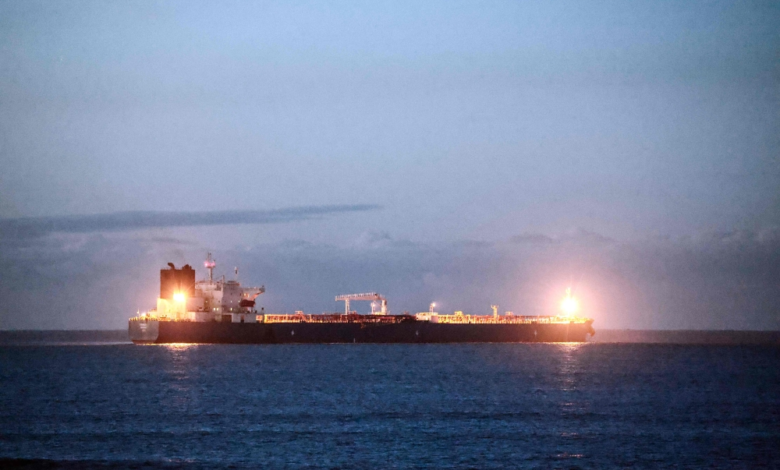

In a move reflecting escalating European measures against attempts to circumvent international sanctions, French authorities announced on Sunday the arrest of the Indian captain of the oil tanker "Greenwich," which is strongly suspected of belonging to what has become known globally as the Russian "ghost fleet." This arrest came after the French navy intercepted the vessel for not flying any national flag, a clear violation of international maritime law.
Details of the interception and detention process
Official sources reported that the French Navy spotted the tanker in the Mediterranean Sea last Thursday. Following the interception, the vessel was escorted on Saturday to the Bay of Fos, located in southern France near the coastal city of Marseille. The tanker is currently under heavy guard, anchored approximately 500 meters off the coast of Martigues, surrounded by a warship and two French gendarmerie patrol boats to ensure it does not move.
The public prosecutor's office in Marseille, which took over the investigation, explained that the 58-year-old captain had been detained for questioning, while the rest of the crew, all of whom are of Indian nationality, were to remain on board the detained ship until the necessary legal procedures were completed.
What is a “ghost fleet” and why is it a cause for concern?
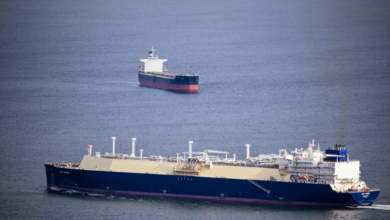
This incident highlights the phenomenon of the “ghost fleet,” a vast network of aging ships and oil tankers used by Russia and other sanctioned countries to export oil beyond Western oversight. These vessels typically resort to illegal practices such as disabling their Automatic Identification System (AIS) transponders, frequently changing flags, or sailing under false flags to conceal their identity, route, and cargo origin.
The tanker "Greenwich" is suspected of being part of this system that allows Moscow to continue pumping oil to global markets, exceeding the price ceiling imposed by the G7 and the European Union in the wake of the Russian-Ukrainian war. These ships are considered environmental time bombs, as they are often dilapidated and lack proper international insurance, making any oil spill an environmental disaster with difficult-to-manage financial and legal repercussions.
Legal and geopolitical dimensions
This French move sends a firm message that European countries are beginning to tighten the noose on the maritime routes used by Russia in the Mediterranean. In addition to violating economic sanctions, these vessels pose a threat to maritime security and the safety of navigation in busy European waters. The captain is expected to face charges related to violating maritime law, and potentially additional charges if the vessel is found to have been involved in transporting oil shipments that violated sanctions.