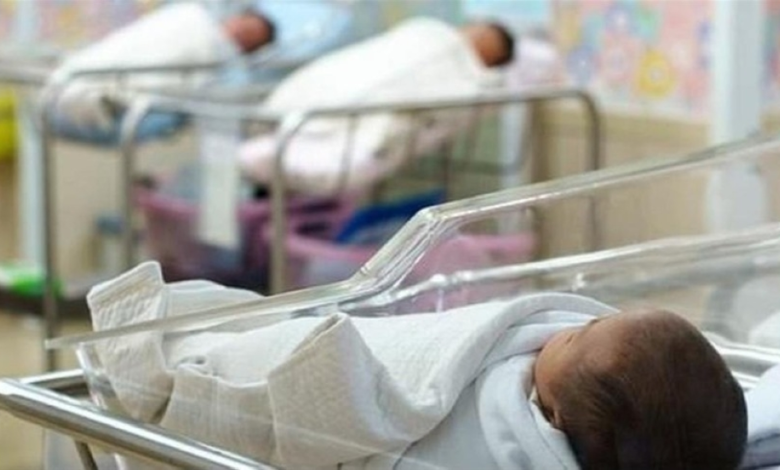

في إنجاز طبي غير مسبوق وصفه الخبراء بأنه "سابقة عالمية"، نجح فريق طبي فرنسي في إنقاذ حياة جنين كان يواجه خطر الموت المحتم داخل رحم والدته، وذلك بعد تشخيصه بورم وعائي نادر وخطير. هذه العملية الرائدة جرت في مستشفى بمدينة مولوز شرق فرنسا، وتفتح باب الأمل لعلاج حالات مماثلة كانت تعتبر في السابق مستعصية.
تفاصيل التشخيص الخطير
بدأت القصة في أواخر الشهر السابع من الحمل، عندما اكتشف الأطباء إصابة الجنين بـ "متلازمة كاسباخ-ميريت" (Kasabach-Merritt syndrome). هذا المرض النادر يتمثل في وجود ورم وعائي دموي ضخم ينمو بسرعة، مما يؤدي إلى استهلاك الصفائح الدموية وتخثر الدم، ويشكل خطراً كبيراً على حياة الجنين. وفي هذه الحالة تحديداً، كان الورم يقع عند مستوى الرقبة وينمو بسرعة هائلة وصلاً إلى الوجه، مما كان يهدد بانسداد المجاري التنفسية للجنين واختناقه، وفقاً لما صرح به الدكتور كريس مينيلا، طبيب التوليد في مستشفى الأم والطفل في مولوز.
بروتوكول علاجي مبتكر عبر المشيمة
أمام هذا الوضع الحرج، وبدلاً من اللجوء إلى الجراحات الجنينية المعقدة وعالية الخطورة، تم التنسيق مع البروفيسور لوران غيبو، الخبير في التشوهات الوعائية من مستشفى ليون. اقترح الفريق الطبي نهجاً علاجياً مبتكراً يعتمد على إعطاء الأم دواء "سيروليموس" (Sirolimus). هذا العقار، المعروف باستخدامه عادة لمنع رفض الأعضاء المزروعة أو لعلاج بعض الأورام، تم استخدامه هنا بهدف عبور الحاجز المشيمي والوصول إلى الجنين.
تعتمد فكرة العلاج على قدرة الدواء على كبح نمو الأوعية الدموية غير الطبيعية. وبالفعل، بعد تناول الأم للدواء عن طريق الفم، انتقلت المادة الفعالة عبر المشيمة إلى دماء الجنين، مما أدى إلى وقف نمو الورم وتقليص حجم الكتلة التي كانت تضغط على القصبة الهوائية، في سابقة هي الأولى من نوعها عالمياً لهذا النوع من الأورام وبهذه الطريقة.
ولادة "عيسى" وبداية حياة جديدة
تكللت الجهود الطبية بالنجاح مع ولادة الطفل "عيسى" في 14 نوفمبر، عبر عملية قيصرية. ورغم المخاوف الأولية، أثبتت الفحوصات بعد الولادة فعالية العلاج الذي تلقاه وهو جنين. اليوم، يبلغ عيسى من العمر ثلاثة أشهر، ويتمتع بصحة جيدة ومزاج رائق.
وصفت والدته، فيفيان (34 عاماً)، حالة طفلها قائلة: "بالرغم من وجود بقايا للورم، إلا أنه يأكل وينمو بشكل طبيعي جداً". ويخضع الطفل حالياً لمتابعة طبية دقيقة ومنتظمة في المستشفى، مع استمراره في تلقي جرعات علاجية من دواء سيروليموس لضمان السيطرة الكاملة على الورم وتلاشيه تدريجياً.
أهمية الإنجاز وتأثيره المستقبلي
يكتسب هذا الحدث أهمية طبية بالغة تتجاوز الحالة الفردية؛ فهو يثبت إمكانية علاج الأورام الوعائية الجنينية دوائياً عبر الأم، مما يقلل الحاجة للتدخلات الجراحية داخل الرحم التي قد تعرض حياة الأم والجنين للخطر. يمثل هذا النجاح الفرنسي بارقة أمل للعائلات التي تواجه تشخيصات مماثلة، ويؤسس لبروتوكولات علاجية جديدة في طب الأجنة الدقيق.