France maintains its diplomatic approach with Iran, while Trump sets a 15-day deadline

Amid escalating geopolitical tensions in the Middle East, France has reiterated its call for dialogue and reason, emphasizing that diplomacy remains the best and only option to ensure that Tehran does not acquire nuclear weapons. These French statements come at a critical juncture in relations between Washington and Tehran, with the US threatening military action and setting tight deadlines for reaching an agreement.
The French position: There is no alternative to negotiation
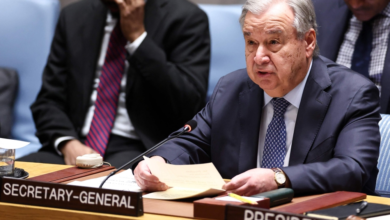
The French Foreign Ministry, through its spokesperson Pascal Confavreau, confirmed that Paris is monitoring the rapidly evolving situation "hour by hour," noting ongoing and intensive coordination with US authorities. Confavreau stated in a press briefing, "We tell the parties involved that the priority must be negotiation, as it is the only way to permanently prevent Iran from acquiring a nuclear weapon." The French diplomat also reiterated his country's rejection of the idea of "regime change" through foreign intervention, asserting that sustainable solutions come through political agreements, not military operations.
Trump's deadline: 15 days or "bad things"
Across the Atlantic, US President Donald Trump adopted a more confrontational tone, giving the Iranian leadership a maximum of 10 to 15 days to reach a "viable deal." During the inaugural meeting of the "Peace Council" in Washington, Trump stated, "It has been proven over the years that it is not easy to reach a viable deal with Iran. We have to reach a deal, or bad things will happen." He added, hinting at the possibility of escalation, "We may have to go a step further, or we may not. You'll probably find out in the next 10 days.".
Historical context and nuclear complexities
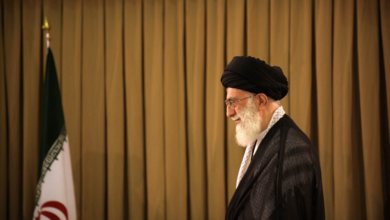
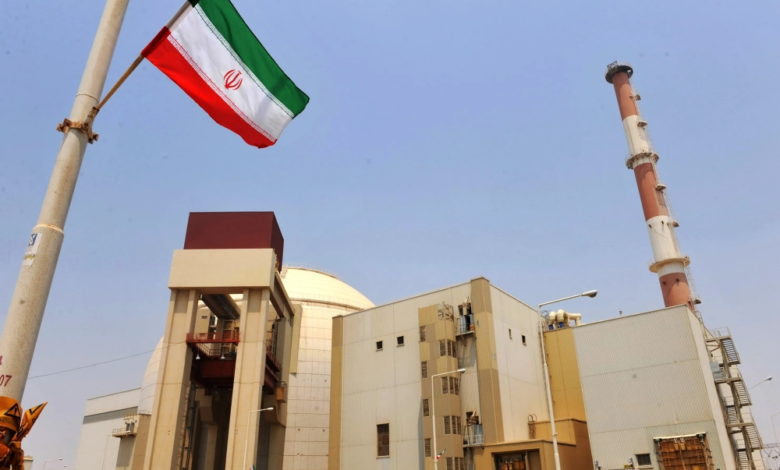
To understand the depth of the current crisis, one must examine the historical background of the Iranian nuclear issue. Since the United States unilaterally withdrew from the Joint Comprehensive Plan of Action (JCPOA) in 2018, relations have been caught in a spiral of maximum economic sanctions, met by an accelerated Iranian nuclear program. Tehran, which has recently defended its right to enrich uranium, insists that its program is peaceful, while the West maintains that current enrichment levels bring it closer to the military threshold. This divergence in perspectives has made it difficult to bridge the gap between the two sides, despite numerous rounds of indirect negotiations.
Potential regional and international repercussions
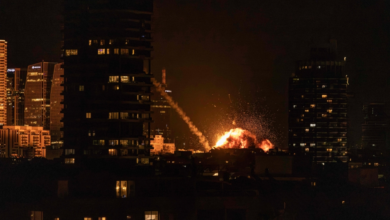
These developments are of paramount importance given their direct impact on international peace and security. The US threat of military action, coupled with the deployment of significant naval and air forces to the region, raises concerns about a potential large-scale conflict that could draw in other countries in the region. Observers believe that the failure of the diplomatic track could destabilize global energy markets and threaten vital shipping lanes. Therefore, European powers, particularly France, are seeking to play a mediating role to de-escalate the situation and avert an open confrontation, the consequences of which could be catastrophic for all.