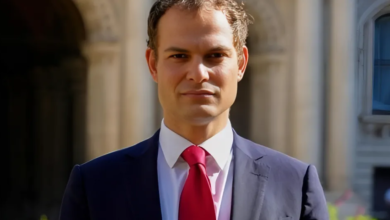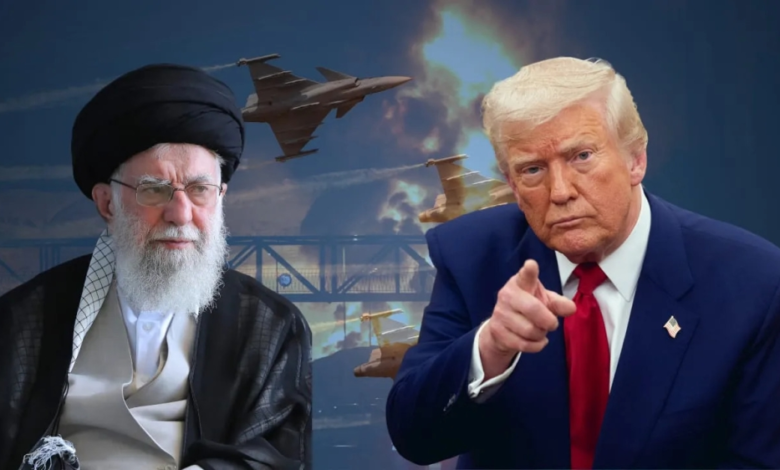

في تصعيد لافت للغة الدبلوماسية الغربية تجاه طهران، وجه وزير الخارجية الفرنسي، جان نويل بارو، تحذيراً شديد اللهجة إلى النظام الإيراني، داعياً إياه إلى اتخاذ قرارات مصيرية وتقديم "تنازلات كبرى" لتجنب سيناريو كارثي يتمثل في ضربات عسكرية أمريكية محتملة على الأراضي الإيرانية.
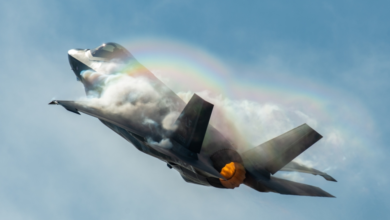
جاءت هذه التصريحات في مقابلة أجراها الوزير الفرنسي مع صحيفة "ليبيراسيون" ونُشرت يوم الأحد، حيث رسم صورة قاتمة للخيارات المتاحة أمام طهران. وأوضح بارو أن الولايات المتحدة الأمريكية باتت في وضع ميداني وعسكري يسمح لها بشن عمليات نوعية ضد أهداف إيرانية، مشيراً في الوقت ذاته إلى أن واشنطن تركت الباب موارباً أمام الحل الدبلوماسي، وهو مسار يتعين على القيادة الإيرانية اغتنامه قبل فوات الأوان.
شروط النجاة: تغيير النهج داخلياً وخارجياً
لم يكتفِ الوزير الفرنسي بالحديث عن التهديد العسكري، بل حدد ملامح التغيير المطلوب من طهران. وأكد أن على إيران التوقف فوراً عن كونها مصدراً لزعزعة الاستقرار في الجوار الإقليمي، في إشارة واضحة إلى نفوذها عبر وكلائها في المنطقة، بالإضافة إلى ضرورة الكف عن تهديد المصالح الأمنية الغربية. وعلى الصعيد الداخلي، ربط بارو بين استقرار النظام ومنح الحريات، داعياً السلطات إلى وضع حد لسياسات القمع، ووقف الإعدامات، وإطلاق سراح السجناء السياسيين، وإعادة خدمة الإنترنت للشعب الإيراني الذي "يجب أن يستعيد حريته".
السياق الإقليمي والضغط الأمريكي الأقصى
تأتي هذه التحذيرات في وقت تشهد فيه منطقة الشرق الأوسط توتراً غير مسبوق، حيث تسعى القوى الدولية لضبط إيقاع الطموحات النووية الإيرانية وكبح جماح نفوذها الإقليمي. ويرى مراقبون أن الدعوة الفرنسية لتقديم تنازلات تعكس قناعة أوروبية بأن صبر واشنطن قد نفد، وأن الخيار العسكري لم يعد مجرد تلويح بل أصبح خياراً مطروحاً على الطاولة بجدية، خاصة في ظل التعزيزات العسكرية الأمريكية الأخيرة في المنطقة.
ترامب: الأسطول يتحرك والمحادثات جارية
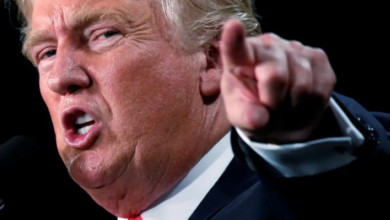
من جانبه، عزز الرئيس الأمريكي دونالد ترامب هذه المخاوف بتصريحات لشبكة "فوكس نيوز"، مؤكداً أن طهران "تتحدث" حالياً مع الولايات المتحدة في محاولة لاحتواء الموقف. وأشار ترامب بلهجة حازمة إلى أن "الوقت ينفد"، مكرراً التذكير بأن أسطولاً أمريكياً ضخماً يتجه نحو المنطقة. وقال: "سنرى إذا كان بإمكاننا القيام بشيء عبر الدبلوماسية، وإلا سنرى ما سيحصل"، في إشارة ضمنية إلى الجاهزية القتالية للقوات الأمريكية.
تداعيات الفشل الدبلوماسي
إن فشل المسار التفاوضي الحالي قد يجر المنطقة إلى صراع مفتوح لا تحمد عقباه، حيث ستكون التداعيات وخيمة ليس فقط على الداخل الإيراني، بل على أمن الطاقة العالمي واستقرار دول الخليج العربي. وتضغط فرنسا، إلى جانب شركائها الأوروبيين، للدفع نحو اتفاق جديد يلزم طهران بضوابط صارمة، مقابل تجنب ضربات قد تستهدف البنية التحتية الحيوية والمنشآت النووية الإيرانية.