Umrah security plans 1447 AH: Security and traffic readiness to serve pilgrims

An inspection tour to assess field readiness
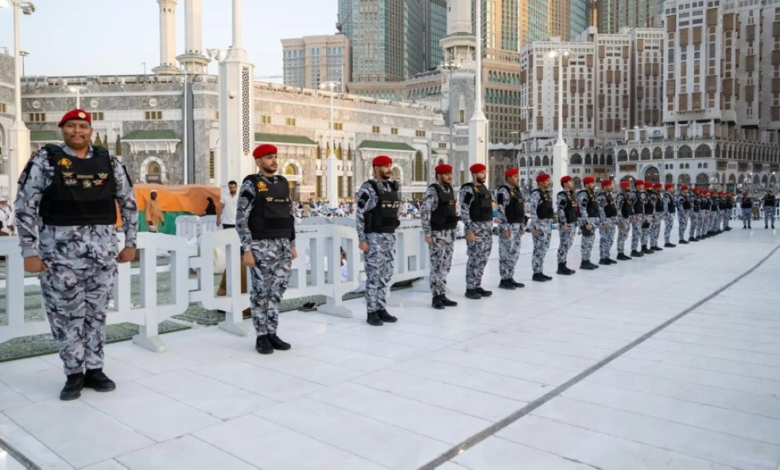
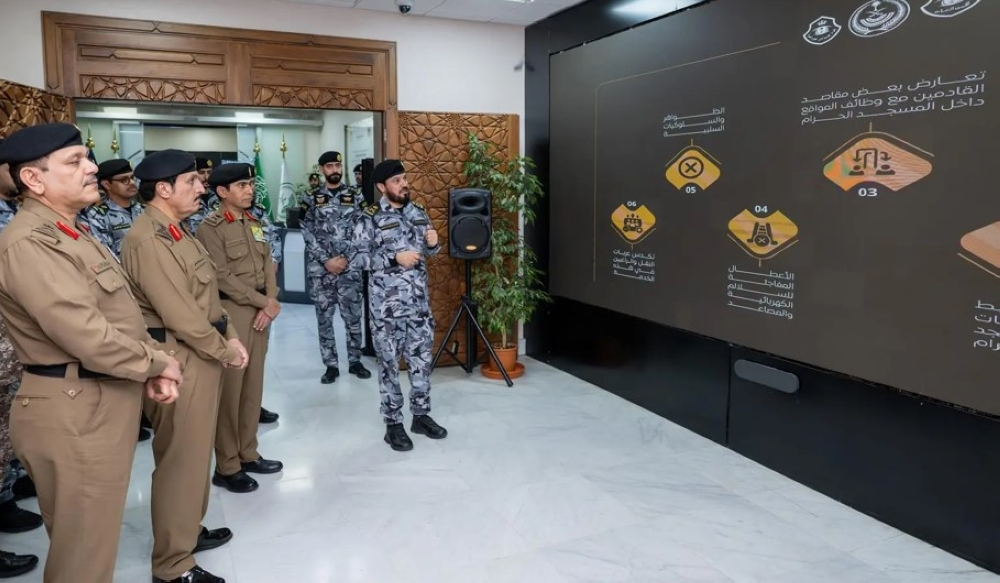
As part of the extensive preparations to receive pilgrims, His Excellency the Director of Public Security, Lieutenant General Mohammed bin Abdullah Al-Bassami, inspected the complete readiness of the security and traffic authorities responsible for implementing the operational plans for this year's Umrah season (1447 AH). This tour aimed to ensure the comprehensiveness of preparations and to provide the highest levels of security and safety for pilgrims and worshippers in the Grand Mosque and its courtyards.
The tour was attended by the commander of the Umrah security forces and a number of field commanders, where Lieutenant General Al-Bassami was briefed on a comprehensive presentation of the security and traffic plans, and witnessed a live simulation of field deployment, which reflected the high level of training and coordination between the various participating sectors to ensure smooth traffic flow and rapid response to any emergency.
Advanced strategies for managing crowds and density
Security plans for the 1447 AH Umrah season are of particular importance due to the increasing number of pilgrims, necessitating the development of advanced crowd management strategies. The Director of Public Security's tour included inspecting the pedestrian and worshipper routes within the Grand Mosque and its surrounding courtyards to ensure they were clear of obstacles and ready to accommodate the anticipated crowds, thus guaranteeing ease of movement and the performance of rituals with peace and convenience.
Security and traffic integration to serve the pilgrims
The plan adopted for this season is based on complete harmony between security and traffic management. In addition to a heavy security presence to maintain order, precise traffic plans have been put in place to regulate vehicle movement in the Holy City and on the roads leading to the central area. These measures aim to alleviate traffic congestion and facilitate pilgrims' access to the Grand Mosque, while also allocating dedicated lanes for public and shuttle transportation, which plays a crucial role in transporting visitors.
Strategic dimension and keeping pace with the Kingdom's vision
These early and meticulous preparations reflect the directives of the wise leadership—may God support them—which prioritizes serving the Two Holy Mosques and their visitors. These efforts align with the objectives of the Kingdom's Vision 2030, which aims to increase the capacity for Umrah pilgrims and enrich their religious and cultural experience. Security preparedness is the cornerstone that enables other service providers to perform their duties, thus showcasing the Kingdom's distinguished image in managing the world's largest human gatherings with efficiency and competence.