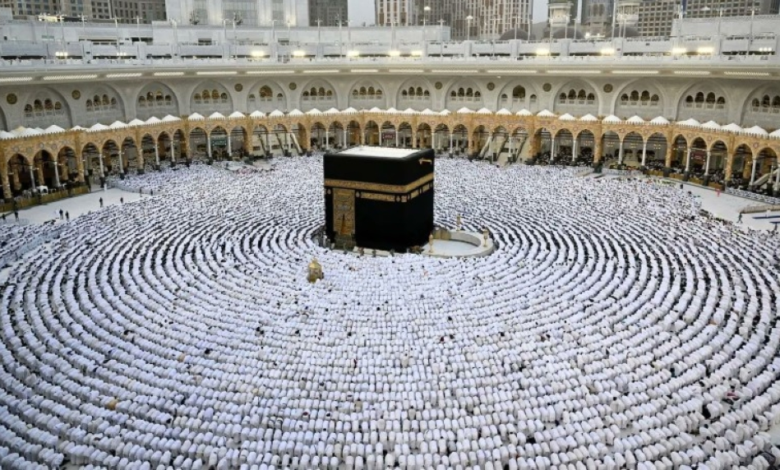

The Imam and preacher of the Grand Mosque in Mecca, Sheikh Dr. Bandar bin Abdulaziz Balila, advised all Muslims to fear God Almighty and urged them to thank Him for His manifest and hidden blessings. This came during his Friday sermon delivered today at the Grand Mosque, where he addressed a crucial aspect of faith that touches the life of every Muslim: “joy.” He explained that one of the greatest blessings a servant can receive is to rejoice in obeying his Lord and to feel the impact of this obedience in his heart and behavior. He emphasized that joy in obedience is conclusive proof of a living heart and its connection with its Creator, may He be glorified and exalted.
General context and historical significance of the sermons of the Grand Mosque
The Friday sermon at the Grand Mosque in Mecca holds immense historical, religious, and Islamic significance, serving as a global platform for guidance eagerly awaited by millions of Muslims worldwide each week. These sermons are part of the Kingdom of Saudi Arabia's ongoing efforts to care for the Two Holy Mosques and disseminate the tolerant message of Islam to all corners of the globe. The sermons are translated into multiple languages through the platforms of the General Presidency for the Affairs of the Two Holy Mosques, thus amplifying the profound spiritual insights conveyed by imams of the Grand Mosque, such as Sheikh Bandar Balila, to Muslims across the world, thereby reinforcing the correct understanding of Islamic doctrine and virtuous Islamic ethics.
Types of joy: praiseworthy and blameworthy
In his sermon, Sheikh Dr. Bandar Balila explained that God Almighty has instilled joy in humankind, providing multiple motivations and avenues for it, whether related to worldly blessings or the bliss of the Hereafter. He divided joy into two main types: the first is “praiseworthy joy,” which arises from knowing and loving God, recognizing His blessings and favors, and appreciating the guidance and success He bestows upon His servants. This type cultivates gratitude, submission, and humility in the believer's heart. The second type is “blameworthy joy,” which stems from excessive attachment to worldly things, accompanied by arrogance, conceit, and insolence, thus distancing the servant from his Lord and plunging him into the mire of heedlessness.
Rejoicing in obedience and God's favor
The Imam of the Grand Mosque explained that the true joy believers should strive for is joy in God's grace and mercy, citing the verse: "Say, 'In the bounty of God and in His mercy—in that let them rejoice; it is better than what they accumulate.'" He clarified that God's grace is manifested in guidance and faith, while His mercy is revealed in the Holy Quran and the guidance and healing it contains. He pointed out that one of the greatest forms of praiseworthy joy is the joy of the heart in the Holy Quran and the joy of completing acts of worship, such as the joy upon completing the fast of Ramadan, where the Muslim experiences two joys: the joy of breaking the fast and the greater joy of meeting his Lord with the good deeds he has performed. He also noted that God Almighty rejoices in the repentance of His servant with a joy befitting His majesty, which should motivate the Muslim to hasten to return to God.
Completing the seasons of obedience and righteousness
Sheikh Balila emphasized that it is a blessing from God for a servant to rejoice in completing seasons of worship and to thank God for enabling him to attain them and for His assistance in performing them. He called for building upon the fruits of these acts of worship after their conclusion and continuing on the path of righteousness. He stressed that one of the signs of acceptance of deeds is for a servant to follow one good deed with another, such as fasting the six days of Shawwal in emulation of the Sunnah of the Prophet, peace and blessings be upon him. He explained that the true joy that fills the heart of a believer is joy in God Almighty, which is the foundation of happiness in this world and the reason for success in the Hereafter, and it can only be achieved through sincere faith and righteous deeds.
The local, regional, and international impact of the sermon
Such sermons carry profound significance on all levels. Locally, they contribute to strengthening the religious and spiritual awareness of visitors to the Grand Mosque, as well as citizens and residents, guiding them towards righteousness and moderation. Regionally and internationally, the sermon from the Grand Mosque in Mecca serves as a spiritual reference point for millions of Muslims, reinforcing the unity of the Muslim Ummah around shared faith-based principles and highlighting the tolerance and moderation of Islam. Emphasizing the praiseworthy joy associated with spirituality and distancing oneself from the blameworthy joy associated with pure materialism offers a psychological and spiritual solution to the material challenges of our time, reflecting the Kingdom's leading role in spreading peace and tranquility throughout the Muslim world.