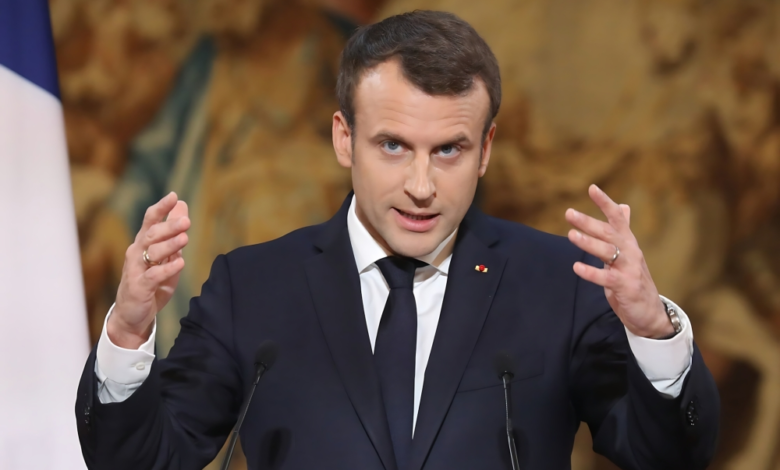

Emergency G7 meeting to contain the crisis
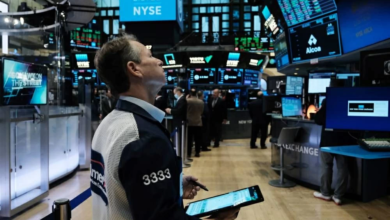
Amidst rapidly evolving geopolitical developments, French President Emmanuel Macron will convene an emergency videoconference meeting of the G7 heads of state and government at 3:00 PM today, Wednesday. This high-level meeting aims to discuss the profound economic repercussions of the war and escalating tensions in Iran, with a particular focus on global energy security and urgent measures to contain the crisis, according to an official statement from the Élysée Palace.
The Élysée Palace explained in its statement that this virtual summit “will be the first and most important discussion among G7 members on this complex issue.” The statement emphasized that joint economic coordination among the major industrialized nations is a fundamental pillar for ensuring an effective and beneficial response to the current situation, noting that France holds the G7 presidency, which places upon it the responsibility of steering the course toward global economic stability.
Historical context and importance of the Strait of Hormuz
These developments are of paramount importance given the region's historical and geographical context. The Middle East, and specifically the Strait of Hormuz bordering Iran, is the most vital artery for global energy flows. Historically, approximately 20% of the world's daily oil consumption passes through this strategic strait. Any threat or outbreak of armed conflict in this geographical area automatically triggers panic in financial markets, bringing to mind historical oil crises that have shaken the global economy and led to waves of inflation and recession.
Use of strategic oil reserves
To address these challenges, French President Emmanuel Macron hinted on Monday at the possibility of G7 countries tapping into their strategic oil reserves. This potential move comes as a serious effort to contain the sharp and sudden rise in crude oil prices, fueled by the conflict in Iran and fears that it could spread to other oil-producing countries in the region, potentially disrupting global supply chains.
The strategic petroleum reserve is a crucial tool possessed by major countries and the International Energy Agency, to be used exclusively in extreme emergencies and supply disruptions, with the aim of balancing supply and demand and curbing inflation that could hit energy-importing economies and affect the purchasing power of consumers around the world.
Price fluctuations and the impact of political statements
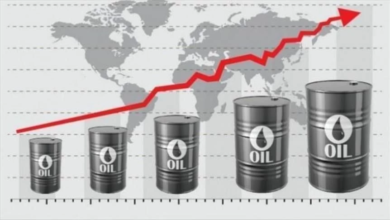
On the ground, oil prices experienced sharp fluctuations. After a period of dramatic increases that saw prices peak at $120 a barrel on Monday, markets experienced a significant decline on Tuesday. This rapid drop followed reassuring statements by US President Donald Trump, who emphasized that the military confrontation with Iran would end soon, thus easing tensions and anxieties among energy traders.
The role of the International Energy Agency in reassuring investors
In a related development, the announcement by member states of the International Energy Agency on Tuesday of an emergency meeting to assess the security of oil supplies helped calm markets. The meeting extensively discussed the possibility of a coordinated release of strategic petroleum reserves. These coordinated diplomatic and economic moves played a pivotal role in reassuring investors and sending a strong message that the international community is prepared to intervene decisively to prevent a global energy shock.