
فلسفة النجاح بين غامبا أوساكا والأندية ذات الإنفاق الضخم
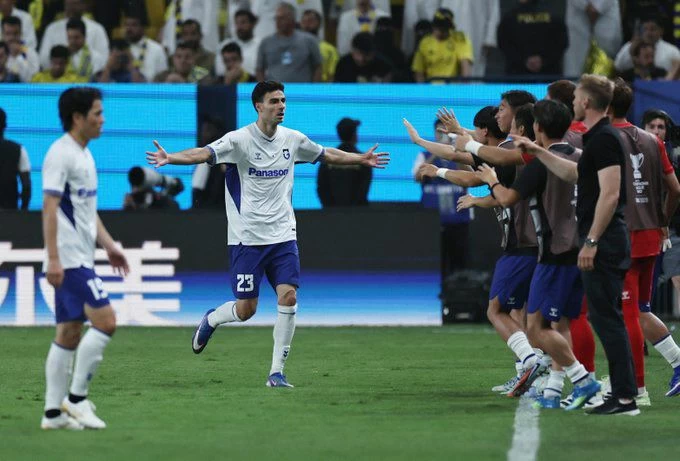
في عالم كرة القدم الحديثة، حيث تسيطر لغة المال والصفقات المليارية على المشهد الرياضي، نجح نادي غامبا أوساكا الياباني في تقديم درس كروي بليغ يؤكد أن المجد والبطولات لا يمكن شراؤها بالمال وحده. لقد خطف الفريق الياباني العريق الأضواء وبقوة خلال منافسات بطولة دوري أبطال آسيا 2، متوجاً مسيرته الاستثنائية بالحصول على اللقب القاري الثمين. هذا الإنجاز لم يكن مجرد انتصار عابر، بل جاء ليضع مقارنة صريحة ومباشرة مع أندية تمتلك قدرات مالية هائلة، وفي مقدمتها نادي النصر السعودي الذي يضم كتيبة مدججة بألمع نجوم كرة القدم العالميين وبقيمة سوقية ضخمة جداً مقارنة بمنافسيه في القارة الصفراء.
مقارنة القيمة السوقية: تفوق التكتيك على المال
وبالنظر إلى لغة الأرقام التي تحكم عالم الساحرة المستديرة اليوم، نجد مفارقة عجيبة تعكس اختلاف فلسفة النجاح بين الأندية. فالقيمة السوقية الإجمالية لنادي غامبا أوساكا الياباني لا تتجاوز حاجز الـ 15.43 مليون يورو، وهو رقم يبدو متواضعاً للغاية إذا ما تمت مقارنته بالقيمة السوقية لنادي النصر السعودي والتي تصل إلى نحو 135 مليون يورو. ورغم هذا الفارق المالي الشاسع الذي يميل لصالح الفريق السعودي، إلا أن غامبا أوساكا نجح في التفوق رياضياً وفنياً داخل المستطيل الأخضر، ليخطف اللقب الآسيوي بجدارة واستحقاق، مثبتاً أن التكتيك المدروس والانسجام بين اللاعبين يمكن أن يتغلب على الفوارق المالية الكبيرة.
السياق التاريخي وإرث غامبا أوساكا في آسيا
لفهم هذا النجاح، يجب العودة إلى السياق التاريخي لنادي غامبا أوساكا، والذي يعتبر واحداً من أعمدة كرة القدم اليابانية. يمتلك الفريق إرثاً كبيراً في القارة الآسيوية، حيث سبق له التتويج بلقب دوري أبطال آسيا في نسخته السابقة عام 2008. وفي ذلك العام، سطر النادي الياباني اسمه بأحرف من ذهب عندما شارك في كأس العالم للأندية، وقدم مباراة تاريخية لا تُنسى أمام نادي مانشستر يونايتد الإنجليزي في نصف النهائي، والتي انتهت بفوز الفريق الإنجليزي بنتيجة 5-3 في واحدة من أمتع مباريات البطولة. هذا الإرث يوضح أن النادي يمتلك جينات البطولة وثقافة الفوز التي تتوارثها الأجيال المتعاقبة داخل أروقته.
تكافؤ تاريخي ورسالة للأندية الآسيوية
على الجانب الآخر، تتساوى الكفتان تاريخياً بين غامبا أوساكا والنصر السعودي على المستوى القاري. فقد حقق كل فريق بطولتين آسيويتين في تاريخه بمختلف المسميات، إلى جانب تسجيل مشاركة واحدة لكل منهما في بطولة كأس العالم للأندية. النصر شارك في النسخة الأولى عام 2000 بالبرازيل، بينما شارك غامبا أوساكا في نسخة 2008. هذا التكافؤ التاريخي يجعل من تفوق الفريق الياباني في الوقت الراهن رسالة واضحة المعالم، مفادها أن الاستدامة في النجاح تتطلب بناء منظومة رياضية متكاملة تعتمد على أكاديميات الشباب وتطوير المواهب المحلية، بدلاً من الاعتماد الكلي على استقطاب النجوم الجاهزين بأسعار خيالية.
تأثير التتويج بلقب دوري أبطال آسيا 2
إن تتويج غامبا أوساكا بلقب دوري أبطال آسيا 2 يحمل أهمية كبرى وتأثيراً بالغاً على المستويين الإقليمي والدولي. محلياً، يعزز هذا اللقب من مكانة الدوري الياباني كواحد من أفضل الدوريات الآسيوية التي تفرز مواهب قادرة على المنافسة الشرسة. وإقليمياً، يوجه رسالة للأندية الآسيوية الأخرى بأن النظام الجديد للبطولات الآسيوية يتيح الفرصة للأندية المنظمة تكتيكياً للتفوق. في النهاية، يؤكد غامبا أوساكا للعالم أجمع أن الإنجازات الكروية لا ترتبط دائماً بحجم الإنفاق المالي، بل هي ثمرة طبيعية للاستقرار الإداري، والعمل الجماعي الدؤوب، والهوية الفنية الواضحة التي لا تتأثر ببريق الأموال.