Military industries: A new policy to localize the maintenance of defense equipment

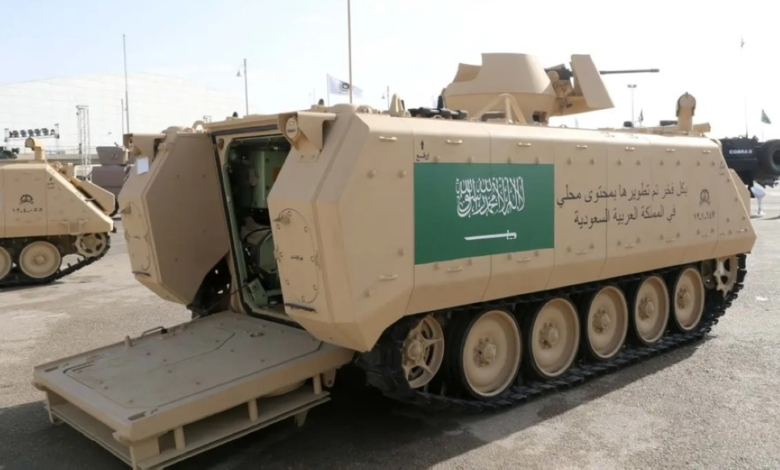
In a strategic move aimed at enhancing the Kingdom of Saudi Arabia's strategic independence, the General Authority for Military Industries (GAMI) announced a new policy through its "Istilaa" platform, aimed at localizing maintenance, repair, overhaul, and operation work for military equipment. This step comes as a pivotal part of GAMI's efforts to regulate the sector and clarify the roles between beneficiaries and contractors, thereby ensuring efficient spending and enhancing military readiness.
Strategic context within Vision 2030
This policy falls within the broader framework of the Kingdom’s Vision 2030, which aims to localize more than 50% of government military spending by 2030. Maintenance and operations (MRO) is a cornerstone of the defense systems lifecycle, with maintenance consuming a significant portion of defense budgets globally. By localizing this sector, the Kingdom seeks not only to reduce costs but also to ensure the continuity of supply chains and minimize reliance on foreign sources during critical times, thereby strengthening national security and sovereignty.
Policy scope and localization requirements
The new policy encompasses all maintenance work related to military and security procurement orders, covering all vital sectors including the air, land, and naval forces, as well as defense electronics and weaponry. The authority has established precise conditions to ensure the success of this approach, most notably:
- Early planning: Obliging beneficiaries to submit maintenance work plans 24 months before signing contracts, in order to accurately determine needs.
- Priority for local: Limiting maintenance contracts to local contractors when technical capability is available.
- Foreign partner ratio: If it is necessary to contract with a foreign contractor, the percentage of work carried out by him should not exceed 30% of the contract value, with the condition of transferring knowledge and technology.
Balance between readiness and localization
The Authority affirmed that localizing maintenance is a cornerstone for ensuring equipment readiness, but stressed that "military readiness" remains the top priority if immediate alignment with localization objectives proves impossible. To achieve this balance, localization will be implemented gradually and thoughtfully, giving local contractors sufficient time to build their technical and operational capabilities with the Authority's support, without negatively impacting the efficiency of the armed forces.
Expected economic and operational impacts
This regulation is expected to bring about a qualitative shift in the Saudi labor market by creating high-level technical and engineering job opportunities for Saudi nationals. It will also contribute to building a local industrial base capable of handling the most complex military technologies. The authority has established rigorous measurement and compliance mechanisms, including quarterly reports on progress and Saudization rates. The policy will come into effect 180 days after its publication, allowing sufficient time for both the public and private sectors to adapt to the new standards.