Gaza Agreement: Details of Phase Two and Efforts for a Controlled Transition

The second phase of the anticipated Gaza agreement is of paramount strategic importance to the ongoing negotiations, serving as the crucial bridge between initial confidence-building measures and a lasting ceasefire. The mediating parties—Egypt, Qatar, and the United States—are working to formulate precise mechanisms to ensure a smooth transition, overcoming the obstacles that have long hindered reaching a final agreement acceptable to all parties.
The essence of the second phase: challenges and opportunities
The second phase focuses on addressing the more complex and sensitive issues that were deliberately postponed from the first phase to facilitate the start of negotiations. While the first phase typically focuses on exchanging specific categories of prisoners and detainees and delivering humanitarian aid, the second phase aims to lay the groundwork for a permanent or long-term end to military operations. The greatest challenge here lies in the fundamental differences in interpretations between the two sides regarding the concept of "sustainable calm" and the conditions for the withdrawal of military forces from populated areas in the Gaza Strip.
The concept of "controlled transition"
The term “controlled transition,” circulating in diplomatic circles, refers to the necessity of strict international and regional guarantees to prevent the collapse of the agreement during the transition from one phase to the next. This concept aims to bridge the gap between the demand for a comprehensive and permanent ceasefire and the desire for transitional phases that could allow for a resumption of fighting later. Such a transition requires precise timetables for the return of displaced persons to their homes, the commencement of large-scale relief operations, and the restoration of vital infrastructure, ensuring that these issues are not used as political bargaining chips in the future.
Regional and international context and the impact of the setback
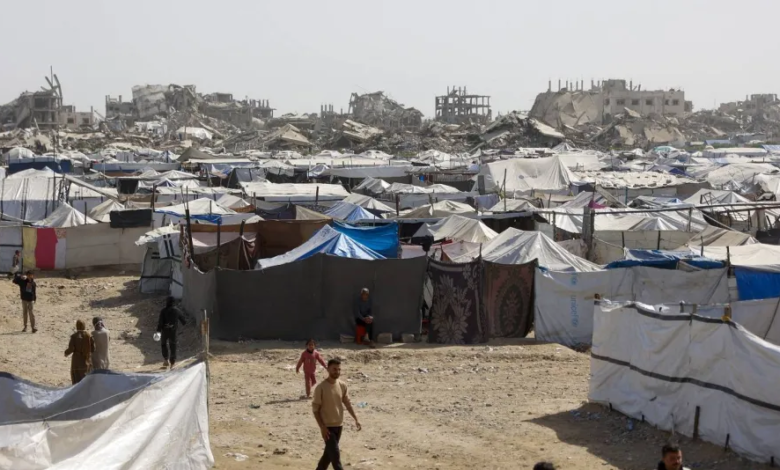
The success or failure of the Gaza agreement cannot be separated from the tense regional landscape. Continued stalemate in transitioning to the second phase not only exacerbates the catastrophic humanitarian situation in the Gaza Strip but also carries serious repercussions for the stability of the entire Middle East region. International powers recognize that failure to achieve this transition could lead to the conflict expanding to other fronts, threatening the security of waterways and the global economy. Therefore, the success of this phase is seen as a crucial safeguard for defusing escalating regional tensions.
Historical background and negotiation process
Historically, previous rounds of conflict in Gaza have resulted in ceasefire agreements of varying fragility. However, the current round is characterized by unprecedented complexities due to the scale of the destruction and the nature of the prisoner issue. Current efforts are based on previous proposals (such as those put forward in Paris and Cairo) that attempted to establish a three-phase framework. Nevertheless, the "second phase" remains the true test of political will, requiring substantial concessions and bold political decisions to move beyond a zero-sum mentality and toward realistic solutions that end the suffering of civilians and pave the way for reconstruction.