Cairo negotiations: Details of the second phase of the anticipated Gaza agreement

The Egyptian capital, Cairo, is witnessing intense and unprecedented diplomatic activity, with indirect meetings taking place between Palestinian faction delegations and mediators. The aim is to revive the stalled negotiations and reach a consensus that would allow for the transition to the second phase of the Gaza agreement . These meetings come at a highly critical juncture, amidst mounting international and regional pressure to halt the bloodshed and end the escalating humanitarian crisis in the Gaza Strip.
Context of the negotiations and historical background
This round of talks comes as a continuation of the mediation efforts led by Egypt, Qatar, and the United States since the outbreak of war on October 7th. The negotiation process has seen numerous twists and turns, most notably the temporary humanitarian truce last November, which allowed for the exchange of a number of prisoners and detainees. However, the resumption of intense military operations has brought the situation back to square one, prompting the introduction of new proposals based on a phased approach to a solution, known as the multi-stage plan, which ultimately aims for a permanent ceasefire.
Details of the second phase and its importance
The second phase of the Gaza agreement of paramount strategic importance, going beyond a mere temporary truce for a prisoner exchange. Discussions at this stage focus on establishing the foundations for a "sustainable calm," which includes the withdrawal of Israeli forces from populated areas and key incursion routes, the return of displaced persons to their homes in the northern Gaza Strip, and a significant increase in the flow of humanitarian aid. Palestinian factions insist on clear international guarantees that this phase will lead to a comprehensive cessation of hostilities, not just a tactical pause.
Humanitarian and regional repercussions
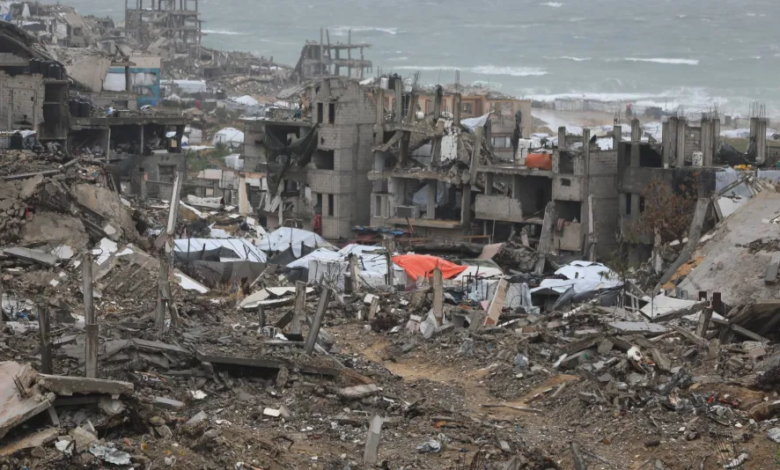
These negotiations cannot be separated from the catastrophic reality on the ground; the Gaza Strip is suffering from widespread destruction of infrastructure and severe shortages of food and medicine, making an agreement a matter of life and death for millions. Regionally, the world views a Gaza agreement as a safeguard against the escalation of the conflict in the Middle East, especially given the rising tensions on other fronts such as southern Lebanon and the Red Sea. Therefore, the success of the Cairo negotiations is not only in the Palestinian interest but also a vital necessity for regional and international stability.
Egypt's pivotal role
These meetings reaffirm Egypt's historic and pivotal role in the Palestinian issue. Geographically and historically, Cairo remains the primary gateway to any political or humanitarian solution concerning the Gaza Strip. Through these indirect talks, Egyptian diplomacy seeks to bridge the gaps and overcome the thorny obstacles, drawing on its political weight and balanced relationships with all relevant parties, with the aim of reaching a formula that will end the bloodshed and initiate a serious reconstruction process.