
لا يزال ملف تشكيل «لجنة إدارة غزة» يتصدر المشهد السياسي الفلسطيني والإقليمي، حيث تستمر المباحثات المكثفة بين الأطراف المعنية والوسطاء لمحاولة جسر الهوة في وجهات النظر المتباعدة. ورغم الحاجة الملحة لوجود جسم إداري يتولى تسيير شؤون القطاع في ظل الظروف الكارثية الراهنة، إلا أن هناك «قضايا عالقة» جوهرية تحول دون الإعلان النهائي عن تشكيل هذه اللجنة، مما يضع الكرة في ملعب الوسطاء لتقديم حلول توافقية ترضي جميع الأطراف.
عقبات في طريق التوافق
تتمحور الخلافات الرئيسية حول طبيعة الصلاحيات الممنوحة لهذه اللجنة ومرجعيتها السياسية والإدارية. فبينما يتم الدفع باتجاه تشكيل لجنة تكنوقراط (مهنية) غير فصائلية لتجنب الفيتو الدولي والإسرائيلي، تبرز إشكاليات تتعلق بالملف الأمني ومن سيتولى السيطرة على الأرض، بالإضافة إلى آلية إدارة المعابر وتوزيع المساعدات الإنسانية. وتعتبر هذه النقاط بمثابة «ألغام سياسية» تتطلب تفكيكاً دقيقاً من قبل الوسطاء في مصر وقطر، لضمان عدم انهيار الاتفاق بمجرد دخوله حيز التنفيذ.
السياق التاريخي للانقسام وتأثيره
لا يمكن فصل تعقيدات تشكيل هذه اللجنة عن السياق التاريخي للانقسام الفلسطيني الذي بدأ فعلياً منذ عام 2007. طوال السنوات الماضية، فشلت عدة اتفاقيات للمصالحة (اتفاق مكة، القاهرة، الشاطئ، والجزائر) في توحيد المؤسسات الفلسطينية بشكل كامل. اليوم، يأتي طرح «لجنة الإسناد» أو «لجنة الإدارة» كحل وسط مؤقت للتعامل مع تداعيات الحرب، في محاولة لتجاوز عقدة «من يحكم غزة» التي طالما شكلت العائق الأكبر أمام أي تحرك سياسي موحد، خاصة في ظل الرفض الإسرائيلي القاطع لأي دور لحركة حماس في مستقبل القطاع.
الدور المحوري للوسطاء والموقف الدولي
يلعب الوسطاء دوراً حاسماً في هذه المرحلة، حيث تسعى القاهرة والدوحة، بالتنسيق مع الولايات المتحدة، لصياغة مقترح يضمن قبولاً دولياً للجنة، مما يفتح الباب أمام تدفق أموال إعادة الإعمار. يدرك الوسطاء أن أي جسم إداري جديد يجب أن يحظى بمظلة السلطة الفلسطينية ليكون مقبولاً لدى المانحين الدوليين، وهو ما يتطلب مرونة عالية من الفصائل الفلسطينية لتقديم المصلحة الوطنية العليا على الحسابات الحزبية الضيقة.
أهمية اللجنة وتأثيرها المتوقع
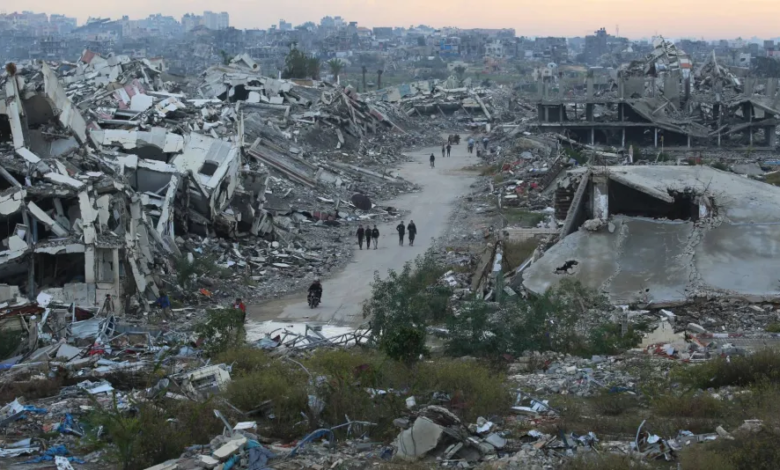
تكمن الأهمية القصوى لهذه اللجنة في كونها «بوابة النجاة» للبدء في مرحلة التعافي المبكر. محلياً، ينتظر سكان القطاع جهة رسمية تتولى تنظيم شؤونهم الحياتية، من صحة وتعليم وخدمات بلدية، وسط الدمار الهائل. إقليمياً، يعتبر نجاح هذه اللجنة اختباراً لمدى قدرة النظام العربي على احتواء الأزمة ومنع تهجير الفلسطينيين. أما دولياً، فإن تشكيل لجنة مهنية ومستقلة يعد شرطاً أساسياً وضعه المجتمع الدولي والبنك الدولي للبدء في مشاريع إعادة الإعمار الضخمة التي يحتاجها القطاع، مما يجعل من حل القضايا العالقة ضرورة إنسانية وسياسية لا تحتمل التأجيل.