Gaza residents and peace councils: A sense of marginalization amid escalating crises

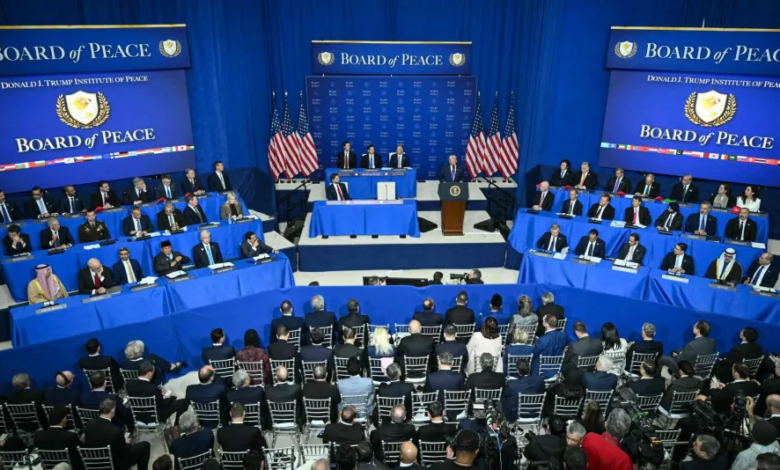
While the world's attention is focused on closed-door meetings of so-called "peace councils" or international conferences discussing Middle Eastern issues, a profound sense of frustration and marginalization prevails among the residents of the Gaza Strip. This feeling is not new; it is the culmination of years of bitter experience in which international diplomacy has proven incapable of bringing about tangible change on the ground, leaving Gazans feeling like mere numbers in complex political equations that do not prioritize their humanitarian suffering.
The gap between diplomacy and the reality on the ground
While leaders and politicians exchange smiles and handshakes for the cameras, more than two million Palestinians in the Gaza Strip live under dire humanitarian conditions. Residents believe these meetings often conclude with statements of condemnation or promises of aid that may never materialize, without addressing the root causes of the crisis: the ongoing blockade and repeated military operations. The lack of genuine representation for the voices of the victims in these forums reinforces the conviction among Gazans that the proposed solutions are merely cosmetic, intended to temporarily calm the situation without fundamentally resolving the conflict.
Historical context: Decades of broken promises
To truly understand this sense of marginalization, we must look back a little. From the Madrid Peace Conference in the early 1990s, through the Oslo Accords, and into successive rounds of negotiations, Palestinians have harbored the hope of establishing an independent state with Jerusalem as its capital. However, the geopolitical reality in Gaza has changed drastically, especially after 2007 and the imposition of a tight Israeli blockade. The Strip has been transformed into an open-air prison, and opportunities for economic and social development have plummeted. This long history of diplomatic failures has rendered any new "peace council" a mere formality in the eyes of the population, devoid of any real hope.
Strategic importance and impact of the event regionally and internationally
Despite the population's sense of marginalization, the convening of such councils carries significant implications both regionally and internationally. The stability of the Gaza Strip is key to the security of the entire region, and any instability there directly impacts neighboring countries, particularly Egypt and Jordan. Internationally, the international community recognizes that continuing to ignore the humanitarian and political crisis in Gaza fuels instability in the Middle East and could lead to new waves of violence that extend beyond the Strip's borders.
Aspirations towards radical solutions
In conclusion, the people of Gaza are not asking for the impossible; they simply hope that the outcomes of the "Peace Council" and similar conferences will be translated into concrete actions: lifting the blockade, genuine reconstruction, and guaranteeing freedom of movement. The marginalization they feel will only end when human rights and human dignity become the driving force behind any international political action, rather than narrow political interests.