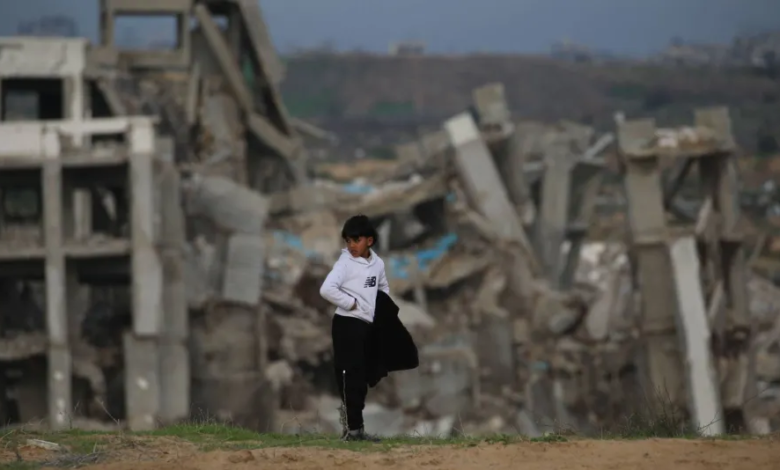

The Civil Defense Authority in the Gaza Strip announced today that five Palestinians were killed and several others were wounded, some critically, in an Israeli airstrike that targeted a school sheltering hundreds of displaced people. This tragic incident adds to a long list of attacks targeting civilian infrastructure and shelters since the start of the war, exacerbating the humanitarian crisis in the besieged territory.
Targeting shelters: unsafe havens
Schools in the Gaza Strip, whether those run by the United Nations Relief and Works Agency for Palestine Refugees (UNRWA) or government schools, have become the last refuge for hundreds of thousands of families who have lost their homes. Despite international laws granting these facilities special protection during times of conflict, field reports confirm that they are frequently targeted by direct or indirect shelling. This pattern of military operations indicates a shrinking of safe spaces within the Strip, where civilians find themselves trapped between the bombardment and the harsh conditions of displacement, lacking even the most basic necessities such as water, food, and medicine.
Field context and civil defense challenges
This bombing comes at a time when civil defense and ambulance crews are facing unprecedented challenges. In addition to the intensity of the airstrikes, rescue teams are suffering from a severe shortage of fuel needed to operate heavy machinery and specialized rubble removal equipment, as well as the deterioration of existing equipment due to months of continuous use. A civil defense spokesperson has stated on several occasions that crews are working in “impossible” conditions, often having to use their bare hands to pull victims from the rubble, which reduces the chances of survival for those trapped beneath.
International and humanitarian repercussions
Internationally, the bombing of schools and hospitals has sparked a wave of sharp criticism from human rights organizations and the United Nations. The UN considers targeting civilian infrastructure to be potentially war crimes and has called for independent investigations. This incident increases diplomatic pressure on the international community and the Security Council to take immediate action to impose a ceasefire, as the humanitarian situation threatens a comprehensive health and environmental catastrophe.
Impact on the de-escalation process
Regionally, the continued civilian casualties cast a dark shadow over mediation efforts led by regional and international actors to reach a prisoner exchange and a humanitarian truce. Every military escalation targeting civilians complicates the political landscape and exacerbates tensions, placing further obstacles in the way of negotiators and delaying any chance of reaching a solution to end the bloodshed that has persisted for months.