
يعيش آلاف الفلسطينيين من سكان قطاع غزة المتواجدين حالياً في الأراضي المصرية حالة من الترقب الشديد والقلق المتزايد، بانتظار أي أنباء رسمية تفيد بإعادة فتح معبر رفح البري بشكل كامل ومستدام. وتأتي هذه الحالة في ظل ظروف إنسانية صعبة يواجهها العالقون، الذين تقطعت بهم السبل بعيداً عن عائلاتهم ومنازلهم، سواء كانوا من المرضى الذين أنهوا رحلات علاجهم، أو الطلاب، أو المسافرين الذين خرجوا لقضاء حوائجهم قبل أن تباغتهم التطورات الميدانية والسياسية التي أدت إلى تعطل حركة العبور.
أهمية معبر رفح: شريان الحياة الوحيد
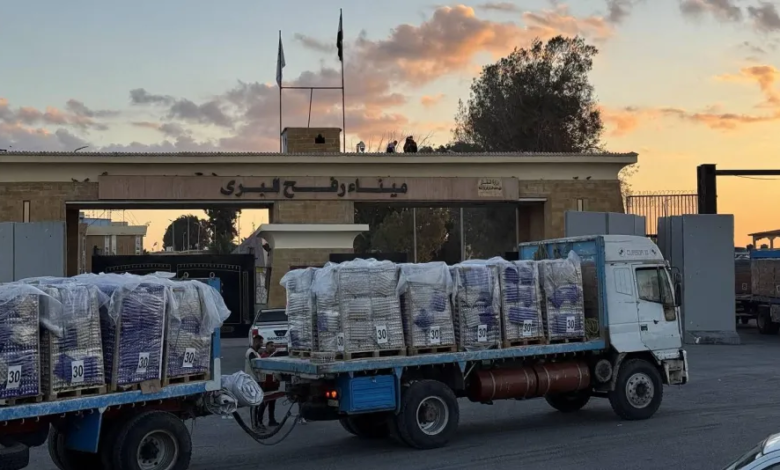
يكتسب معبر رفح أهمية استراتيجية وحيوية قصوى كونه المنفذ البري الوحيد لقطاع غزة الذي لا يخضع للسيطرة الإسرائيلية المباشرة، مما يجعله الرئة التي يتنفس منها القطاع المحاصر. تاريخياً، ومنذ فرض الحصار المشدد على غزة في عام 2007، تحول المعبر إلى مقياس لدرجة التوتر أو الانفراج في العلاقات السياسية والأمنية بين الفصائل الفلسطينية، مصر، وإسرائيل. لطالما كان تشغيل المعبر محكوماً باتفاقيات معقدة، أبرزها اتفاقية المعابر لعام 2005، إلا أن الواقع الميداني غالباً ما يفرض معادلات مغايرة تعتمد على الوضع الأمني في سيناء والقطاع.
معاناة العالقين والأزمة الإنسانية
لا تقتصر الأزمة الحالية على مجرد الرغبة في العودة، بل تتعداها إلى أبعاد إنسانية واقتصادية خانقة. يعاني العديد من الغزيين العالقين في مصر من نفاد الموارد المالية نتيجة طول فترة الانتظار غير المتوقعة، بالإضافة إلى انتهاء صلاحية إقاماتهم أو تأشيراتهم في بعض الحالات، مما يضعهم في موقف قانوني ومعيشي حرج. كما أن هناك قلقاً كبيراً على مصير عائلاتهم داخل القطاع في ظل الأوضاع الراهنة، مما يضاعف من الضغط النفسي عليهم. وتناشد المؤسسات الحقوقية والدولية بضرورة تحييد الحالات الإنسانية عن التجاذبات السياسية وتسهيل عودتهم.
الأبعاد الإقليمية والدولية
على الصعيد الإقليمي، تلعب مصر دوراً محورياً في إدارة هذا الملف، حيث تسعى القاهرة للموازنة بين اعتباراتها الأمنية القومية في شبه جزيرة سيناء، وبين دورها التاريخي كداعم للقضية الفلسطينية ووسيط رئيسي في ملفات التهدئة. وتواجه مصر ضغوطاً وتحديات تتعلق بآليات تشغيل المعبر، خاصة فيما يتعلق بإدخال المساعدات الإنسانية والإغاثية إلى القطاع، أو خروج الجرحى وحملة الجوازات الأجنبية. دولياً، يظل معبر رفح نقطة ارتكاز في المناقشات الدبلوماسية، حيث تضغط الأمم المتحدة والمنظمات الإغاثية لضمان استمرار عمل المعبر كخط إمداد حيوي للمواد الغذائية والطبية والوقود، محذرة من أن استمرار الإغلاق أو تقييد الحركة قد يؤدي إلى كارثة إنسانية محققة داخل القطاع المكتظ بالسكان.