The Secretary-General of the Gulf Cooperation Council condemns Iran's targeting of facilities south of Riyadh

Details of the Gulf condemnation and the official stance
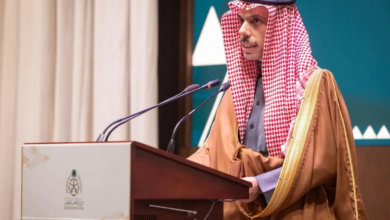
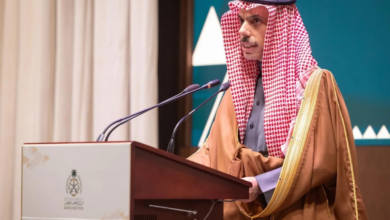
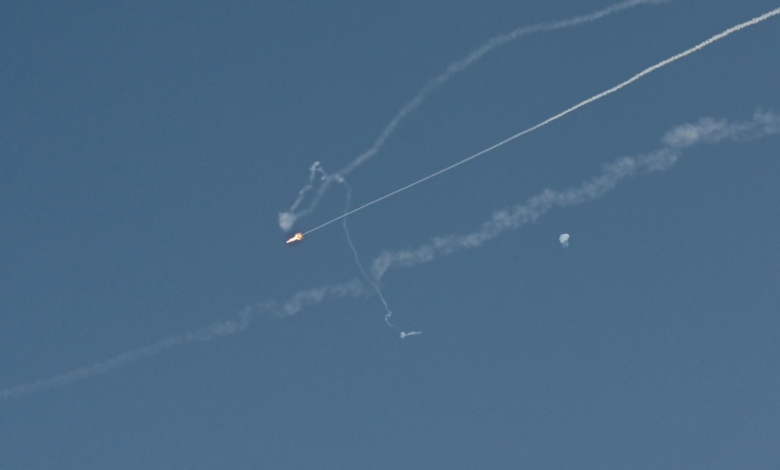
The Secretary-General of the Gulf Cooperation Council (GCC) expressed his strong condemnation of the terrorist attack targeting vital civilian facilities south of the Saudi capital, Riyadh, an attack perpetrated by Iran. He affirmed that this blatant aggression constitutes a flagrant violation of international laws and norms, and a direct assault on the sovereignty of the Kingdom of Saudi Arabia. He emphasized the GCC states' unwavering support for the Kingdom in all measures it takes to safeguard its security, stability, and the safety of its territory, citizens, and residents.
The historical context of attacks on Saudi facilities
These condemnations come against a backdrop of historical tension in the region, where Saudi Arabia has been subjected to a series of systematic attacks targeting its energy infrastructure and civilian facilities over the years. Historically, many of these attacks have been linked to armed groups receiving direct support from Tehran, such as the Houthi militia in Yemen, which has used explosive-laden drones and Iranian-made ballistic missiles. Perhaps the most prominent of these incidents was the 2019 attack on Aramco facilities in Abqaiq and Khurais, in which international investigations confirmed Iranian involvement, leading to a temporary disruption in global energy supplies. The continuation of these attacks reflects a persistent approach aimed at destabilizing the region and undermining peace efforts.
Regional and local repercussions of targeting
On both the local and regional levels, this targeting of facilities south of Riyadh carries serious repercussions. Locally, this attack poses a direct threat to civilian lives and the Kingdom's economic infrastructure, necessitating the strengthening of defense systems and the implementation of stringent security measures. Regionally, this escalation exacerbates tensions in the Arabian Gulf region and the Middle East in general. This event underscores the strategic importance of Gulf solidarity, as the GCC states consider the security of Saudi Arabia an integral part of their own national security, based on the principle of collective defense and a shared destiny that unites the GCC states in confronting external threats.
International impact on energy markets and the economy
On the international level, targeting vital facilities in the Kingdom of Saudi Arabia is not merely a local or regional matter, but a direct threat to international peace and security. The Kingdom plays a pivotal role in the stability of global energy markets, and any attack on its facilities negatively impacts the entire global economy. Therefore, the international community is increasingly calling for a firm and decisive stance against Iranian interference in the affairs of the region's countries and for an end to the supply of advanced weaponry to militias. The stability of the Arabian Gulf region is a cornerstone of global economic stability, which necessitates that the United Nations and major powers assume their responsibilities in maintaining regional security and deterring any attempts to destabilize it.
In conclusion, the firm stance of the Gulf Cooperation Council stands out as a clear message rejecting any infringement on Saudi Arabia’s security, and emphasizing that the language of dialogue, respect for the sovereignty of states, and good neighborliness are the only ways to achieve sustainable stability in the Middle East region, away from the language of escalation and continuous military threats.