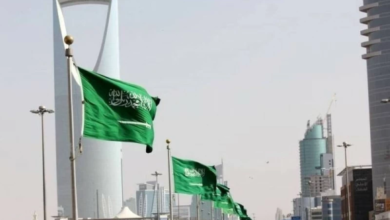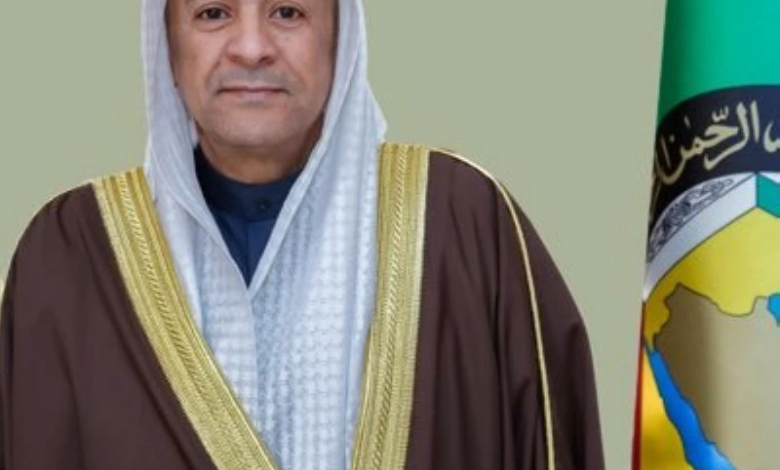
The Secretary-General of the Gulf Cooperation Council (GCC), Jassem Mohammed Al-Budaiwi, emphasized the need to intensify efforts and accelerate joint economic and development work among member states, stressing that the next phase requires diligent work to achieve aspirations for full economic unity. This came during an internal meeting Al-Budaiwi held yesterday with members of the Assistant Secretariat for Economic and Development Affairs at the GCC General Secretariat headquarters in Riyadh, Saudi Arabia.
Review of 2025 achievements and 2026 targets
The Secretary-General opened the meeting with a comprehensive review of the Assistant Secretariat's 2025 achievements report, which assessed the initiatives and programs implemented across various economic and development sectors. Discussions focused on the alignment of these outcomes with the strategic visions of the GCC leaders. The meeting also outlined the action plan and ambitious targets for 2026, designed to strengthen joint Gulf cooperation and overcome any obstacles that might hinder economic integration.
Historical context: The dream of economic unity
These moves come within a historical context that extends back to the establishment of the Gulf Cooperation Council (GCC) in 1981, whose charter stipulates achieving coordination, integration, and interdependence among member states in all fields. The GCC states have made significant strides in this regard, beginning with the Unified Economic Agreement, followed by the declaration of the Customs Union, and culminating in the Gulf Common Market, which has granted Gulf citizens freedom of movement, work, investment, and equal economic treatment. The current meetings of the General Secretariat are a continuation of this long journey to ensure the implementation of the Supreme Council's decisions.
Strategic importance in light of global transformations
Strengthening Gulf economic cooperation is of exceptional importance at this time, given the rapid global economic transformations and geopolitical challenges that necessitate regional blocs bolstering their economic resilience. Through their development plans (such as Saudi Vision 2030, Kuwait Vision 2035, and others), the GCC countries are striving to diversify their sources of income and reduce their dependence on oil. Herein lies the crucial role of the General Secretariat in coordinating these efforts to ensure the integration of national plans with regional objectives, thereby enhancing the Gulf states' position as an influential global economic bloc.
Towards an integrated economic future
At the conclusion of the meeting, Al-Budaiwi emphasized the importance of maintaining the current pace of progress and organized institutional work to achieve the desired future goals. He pointed out that achieving economic unity by 2026 and beyond requires developing working mechanisms and diligent follow-up with member states to ensure that Gulf citizens directly experience the benefits of these development projects, whether through enhanced trade, railway connectivity projects, or the future unification of fiscal and monetary policies.