The efficiency of the Gulf forces in successfully countering Iranian attacks

The Gulf Cooperation Council praised the efficiency of the Gulf forces
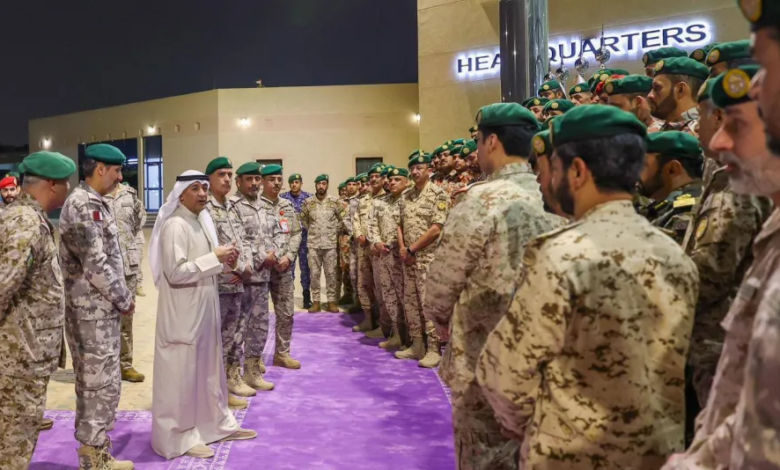
The Gulf Cooperation Council (GCC) affirmed that the Gulf armed forces have demonstrated high efficiency and exceptional readiness in countering threats and attacks launched by Iran or its affiliated militias in the region. These statements come amidst escalating regional tensions, as the Gulf states' defense systems have proven their superior ability to protect airspace and national assets, reflecting the significant progress in joint military coordination among GCC member states to maintain security and stability.
Historical context and development of the Gulf defense system
Since the establishment of the Gulf Cooperation Council (GCC) in 1981, the Gulf states have recognized the importance of joint military action to confront the growing security challenges in the Middle East. This was embodied early on in the creation of the Peninsula Shield Force and the signing of joint defense agreements. In recent years, with Iran's increasing reliance on drones and ballistic missiles to threaten neighboring countries, the Gulf states have accelerated the modernization of their military arsenals at an unprecedented pace. They have adopted the latest advanced air defense systems, such as the Patriot and THAAD systems, in addition to strengthening their joint early warning networks. This historic development was not a sudden occurrence, but rather the result of decades of continuous training and strategic investment in advanced military technology to protect national sovereignty.
The importance of the event and its regional and international impact
The high level of capability of the Gulf forces extends beyond protecting national borders to encompass crucial regional and international dimensions. Regionally, this readiness contributes to creating an effective deterrent balance that prevents the region from sliding into open conflict and limits Iranian interference in the internal affairs of Arab states. It also sends a clear message of reassurance to the people of the region regarding their countries' ability to provide a strong and sustainable security umbrella.
On the international level, the security of the Arabian Gulf region is inextricably linked to global economic security. The GCC countries are the world's primary energy suppliers, and any threat to oil infrastructure or strategic waterways, such as the Strait of Hormuz and the Bab el-Mandeb Strait, directly impacts energy prices and global supply chains. Therefore, the success of Gulf forces in neutralizing Iranian attacks has garnered widespread praise and support from the international community, particularly strategic allies, as it ensures the stability of the global economy and freedom of navigation.
The future vision for Gulf security
In conclusion, these field and political developments confirm that the Gulf Cooperation Council (GCC) is firmly committed to its strategy of strengthening defense and security integration among its members. The efficiency demonstrated by the Gulf forces in countering Iranian threats is a cornerstone in building a secure and stable future for the entire region. The next phase is expected to witness further joint military exercises and expanded intelligence sharing to ensure the highest level of readiness to confront any contingencies that may threaten the security, stability, and resources of the Gulf Cooperation Council states.