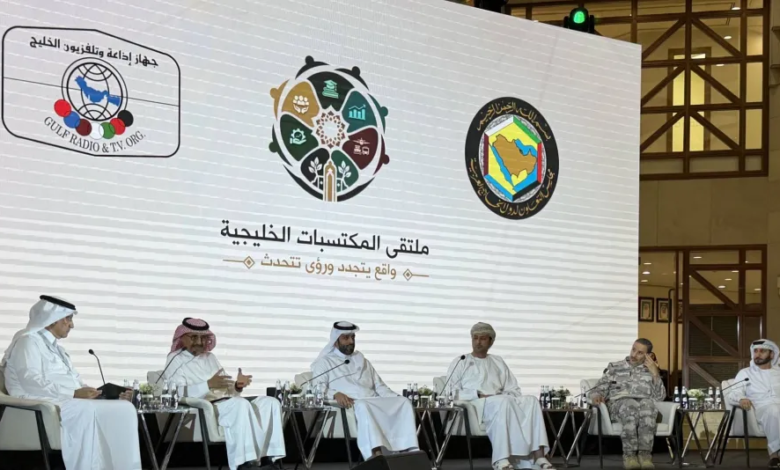

في خطوة تعكس الأهمية الاستراتيجية للتكامل الإقليمي، استضافت العاصمة السعودية الرياض اجتماعاً لمجلس التعاون لدول الخليج العربية، تمحور حول استعراض وتقييم “المكتسبات الخليجية” التي تحققت على مدى العقود الماضية. ويأتي هذا الاستعراض في وقت حاسم تمر به المنطقة والعالم، مما يضفي على الحدث أهمية خاصة لتعزيز مسيرة العمل الخليجي المشترك ورسم ملامح المستقبل.
خلفية تاريخية وسياق التأسيس
تأسس مجلس التعاون لدول الخليج العربية في 25 مايو 1981، في خضم تحديات إقليمية متصاعدة، بهدف تحقيق التنسيق والتكامل والترابط بين الدول الأعضاء (المملكة العربية السعودية، الإمارات العربية المتحدة، دولة الكويت، مملكة البحرين، سلطنة عُمان، ودولة قطر) في جميع الميادين وصولاً إلى وحدتها. وانطلق المجلس من رؤية مشتركة قائمة على روابط الدين والعقيدة والثقافة والتاريخ والمصير المشترك التي تجمع شعوب المنطقة، لتكون المنظمة الإقليمية الأبرز في العالم العربي.
أبرز المكتسبات والإنجازات الخليجية
على الصعيد الاقتصادي، تُعد السوق الخليجية المشتركة والاتحاد الجمركي من أبرز المكتسبات التي سهلت حركة البضائع ورؤوس الأموال والمواطنين بين الدول الأعضاء، مما عزز من التبادل التجاري البيني وفتح آفاقاً استثمارية واسعة. كما يمثل مشروع الربط الكهربائي الخليجي نموذجاً ناجحاً للتعاون في مجال البنية التحتية الحيوية، والذي يضمن أمن الطاقة ويدعم شبكات الكهرباء الوطنية للدول الأعضاء. أما على الصعيد الأمني والعسكري، فقد شكل إنشاء قوات “درع الجزيرة” خطوة محورية لتعزيز الدفاع المشترك وتنسيق السياسات الأمنية لمواجهة التهديدات الخارجية والحفاظ على استقرار المنطقة.
أهمية الحدث وتأثيره المتوقع
يكتسب استعراض المكتسبات الخليجية من الرياض أهمية بالغة، ليس فقط للاحتفاء بالنجاحات، بل للبناء عليها ومواجهة التحديات المستقبلية. فعلى الصعيد المحلي، يعزز هذا التقييم ثقة المواطن الخليجي في مؤسسات العمل المشترك. وإقليمياً، يرسل المجلس رسالة قوية بوحدته وتماسكه وقدرته على التكيف مع المتغيرات الجيوسياسية، مما يعزز من مكانته كقوة فاعلة في استقرار الشرق الأوسط. أما دولياً، فإن وجود تكتل خليجي قوي ومستقر اقتصادياً وسياسياً يمثل شريكاً موثوقاً للمجتمع الدولي في مجالات الطاقة والتجارة والأمن العالمي. ومن المتوقع أن يخرج هذا الاستعراض بتوصيات ورؤى جديدة تهدف إلى تسريع وتيرة التكامل، خاصة في مجالات التحول الرقمي والاقتصاد الأخضر والأمن السيبراني، بما يتماشى مع الخطط التنموية الوطنية الطموحة كـ”رؤية السعودية 2030″ وغيرها من الرؤى الخليجية.