
The importance of a unified Gulf stance in light of regional developments
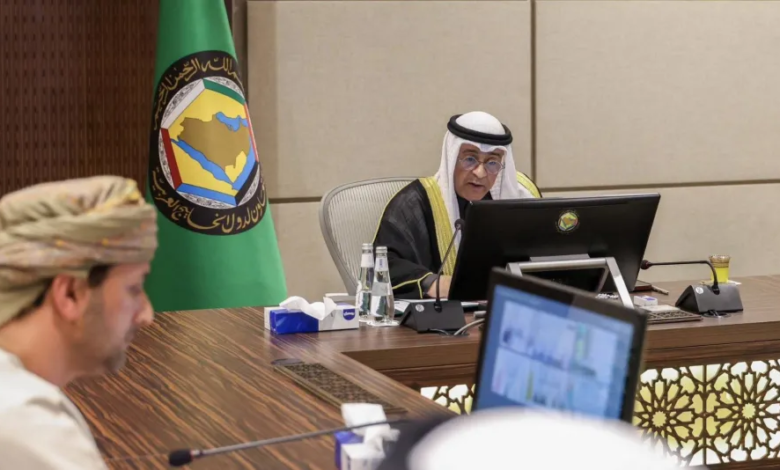
In light of the rapid geopolitical shifts in the Middle East, the Gulf Cooperation Council (GCC) affirmed that current developments necessitate, more than ever, a unified and firm stance. This approach stems from the GCC states' commitment to safeguarding their security and stability, and ensuring the continuation of the region's economic and social development.
Historical context and the role of the Gulf Cooperation Council
The Gulf Cooperation Council (GCC) was established in 1981 in response to the complex security and economic challenges then facing the region. Since its inception, the Council has demonstrated its ability to overcome crises through joint coordination and integration among its six member states: the Kingdom of Saudi Arabia, the United Arab Emirates, the State of Kuwait, the Sultanate of Oman, the Kingdom of Bahrain, and the State of Qatar. Historically, Gulf unity has served as a bulwark against external interference and security threats, making the GCC a cornerstone of stability in the Middle East.
Current developments and their expected effects
The region is currently facing a number of challenges, including armed conflicts, tensions in strategic waterways such as the Red Sea and the Arabian Gulf, and global economic challenges. These developments not only affect regional security but also have repercussions for the global economy, particularly concerning energy security and supply chains. Therefore, calling for a firm and unified Gulf stance is a necessary proactive step to address these changes wisely and effectively.
Local, regional and international impact
On the local level: The unified stance contributes to strengthening the internal front of the Gulf states, protecting national gains, and providing the safe environment necessary for implementing ambitious development visions, such as Saudi Vision 2030 and other strategic plans in the GCC countries.
At the regional level: Gulf coordination enhances the Council’s role as a balancing force and a reliable mediator for resolving conflicts through peaceful and diplomatic means, thus contributing to reducing escalation and establishing the foundations of peace in neighboring countries suffering from political and security crises.
On the international level, the Arabian Gulf represents a vital artery for the global economy. Therefore, any unified Gulf action sends reassuring messages to global markets and international partners, and affirms the GCC states' commitment to ensuring the security of energy supplies and freedom of navigation, thus enhancing the GCC's position as a reliable strategic partner on the international stage.
a summary
In conclusion, it can be said that the challenges posed by regional and international developments make Gulf solidarity an indispensable strategic choice. Unifying visions and positions among the Gulf Cooperation Council (GCC) states is not merely a response to emergency circumstances, but rather an institutional approach that ensures the sustainability of security and prosperity for the peoples of the region and preserves the GCC's weight and influence in shaping the future of the Middle East and the world.