Makkah General Transport Center's plan for Ramadan: New routes and integrated services

The General Transport Center announced the completion of all its operational and technical preparations to serve those visiting the Holy Mosque in the Holy City during the holy month of Ramadan, through a comprehensive strategic plan aimed at facilitating movement and ensuring smooth traffic flow in the central area and high-density locations.
An integrated transportation system to serve the pilgrims
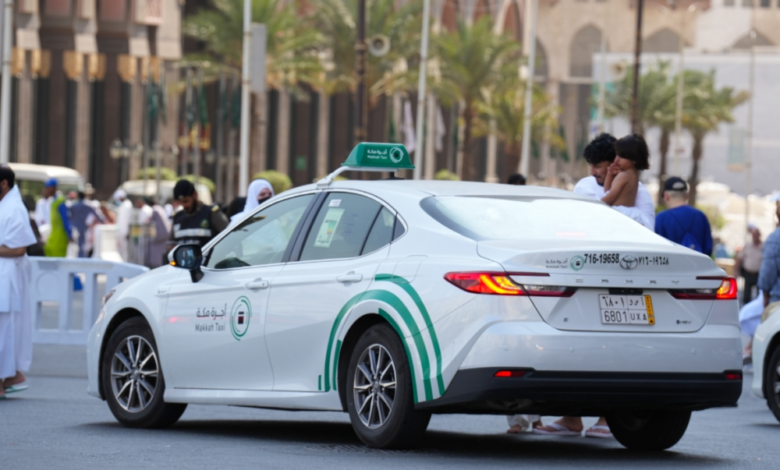
These preparations come at a time when Mecca is witnessing the arrival of millions of pilgrims and worshippers, requiring a highly efficient logistical response. The center's operational plan has focused on integrating different modes of transportation, with precise mechanisms in place to regulate "Mecca Taxi" and "Mecca Bus" services. This ensures reduced travel times and avoids the traffic congestion that typically accompanies peak times, particularly before Maghrib and Isha prayers and during the last ten days of Ramadan.
New frequency routes and Haramain train connection
In a significant step to enhance public transportation, the plan included the creation and activation of two shuttle bus routes to connect the main axes directly to the Grand Mosque, thus facilitating access for pilgrims:
- The first route: It starts from the Sayyida Aisha Mosque station (Al-Tan’im) and ends at the central Jabal Al-Kaaba station.
- The second route: connects the Haramain High-Speed Railway station to the eastern Jabal Al-Kaaba station.
This connection is pivotal in easing the pressure on the roads leading to the Grand Mosque in Mecca, as it allows those coming via the train or from the direction of Al-Tan’im to reach the courtyards of the Grand Mosque easily and conveniently without the need to use private vehicles.
Technical readiness and strict field supervision
The efforts were not limited to operational planning alone, but also included the technical aspects to ensure the sustainability of the service. The center emphasized the readiness of the operational fleets and the implementation of rigorous periodic maintenance programs, along with the provision of mobile maintenance workshops to deal immediately with any emergency breakdowns. Furthermore, strict regulations were enforced regarding taxi access to the central area through approved permits, in direct coordination with security authorities, to guarantee the highest standards of safety and security for road users.
Strategic importance and alignment with Vision 2030
These initiatives are of paramount importance within the framework of the Kingdom's Vision 2030, which aims to increase the capacity to accommodate pilgrims and facilitate their spiritual journey. By enhancing public transportation and reducing reliance on private vehicles in congested areas, the General Transport Center contributes to improving the urban landscape and reducing carbon emissions, as well as providing a comfortable and safe transportation experience befitting the sanctity of the time and place.