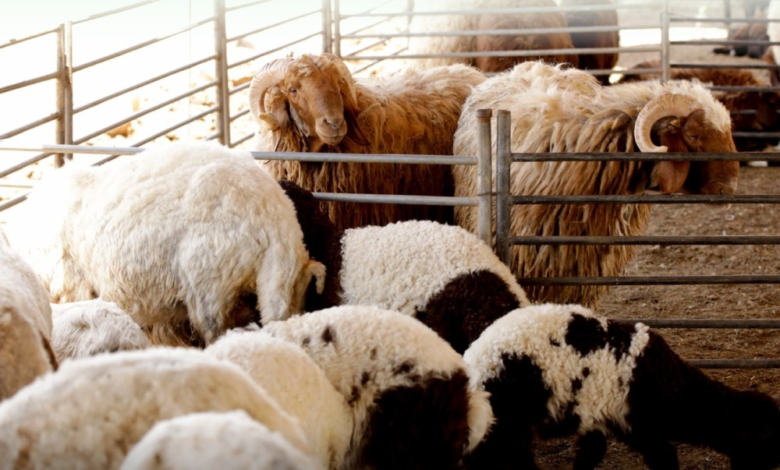
Genetic improvement of livestock: 4,500 samples examined to enhance food security

In a strategic move reflecting the Kingdom of Saudi Arabia's commitment to enhancing its food security and developing its national capabilities, the National Livestock and Fisheries Development Program announced the completion of the first phase of its genetic improvement program for sheep and goat breeds. This achievement marks a cornerstone in the transition from traditional breeding methods to practices based on scientific precision and biotechnology.
A wide-ranging field and scientific achievement
During its initial phase, the program successfully conducted a comprehensive survey, collecting over 4,500 samples through more than 90 intensive field visits. These visits covered six different geographical regions across the Kingdom, ensuring environmental and genetic diversity that accurately reflects the country's livestock. These precise genetic profiling tests aim to build a reliable national database upon which future production plans can be based.
Targeted breeds: national heritage and economic value
Research and field efforts have focused particularly on three main local breeds that form part of the Kingdom's agricultural identity: the Najdi sheep, the Harri sheep, and the Ardi goat. This focus is significant because these breeds possess unique characteristics in terms of their adaptation to the desert environment and the quality of their meat and milk. The program aims to preserve the genetic resources of these breeds and protect them from uncontrolled crossbreeding, while simultaneously working to develop their productive traits to maximize economic returns.
Economic and strategic dimensions of the event
This project is not limited to research alone; it also has profound economic dimensions that align with the goals of the Kingdom's Vision 2030 in achieving sustainable food security. By linking phenotypic traits to genetic traits, breeders and investors will be able to identify breeds with the highest production efficiency (such as growth rate, feed conversion efficiency, and disease resistance). This scientific approach will inevitably lead to a reduction in operational costs wasted in traditional methods and an increase in profit margins for breeders, thus encouraging investment in this vital sector.
International partnerships to ensure quality
To ensure the results meet the highest international standards, this initiative is being implemented in strategic partnership with prestigious academic and international institutions, namely King Saud University and the Food and Agriculture Organization of the United Nations (FAO). This collaboration lends a high degree of scientific credibility to the program's outputs and ensures the application of global best practices in genetic improvement, paving the way for a more sustainable future for the livestock sector in the Kingdom.