A new round of high-level bilateral talks between delegations from Ukraine and the United States began in Geneva, Switzerland, on Thursday. These intensive meetings are part of ongoing preparations for anticipated trilateral negotiations, including Russia, aimed at finding ways to end the conflict and outlining post-war economic and security arrangements.
Meeting details and economic preparations
Ukrainian Defense Minister and head of the negotiating delegation, Rustam Umarov, announced via the X platform that meetings with the American side, including envoys Steve Wittkopf and Jared Kushner, had begun. Discussions focused primarily on the economic aspects of reconstruction and the future of the Ukrainian economy after the end of military operations, as well as coordinating political positions in preparation for the next round of trilateral negotiations with Russia, scheduled for early March.
The involvement of figures like Kushner and Woitkoff is of particular importance, as it reflects the new US administration's (the Trump administration's) approach to finding practical and quick solutions to the crisis, with a focus on economic deals as part of a comprehensive political solution.
The Russian position: No specific timeframes
On the other hand, and in a simultaneous move, Moscow announced that its economic envoy, Kirill Dmitriev, was heading to Geneva to continue discussions with the American side. Despite this diplomatic activity, Russian Foreign Minister Sergey Lavrov emphasized that his country was "not in a hurry" to reach a peace agreement, stressing that Moscow was not setting deadlines and was working according to its strategic objectives. This was also confirmed by Kremlin spokesman Dmitry Peskov, who indicated that it was premature to talk about specific stages or final expectations for the peace process.
The reality on the ground and the exchange of remains
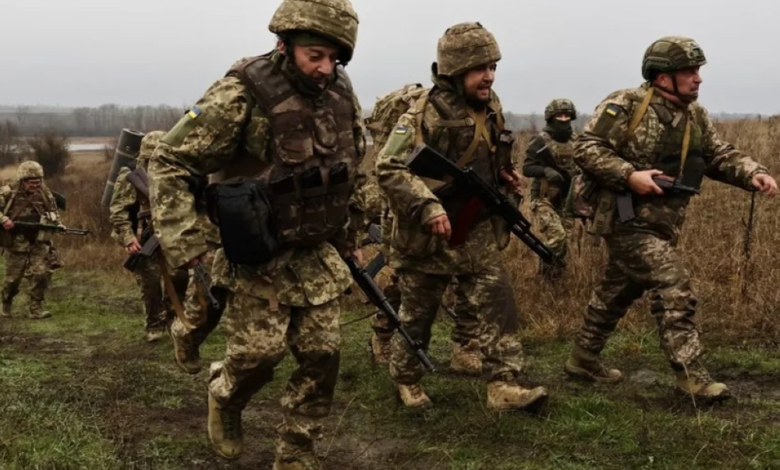
These talks come amid continued military escalation on the ground, with Russian forces launching intensive night attacks using hundreds of drones and missiles, targeting infrastructure and residential buildings in several Ukrainian regions, resulting in dozens of injuries and significant material damage.
In a humanitarian gesture related to the negotiations, Moscow announced the handover to Kyiv of the remains of 1,000 Ukrainian soldiers in exchange for the bodies of only 35 Russian servicemen. These exchanges are among the few tangible results of the ongoing negotiations and reflect the immense human cost of the conflict, which began in February 2022.
Background to the conflict and geopolitical obstacles
The peace process faces significant obstacles, most notably the deep disagreement over the fate of the Donbas region in eastern Ukraine. While Moscow insists on the withdrawal of Ukrainian forces from the disputed territories as a precondition, Kyiv vehemently rejects any concessions that infringe upon its territorial sovereignty. Ukrainian President Volodymyr Zelensky, who spoke by phone with US President Donald Trump ahead of the talks, believes that Western pressure should be directed at the "aggressor," not the victim.
Analyses suggest that these negotiations may be the last chance to avoid a long-term war of attrition that could last for years, especially with growing European and American unease about the high economic cost of supporting Ukraine, and the international community's desire to restore global economic stability, which has been severely damaged by the war.