
إصدار تصاريح جيومكانية لدعم ضيوف الرحمن
أعلنت الهيئة العامة للمساحة والمعلومات الجيومكانية في المملكة العربية السعودية عن خطوة استراتيجية هامة تتمثل في منح خمسة تصاريح جيومكانية متخصصة. تهدف هذه التصاريح إلى تمكين الجهات الحكومية المشاركة في تنظيم أعمال الحج من تنفيذ مهامها بكفاءة عالية، وذلك في إطار السعي المستمر لتقديم أفضل الخدمات لضيوف الرحمن وتسهيل تنقلاتهم وإقامتهم في المشاعر المقدسة.
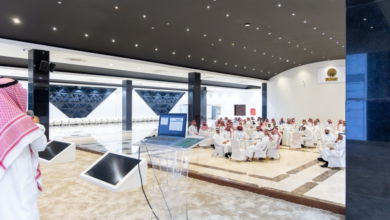
وإلى جانب هذه التصاريح، عقدت الهيئة أربعة اجتماعات تنسيقية عاجلة لدعم عدد من المشروعات التنموية الحيوية. تأتي هذه التحركات ضمن جهود الهيئة المستمرة لدعم المنظومات الوطنية وتمكين مستهدفات رؤية المملكة 2030، والتي تركز بشكل أساسي على التحول الرقمي والارتقاء بجودة الخدمات المقدمة للمواطنين والزوار على حد سواء.
السياق التاريخي والتحول الرقمي في إدارة الحج
على مر التاريخ، سخرت المملكة العربية السعودية كافة إمكاناتها المادية والبشرية لخدمة الحجاج والمعتمرين، حيث كانت إدارة الحشود وتأمين المشاعر المقدسة تتطلب جهوداً لوجستية ضخمة. ومع التطور التكنولوجي المتسارع وإطلاق رؤية السعودية 2030، أصبح الاعتماد على البيانات الدقيقة والتقنيات الحديثة أمراً حتمياً. وتلعب المعلومات الجيومكانية اليوم دوراً محورياً في التخطيط المكاني للمشاعر المقدسة، حيث تساعد في إدارة الحشود، وتوزيع المخيمات، وتخطيط مسارات النقل الترددي بدقة متناهية، مما يمثل نقلة نوعية مقارنة بالأساليب التقليدية التي كانت متبعة في العقود الماضية.
الأهمية الاستراتيجية والتأثير المتوقع
على المستوى المحلي، تسهم هذه التصاريح الجيومكانية في تسريع وتيرة إنجاز المشروعات التنموية في مكة المكرمة والمدينة المنورة، وتضمن توفير بنية تحتية متطورة تلبي احتياجات الأعداد المتزايدة من الحجاج سنوياً. أما على المستوى الإقليمي والدولي، فإن نجاح المملكة في توظيف التقنيات الجيومكانية المتقدمة لإدارة أكبر تجمع بشري سنوي في العالم يعزز من ريادتها العالمية في مجال إدارة الحشود وتطبيقات المدن الذكية، مما يقدم نموذجاً يُحتذى به دولياً في تنظيم الفعاليات الكبرى وإدارة الأزمات.
رفع مستوى الحوكمة وتنظيم قطاع المساحة
تأتي هذه الجهود ضمن الدور التنظيمي والتشريعي للهيئة في إصدار التصاريح اللازمة لمزاولة أعمال التصوير والمسح الجوي، والمسح البحري، والتصوير البانورامي، والتقنيات المماثلة. وتعمل الهيئة وفق المتطلبات التنظيمية والفنية المعتمدة لضمان مواءمة الأعمال الجيومكانية مع الاشتراطات ذات العلاقة، مما يدعم استمرارية تنفيذ المشاريع الحيوية بكفاءة وموثوقية.
وقد أسهمت الهيئة بشكل فعال عبر أدوارها التنظيمية في تعزيز تكامل الأعمال بين مختلف الجهات الحكومية، ورفع مستوى الحوكمة، وتفادي الازدواجية في المشاريع. ومن خلال تمكين الاستفادة من المعلومات الجيومكانية الدقيقة والموثوقة، تدعم الهيئة عمليات التخطيط والتشغيل واتخاذ القرار.
يُذكر أن الهيئة العامة للمساحة والمعلومات الجيومكانية تُعنى بتنظيم قطاع المساحة والمعلومات الجيومكانية والتصوير المتعلق بأعماله في المملكة، والارتقاء به، والإشراف عليه ومراقبته، بما يحقق الجودة وتحسين الأداء، وينعكس إيجاباً على المصلحة الوطنية وخدمة حجاج بيت الله الحرام.