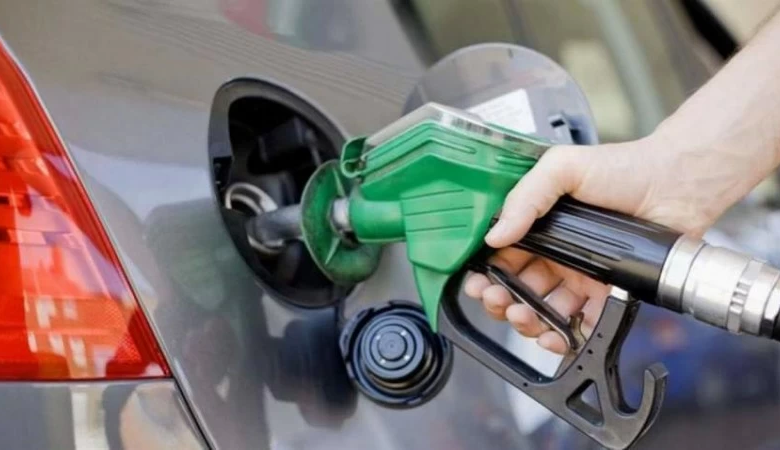

The German economy and consumers are on tenterhooks as fuel prices, particularly diesel, approach record highs not seen since the major energy crises. Currently, diesel prices in Germany are just 1.5 cents away from reaching their all-time high. If the upward trend seen in energy markets over the past few days continues, this record could be broken very soon, posing new challenges for Europe's largest economy.
According to official data released by the German Automobile Club (ADAC), the average price of diesel nationwide reached approximately €2.306 per liter, an increase of 0.5 cents from the previous day. This continued rise means the current price is only 1.5 cents away from the all-time high recorded in March 2022. Meanwhile, the price of premium E10 gasoline rose slightly by 0.2 cents to €2.085 per liter. However, it remains about 12 cents below its March 2022 record high.
The historical and geopolitical context of the fuel crisis
To understand these sharp increases in fuel prices, we must look back at the recent historical context. In March 2022, global energy markets experienced an unprecedented shock following the outbreak of the Russian-Ukrainian war, which led to massive disruptions in oil and gas supply chains, particularly for Germany, which was heavily reliant on Russian energy imports. Since then, energy prices have remained highly sensitive to any global tensions.
Recently, fuel prices have seen sharp increases due to escalating geopolitical tensions in the Middle East, including ongoing conflicts and regional tensions involving Israel and Iran, and their impact on maritime security in the Red Sea, a vital global oil shipping lane. This is compounded by production cuts implemented by oil-exporting countries, which have led to a significant rise in global crude oil prices. Figures show that the price of premium gasoline has increased by more than 30 cents compared to prices before the recent escalation of tensions, while diesel has risen by 56 cents over the same period.
Expected economic impacts
This rise in diesel prices has profound implications at both the local and regional levels. Locally in Germany, diesel is the primary fuel for the transport and logistics sector. Higher shipping costs will inevitably lead to higher prices for consumer goods and food, fueling inflation and eroding the purchasing power of German citizens. Regionally, given Germany's role as the economic engine of the European Union, any economic slowdown or increase in production costs there will negatively impact the entire European supply chain.
Although weekends have recently seen relatively slight price increases, economists emphasize that predicting future price trends remains extremely difficult. This is due to the high volatility of fuel prices at the pump and their close correlation with rapid and sudden fluctuations in global crude oil markets.