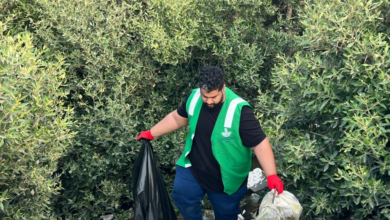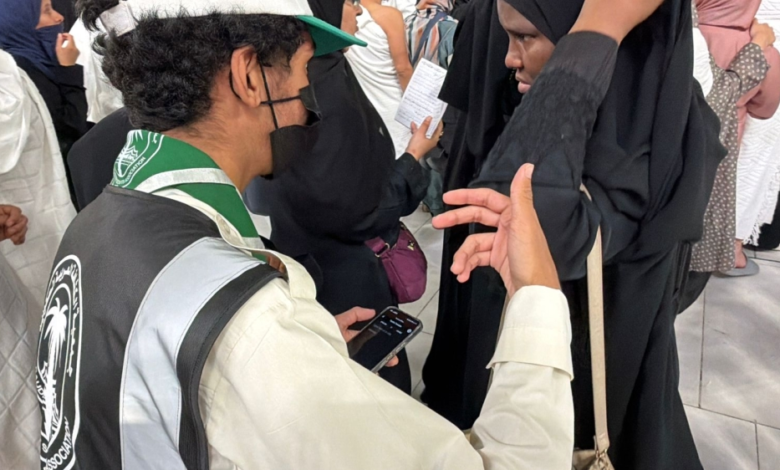

في مشهد يجسد أسمى معاني الإنسانية وحسن الوفادة، سخر الكشاف السعودي الشاب «خالد المدني» التقنيات الحديثة وتطبيقات الهواتف الذكية لكسر حاجز اللغة مع ضيوف الرحمن في المسجد الحرام. وقد نجح هذا الشاب الطموح في تحويل تجربة شخصية قاسية تعرض لها سابقاً إلى مبادرة تطوعية نوعية تهدف إلى تسهيل أداء المناسك للمعتمرين والزوار من مختلف الجنسيات، مقدماً نموذجاً مشرفاً للشباب السعودي المعطاء.
من رحم المعاناة تولد المبادرات
جاءت هذه المبادرة الإنسانية كثمرة لموقف صعب عاشه «المدني» البالغ من العمر 18 عاماً، حين وجد نفسه تائهاً داخل أحد المطارات الدولية وهو يواجه عائقاً لغوياً منعه من التواصل وطلب المساعدة. تلك اللحظات العصيبة التي عاشها بعيداً عن وطنه ولدت لديه قناعة راسخة بأن اللغة هي المفتاح الأساسي لمد جسور العون والمساعدة للبشر. وبدلاً من أن تبقى تلك الذكرى مجرد موقف عابر، حولها الشاب إلى دافع قوي للاستعانة بتطبيقات الترجمة الفورية لضمان عودة التائهين إلى ذويهم سالمين، ولإرشاد السائلين في أطهر بقاع الأرض.
الكشافة السعودية.. تاريخ عريق من العطاء
لا تعد هذه المبادرة الفردية حدثاً معزولاً، بل هي امتداد لتاريخ طويل وعريق لجمعية الكشافة العربية السعودية التي دأبت منذ عقود على تسخير طاقات الشباب لخدمة الحجاج والمعتمرين. وتلعب الكشافة دوراً محورياً في المساندة الميدانية للجهات الحكومية في الحرمين الشريفين، حيث ينتشر آلاف الكشافة والجوالة في المواسم الدينية لتقديم خدمات الإرشاد والتنظيم. وتتكامل هذه الجهود مع مستهدفات رؤية المملكة 2030 التي تطمح للوصول إلى مليون متطوع، مع التركيز على تجويد الخدمات المقدمة لضيوف الرحمن وعكس الصورة المشرقة عن ثقافة المملكة المضيافة.
حلقة وصل تقنية بلمسة إنسانية
مع التحاقه بمعسكرات الخدمة العامة التابعة للكشافة في مكة المكرمة، جهز المتطوع الشاب هاتفه الذكي بحزمة من أكثر اللغات العالمية انتشاراً لخدمة الزوار غير الناطقين بالعربية. وقد انطلقت الشرارة الميدانية للمشروع بدعم مباشر وتشجيع من القائد الكشفي الدكتور إسماعيل وتره، الذي احتضن الفكرة وحفز الشاب على تطوير أساليب التواصل المباشر مع الحشود، مما يعكس أهمية دور القيادات الكشفية في صقل مواهب الشباب وتوجيهها نحو الابتكار في العمل التطوعي.
أثر المبادرة وتطلعات المستقبل
نجح الكشاف الطموح خلال أيام معدودة في التحول إلى حلقة وصل حيوية تساند المعتمرين القادمين من دول مثل تركيا، أوزبكستان، كازاخستان، الهند، باكستان، وبنغلاديش، ليرشدهم داخل أروقة الحرم وساحاته. واستطاع بابتسامته وترجمته الفورية تغيير الصورة النمطية لدى الزوار، ملبياً احتياجاتهم بدقة، ورافضاً قبول أي هدايا عينية، مكتفياً بصادق دعواتهم التي تمنحه السعادة والرضا.
ويطمح «المدني» اليوم لتطوير مهاراته اللغوية أكاديمياً ليصبح مترجماً محترفاً في المستقبل، مؤكداً أن الكلمة الطيبة بلغة المعتمر الأم تمثل أسمى آيات الضيافة السعودية المشرقة للعالم، وتساهم في إثراء التجربة الدينية للزوار وتعميق أثرها الروحاني.