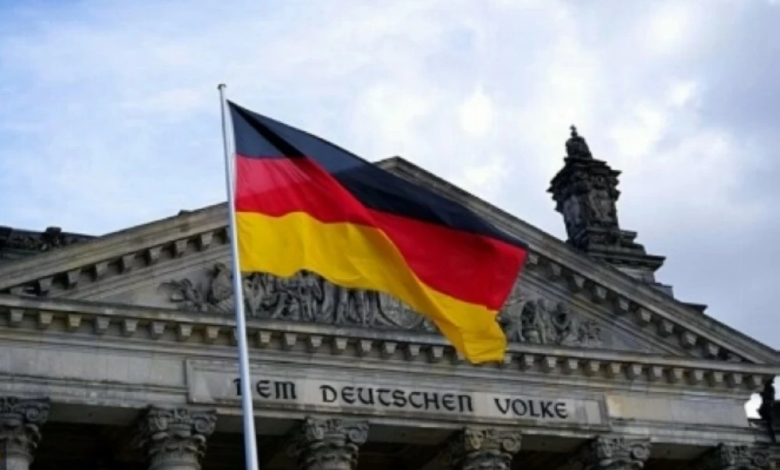

كشفت بيانات حديثة صادرة عن الجمارك الألمانية عن واقع مقلق في سوق العمل بأكبر اقتصاد في أوروبا، حيث أظهرت الأرقام أن آلافاً من أصحاب العمل لا يزالون يتحايلون على القوانين الملزمة بالحد الأدنى للأجور. وتأتي هذه الكشوفات في وقت تسعى فيه الحكومة الألمانية لضمان العدالة الاجتماعية وحماية حقوق العمال في ظل التحديات الاقتصادية المتزايدة.
حقائق صادمة من الجمارك الألمانية
أوضحت وزارة المالية الألمانية، في رد رسمي على طلب إحاطة من الكتلة البرلمانية لحزب «اليسار»، أن وحدة الرقابة المالية لمكافحة العمل غير القانوني (FKS) التابعة للجمارك قد نفذت نشاطاً مكثفاً خلال عام 2025. حيث أجرت الوحدة ما مجموعه 25,765 عملية تفتيش استهدفت أصحاب العمل في مختلف الولايات الألمانية. وأسفرت هذه الحملات عن فتح إجراءات تحقيقه في 6,121 حالة، وذلك لوجود شبهات قوية بانتهاك قانون الحد الأدنى للأجور.
وتتنوع أساليب التحايل التي رصدتها السلطات، حيث لا يقتصر الأمر على دفع أجور نقدية أقل من المعدل القانوني فحسب، بل يمتد ليشمل التلاعب في سجلات الدوام، وفرض ساعات عمل إضافية غير مدفوعة الأجر، أو عدم توثيق ساعات العمل الفعلية، مما يحرم العمال من مستحقاتهم المالية والاجتماعية.
السياق التاريخي والأهمية الاقتصادية
يُعد قانون الحد الأدنى للأجور في ألمانيا (Mindestlohn)، الذي دخل حيز التنفيذ لأول مرة في عام 2015، أحد أهم الركائز في سياسة العمل الألمانية الحديثة. جاء هذا القانون لإنهاء حقبة طويلة من الاعتماد الكلي على المفاوضات الجماعية، بهدف حماية العمال ذوي الدخل المنخفض ومنع «الإغراق الاجتماعي». ومع ذلك، فإن الانتهاكات المستمرة تشكل تهديداً ليس فقط للعمال، بل للاقتصاد ككل، حيث تضر بالمنافسة العادلة؛ إذ تستفيد الشركات المخالفة من تكاليف تشغيل أقل مقارنة بالشركات الملتزمة بالقانون، فضلاً عن الخسائر التي تتكبدها صناديق الضمان الاجتماعي والضرائب.
انتقادات سياسية ومطالب بتوسيع الرقابة
أثارت هذه الأرقام انتقادات حادة من قبل المعارضة، حيث صرح جيم إينجه، النائب البرلماني عن حزب «اليسار»، بأن الإجراءات الحالية غير كافية لردع المخالفين. وقال إينجه: «في المتوسط، يتم كشف انتهاك للحد الأدنى للأجور في نحو 25% من عمليات التفتيش»، واصفاً هذه النسبة بالمرتفعة والمقلقة.
واستند النائب إلى تقديرات مبنية على استطلاعات للموظفين وردت في أحدث تقرير للجنة الحد الأدنى للأجور، والتي تشير إلى أن ما يصل إلى 2.5 مليون شخص في ألمانيا قد يكونون ضحايا للحرمان من الحد الأدنى القانوني للأجر. وطالب إينجه بتوسيع واضح وشامل لعمليات التفتيش، مشدداً على ضرورة رفد وحدة الرقابة المالية بأعداد إضافية من الموظفين لتتمكن من تغطية سوق العمل بشكل أكثر فعالية، خاصة أن معدلات التفتيش في عام 2025 ظلت قريبة من مستويات عام 2024 دون زيادة ملحوظة.
القطاعات الأكثر تضرراً
وفقاً لبيانات وزارة المالية، تتركز الانتهاكات في قطاعات محددة تعتمد بكثافة على العمالة. وقد تصدر قطاع الضيافة والفنادق القائمة بنحو 2,500 إجراء تحقيق. كما سجلت قطاعات أخرى أرقاماً مرتفعة تجاوزت 500 إجراء لكل منها، وشملت:
- شركات النقل والخدمات اللوجستية.
- شركات البناء والتشييد.
- صالونات تصفيف الشعر والتجميل.
كما رصدت الجمارك مخالفات عديدة في قطاع سيارات الأجرة، ومحال بيع المشروبات، وشركات الأمن والحراسة، وهي قطاعات غالباً ما تشهد معدلات دوران عمالة عالية وصعوبة في الرقابة الدقيقة.
تأثير رفع الحد الأدنى للأجور
تجدر الإشارة إلى أن الحد الأدنى للأجور قد شهد زيادة اعتباراً من الأول من يناير الماضي، حيث ارتفع من 12.82 يورو إلى 13.90 يورو للساعة. وبحسب مكتب الإحصاء الاتحادي، فإن هذه الزيادة أثرت بشكل مباشر على 4.8 مليون وظيفة في ألمانيا. وهذا يعني أن عمليات التفتيش الحالية التي تجريها الجمارك، رغم أهميتها، لا تغطي سوى جزء يسير جداً من الشركات والعمال المعنيين، مما يترك فجوة كبيرة قد يستغلها بعض أصحاب العمل للتهرب من التزاماتهم القانونية.